

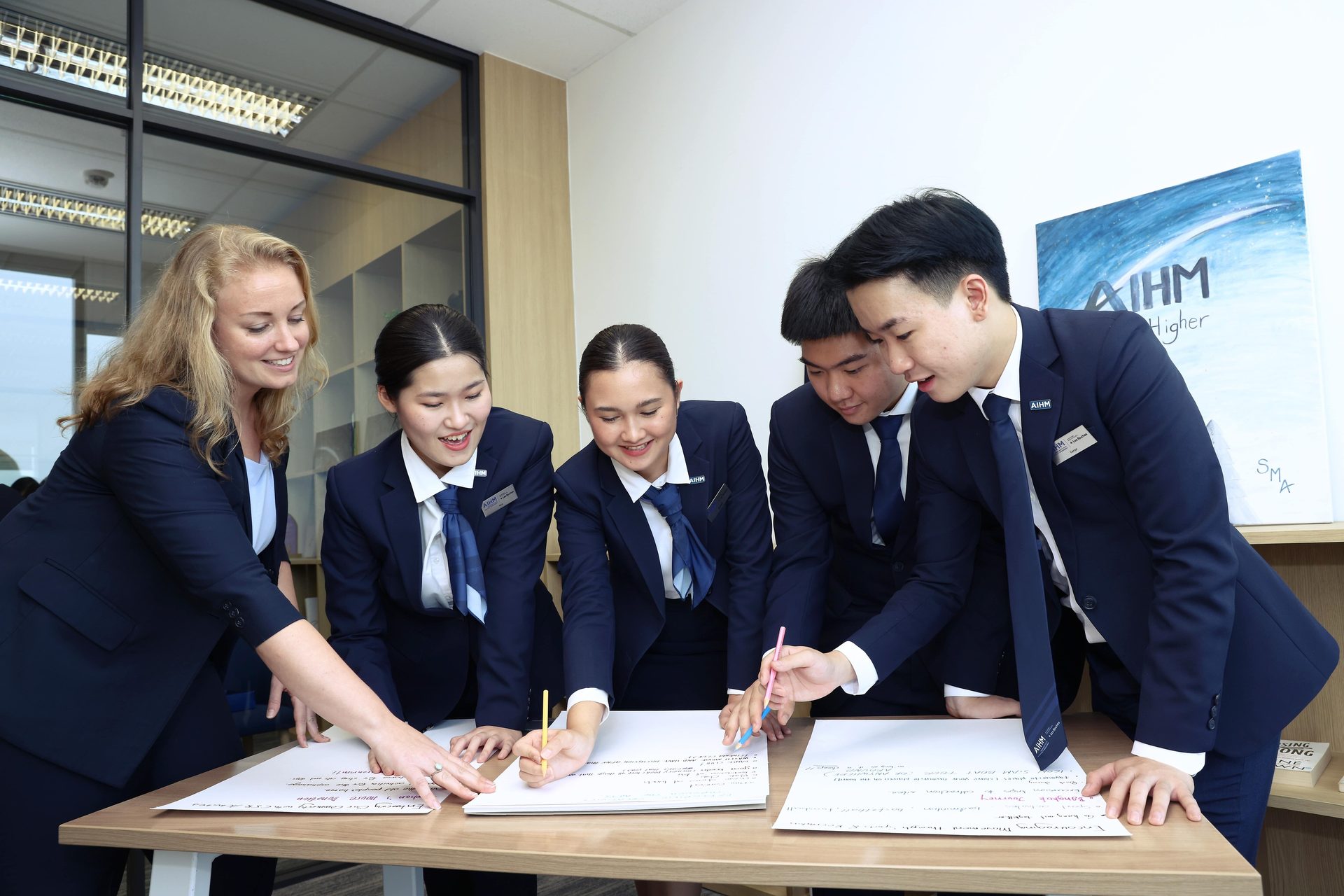
A day in the life of an AIHM student

Create the next engineering breakthrough

At the University of Alberta's Department of Chemical and Materials Engineering (CME), your research can help solve some of today's biggest global challenges.
You can design smart, tiny materials to target cancer cells directly and help the body heal, or push the boundaries of 3D printing, advanced plastics, and flexible tech for electronics and soft robotics. Or study how liquids interact with surfaces to improve how we extract resources like oil sands and critical minerals, while creating stronger materials that resist rust and wear.
These are only a few of the many research pathways available at one of North America's leading research-intensive departments.
45,000
hospitality professionals in the Minor Hotels global network
560+
Minor Hotels properties worldwide, where graduates have preferred employer status
2
mandatory full-semester internships at Minor Hotels properties or other leading hotel brands around the world
100%
internship placement rate
#2
in Eastern Europe (2026 QS European rankings)
75+
full-time programmes available
#1
Canada for Chemical Engineering and #3 (tied) for Materials Science & Engineering in citation impact (Shanghai Ranking – Academic Ranking of World Universities).
#1
university in Hungary (2025 Academic Ranking of World Universities)
#3–4
in Canada for Chemical Engineering (QS Rankings by Subject 2026).
#1
in Canada for Chemical Engineering and #3 (tied) for Materials Science & Engineering in citation impact (Shanghai Ranking – Academic Ranking of World Universities).
#3–4
in Canada for Chemical Engineering (QS Rankings by Subject 2026).
#2
globally for citation impact for Chemical Process Control.
3
Royal Society of Canada fellows, 8 Canadian Academy of Engineering fellows, and 10 major Professional Society fellows.
26%
of faculty are women.
100%
crown of accreditations: AACSB, AMBA, and EQUIS
1 or 2
years options designed around your schedule
90%
of students find a job within six months
Pioneering
professors
Career consultant available
Engineering starts with experience
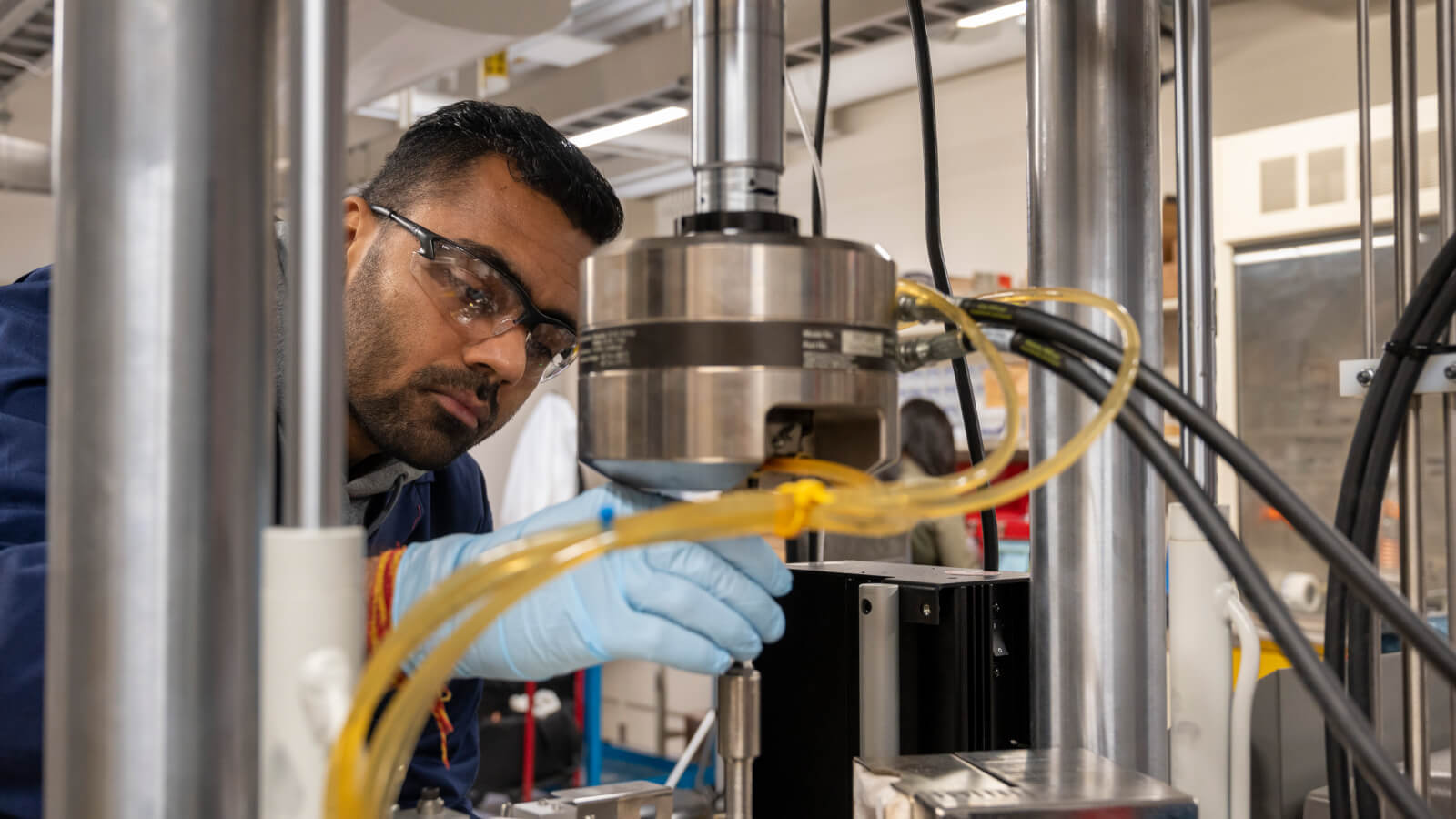
There's no better way to understand engineering than by doing it. That's why experiential learning is a big part of life at CME. Students work in purpose-built facilities like the Coffee in Chemical Engineering and Chocolate in Materials Engineering, as well as the Smart Plant Automation labs, with new Scanning Electron Microscopy (SEM) and BioTech Fermentation labs coming soon.
Here's how three professors make experiential learning part of their teaching:
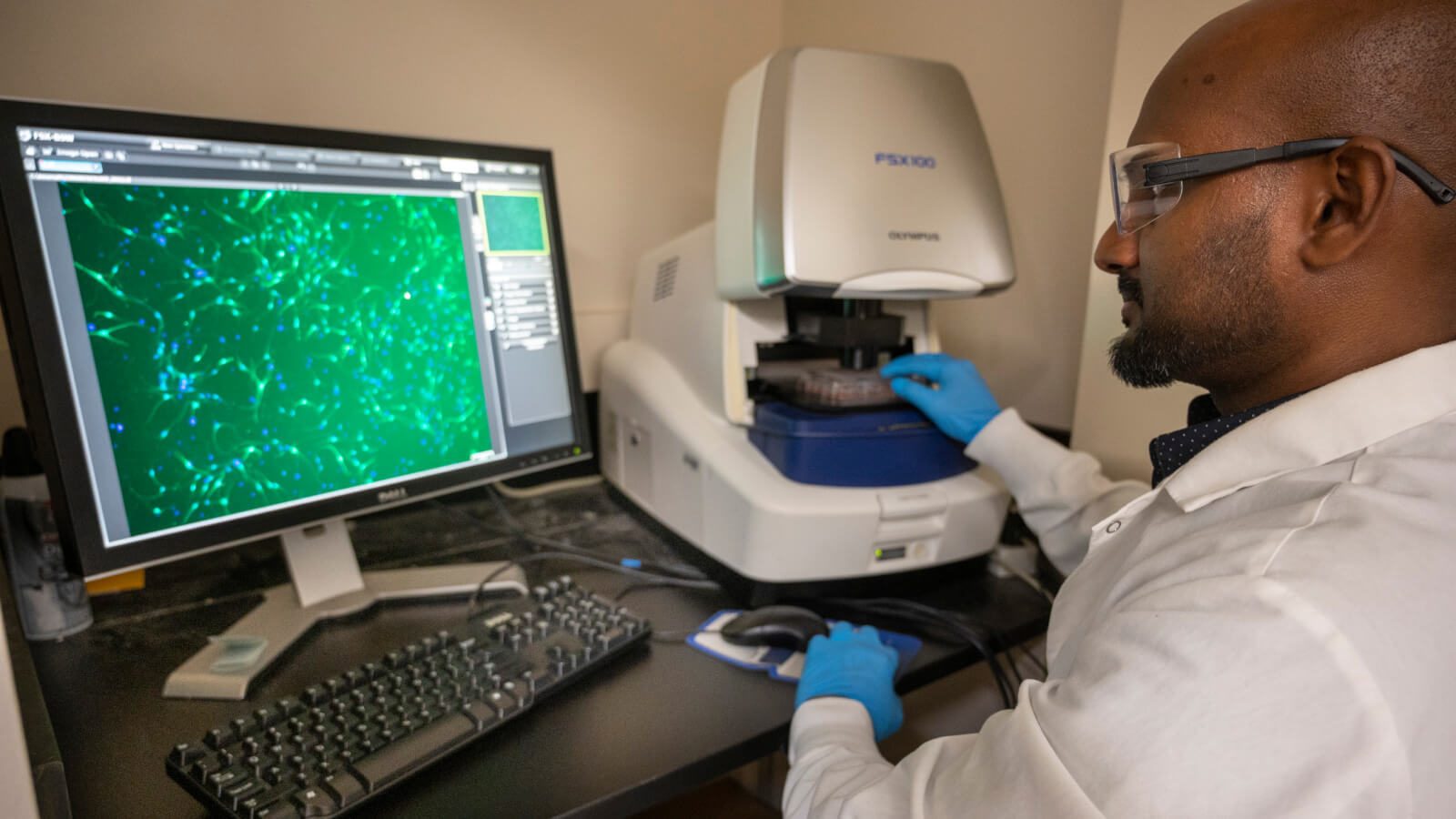
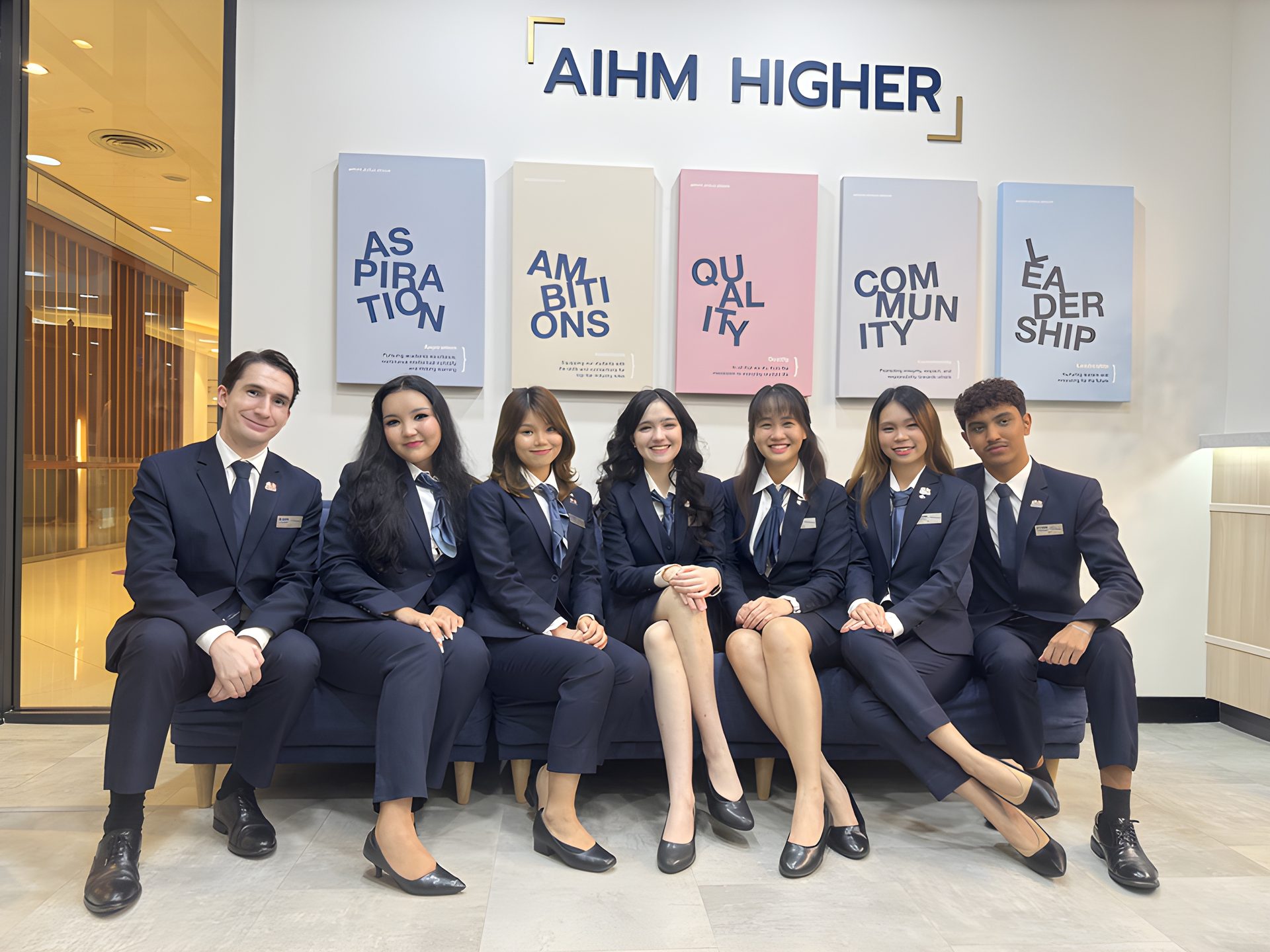
One department. Seemingly countless opportunities.
Research at CME is encouraged for all, no matter which programme you choose. As an undergraduate, you'll study alongside approximately 650 students in CEAB (Canadian Engineering Accreditation Board)-accredited BSc programmes. You can choose from 10 study options, including traditional CPC, ChE, and MatE paths, as well as new tracks in Clean Energy and Bioprocessing. If you're continuing into graduate studies, you'll join a close-knit community of around 250 MSc, MEng, and PhD students, with more than half pursuing doctoral studies.

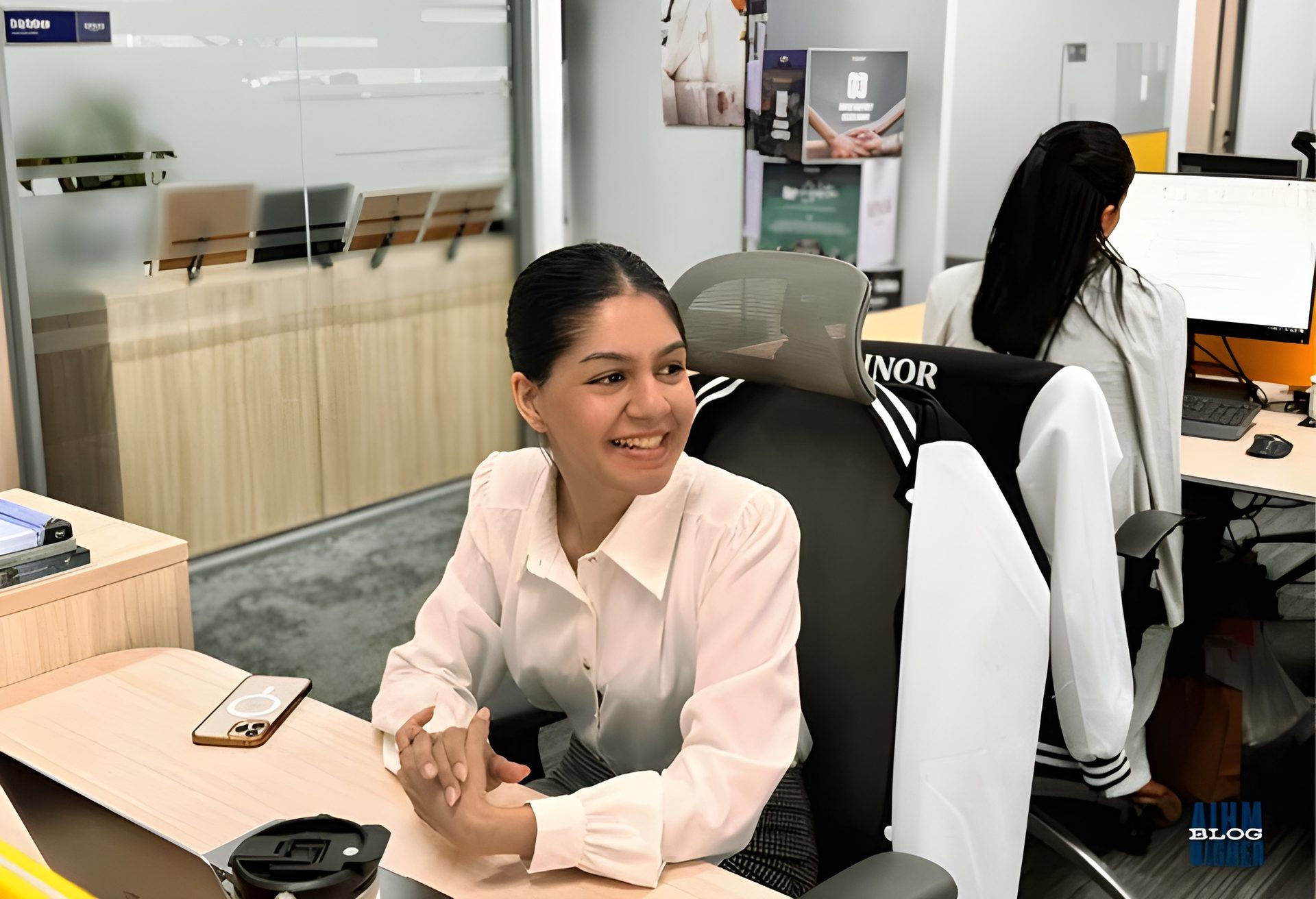
A day in the life of an AIHM student
Emy starts her day bright and early. Waking up at 7:30 a.m. gives her enough time to get ready, plan her schedule, and ease into the day. Once she arrives at school, her first stop is the coffee station before class. She usually gets there 30 to 50 minutes early to set up her laptop and check the day's agenda.
Lunch break allows Emy to step outside and enjoy a meal with friends. When she’s not in class, she likes to take breaks outside the building to refresh her mind.
"Occasionally, I use the lobby to meet up with classmates and prepare for presentations, but for the most part, we stay in our classroom throughout the day," she says.

Hear from the lecturers
Professor Larry D Unsworth
Professor Zukui Li
Professor Jason Tam
Choose a professor to learn more.

Classes typically finish around 3:00 PM, though sometimes they run a little later, until 4:00 p.m. If a group project or presentation is coming up, Emy and her classmates stay back to work on it. Otherwise, she heads home to complete her assignments before engaging in extracurricular activities.
Physical activity is a big part of Emy’s routine. Almost every day, she runs in the park or attends a Muay Thai session at 7:00 p.m.
Wednesdays at AIHM are dedicated to enrichment activities, where students can join clubs like the Arts Club, Kitchen Club, Badminton Club, or Mixology Club. It’s a great way to explore new interests and connect with students from different years.
“I joined the Badminton Club and Mixology Club," she says. "It’s a fun way to unwind while being part of the school community."

Emy prefers to finish all her work before her workout so that when she returns home around 9:00 p.m. or 9:30 p.m., she can relax and unwind. A little downtime helps her recharge before another busy day begins.

Advance your engineering career with the University of Alberta’s Department of Chemical and Materials Engineering.




Follow the Asian Institute of Hospitality Management on