
Professor Unsworth teaches CH E 243 - Engineering Thermodynamics, CH E 318 - Mass Transfer, and CH E 484 - Introduction to Biochemical Engineering. For him, experiential learning is important, as “today's chemical engineers frequently work alongside microbiologists, chemists, data scientists, physicians, and environmental scientists,” he shares. “Experiential learning helps students become comfortable working across disciplinary boundaries while developing the communication and teamwork skills that industry increasingly expects.”
In the planned BioTech Fermentation laboratory, you’ll gain exposure to complete engineering systems, including biological characterisation, biological growth, reactor operation, process monitoring, data analysis, downstream processing, and process optimisation. “That type of integrated experience mirrors what graduates will encounter in biotechnology, pharmaceutical manufacturing, food processing, environmental engineering, and the emerging bioeconomy,” he explains.
“And by working directly with modern bioprocess equipment, students gain the confidence to apply their engineering knowledge in unfamiliar situations and to contribute meaningfully from the beginning of their careers,” he says.
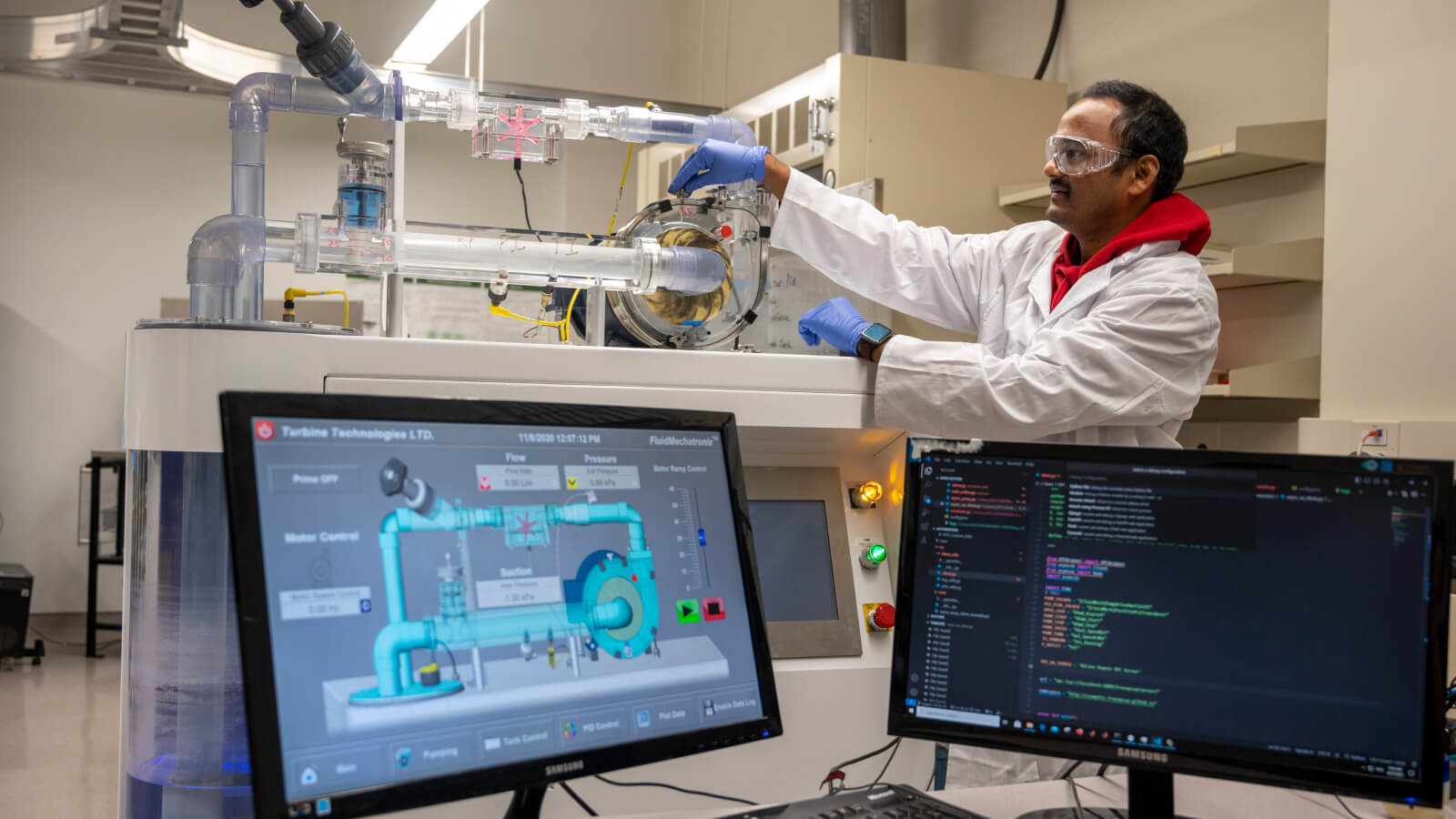
Hands-on learning here means you’ll learn skills that are essential in industrial, research, and multidisciplinary engineering environments. These include effective documentation, communication, and collaboration.