

Where an engineering education at Swansea University can take you


4 creative programmes nurturing transferable skills

A faster battery still fails if it overheats. A semiconductor still underperforms if materials cannot manage heat efficiently at scale. Quantum and photonic systems still depend on materials stable enough to function under highly specific conditions.
In materials science, performance is measured by conductivity, durability, efficiency, and how systems behave under pressure.
At the National University of Singapore (NUS), those questions drive the Department of Materials Science and Engineering (MSE). Ranked among the world’s leading departments in the field, NUS MSE works across semiconductors, sustainability, electronics, energy systems, and bioengineering — sectors where advances in materials increasingly decide what reaches industry at scale.
That direction runs through the department’s research ecosystem. In a special issue of Advanced Materials marking NUS’s 120th anniversary, faculty contributions explored catalytic materials, neuromorphic sensing, green computing, functional biomaterials, and next-generation energy systems.
Materials Science and Engineering at the National University of Singapore
“NUS has recognised that materials are going to be very important in the near future from a purely academic point of view, but also from a societal impact point of view,” says Professor Barbaros Özyilmaz. “Many new device concepts and industries require huge advances in materials, and this is a great opportunity for groundbreaking discoveries, spin-offs and industry impact for the university.”
At the graduate level, the department offers multiple pathways into this work.
Designing what’s next:
30
years of excellence
#1
in Asia
#2
in the world
Why study at the Department of Materials Science and Engineering?
Our programmes
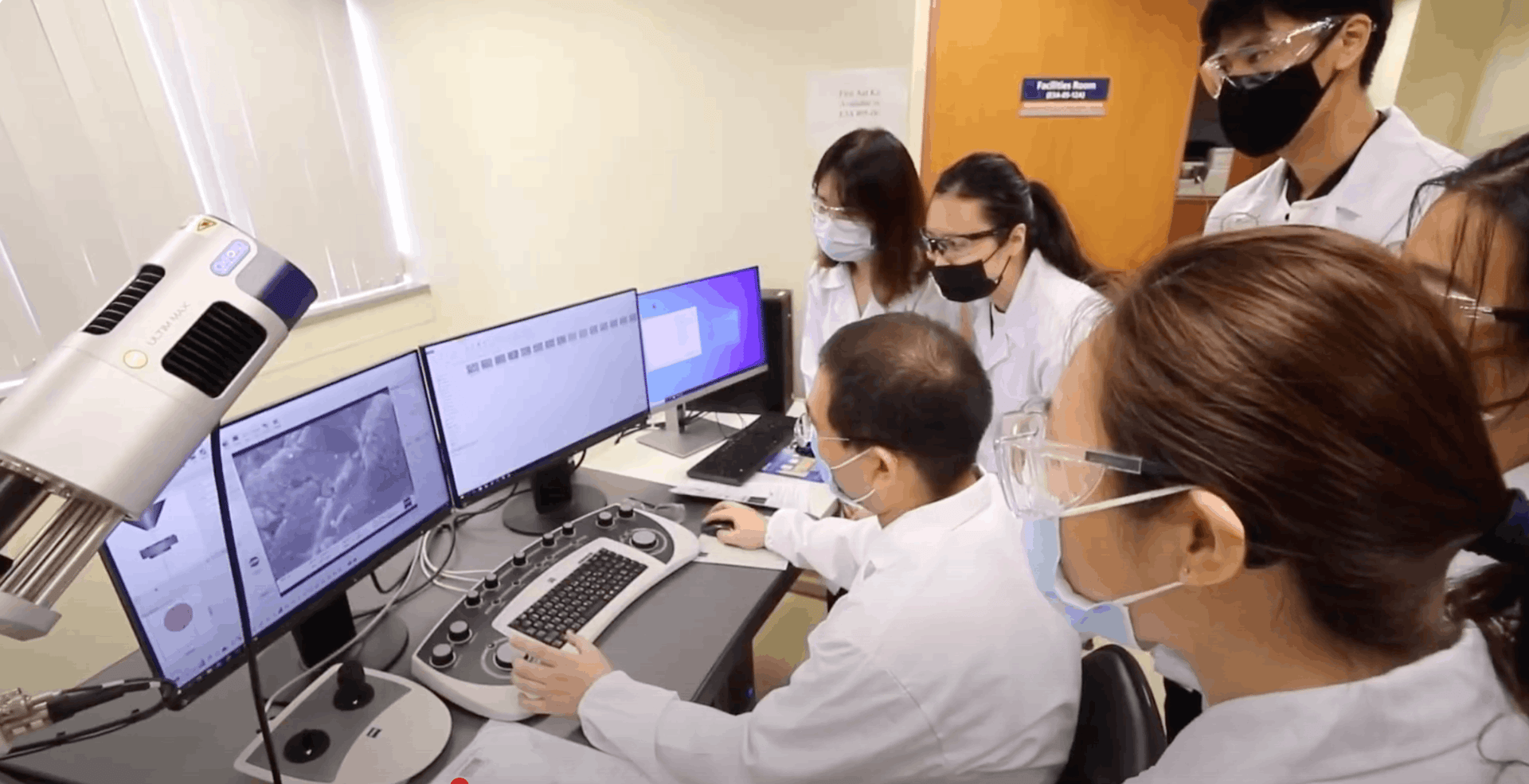
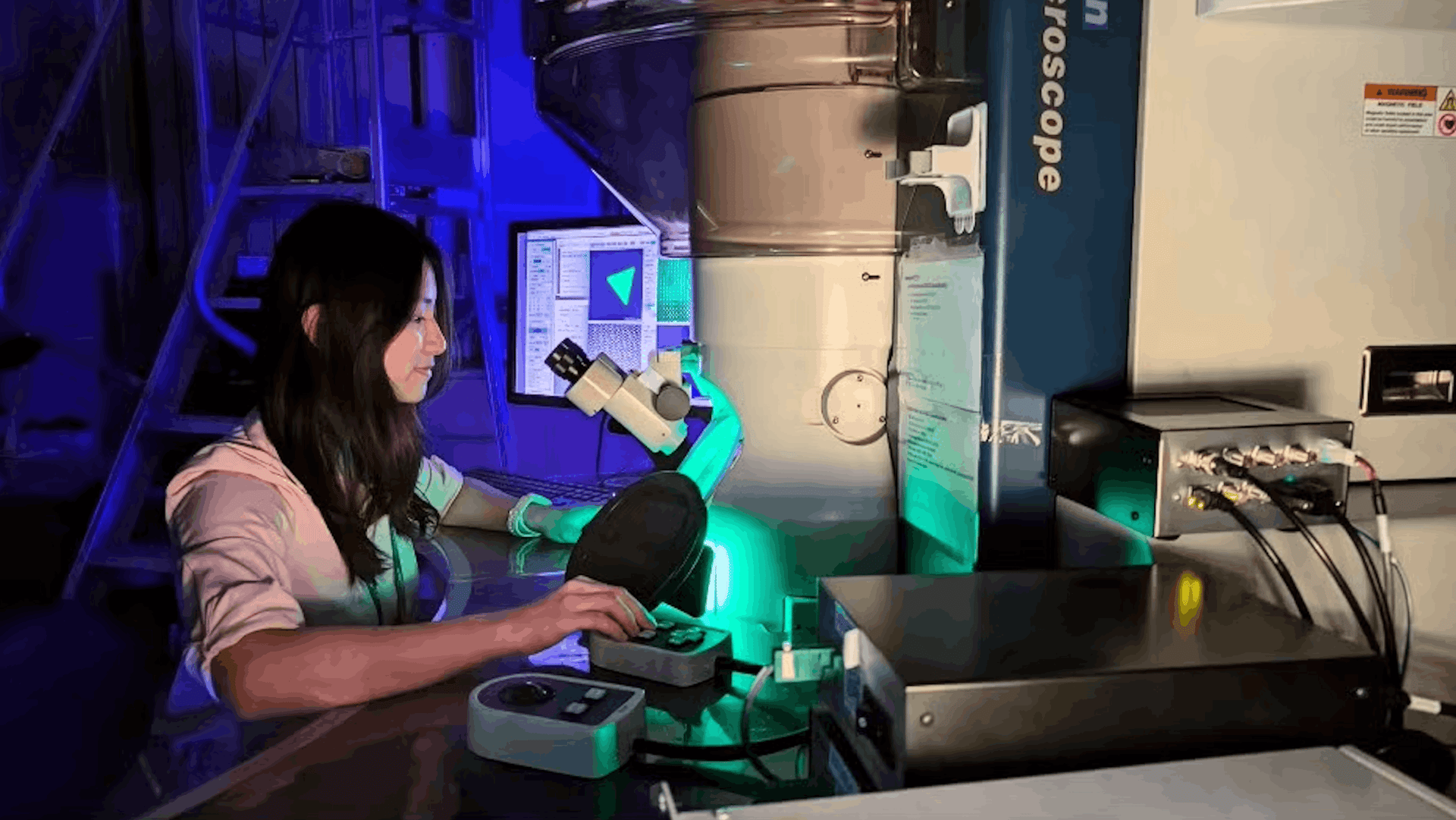
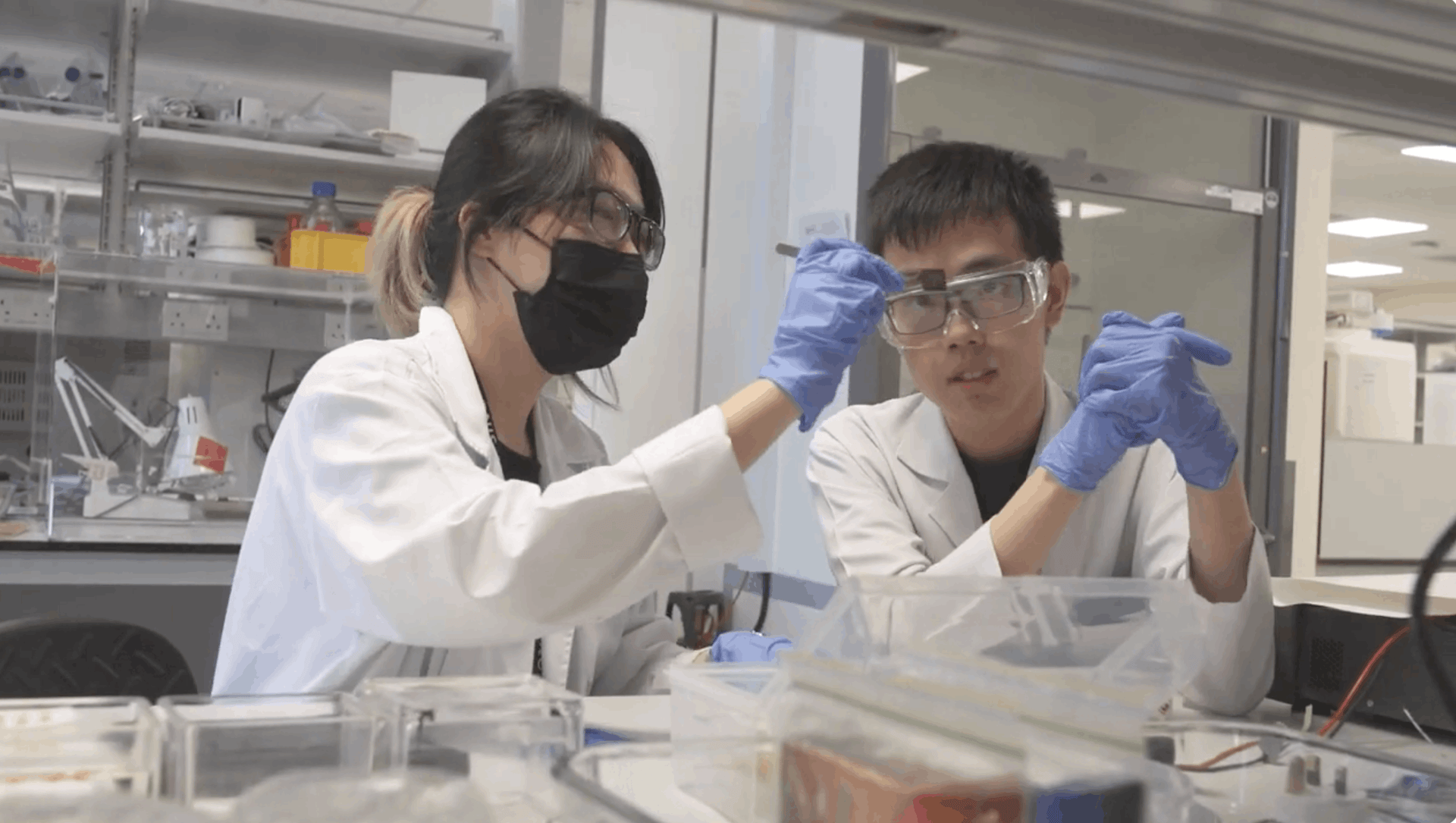
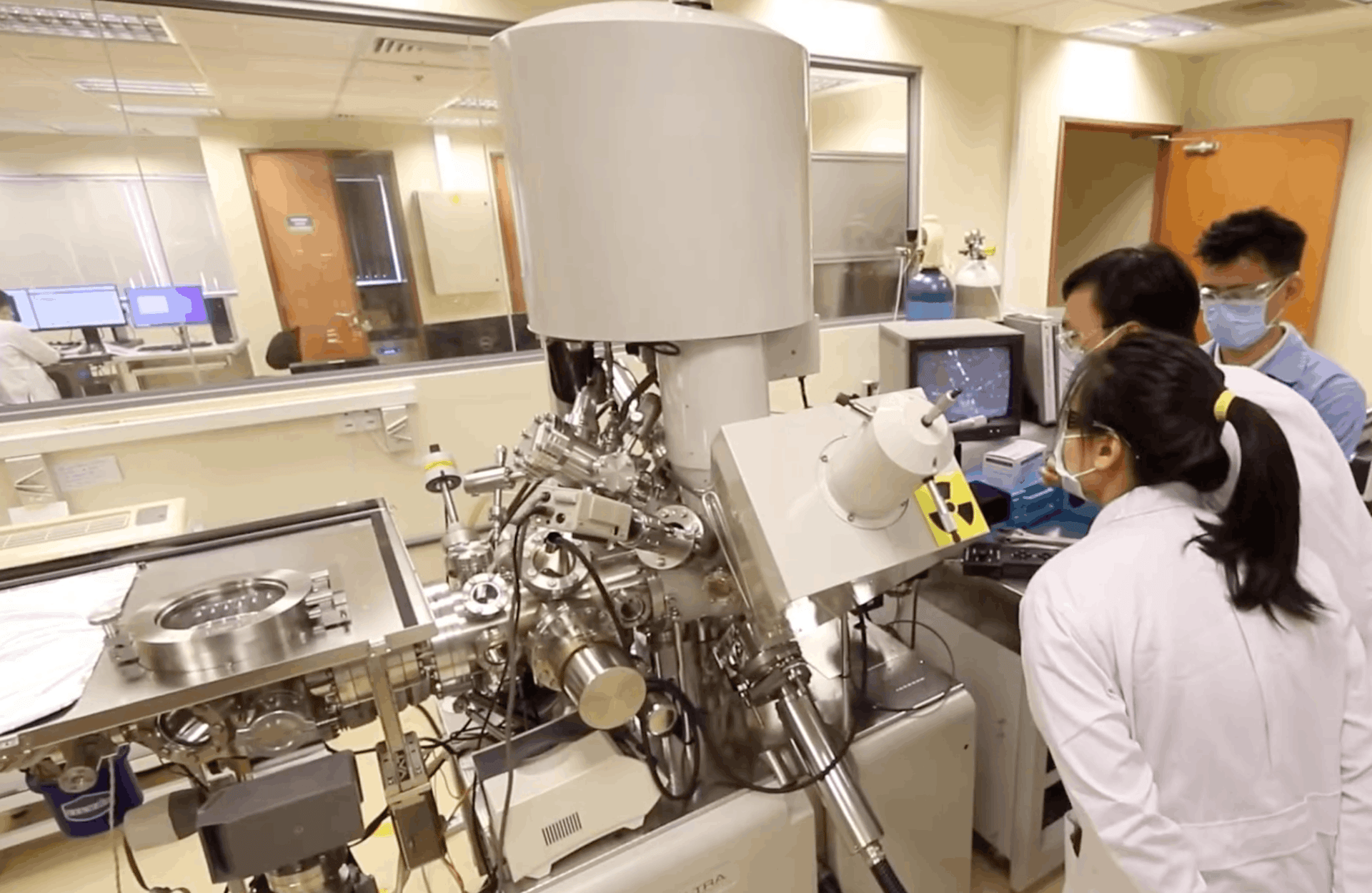
In materials science, understanding is built through iteration. At NUS, that process plays out in environments designed for it. Facilities such as the Applied Materials–NUS Advanced Materials Corporate Lab, NUS T11 Shared Facilities, the , and the CBIS Cryoelectron Microscope Facility unlock access to tools used to fabricate, image, and analyse materials at the nanoscale.
All programmes are experiential. For example, MSc in Materials Science and Engineering students move between stages of development. A concept modelled computationally is synthesised in the lab, then tested, measured, and refined. In some cases, that means working with two-dimensional materials like graphene, examining how slight changes in structure affect conductivity or stability. In others, it involves evaluating how a material performs under stress, temperature, or repeated cycling — conditions that determine whether it holds up outside the lab.
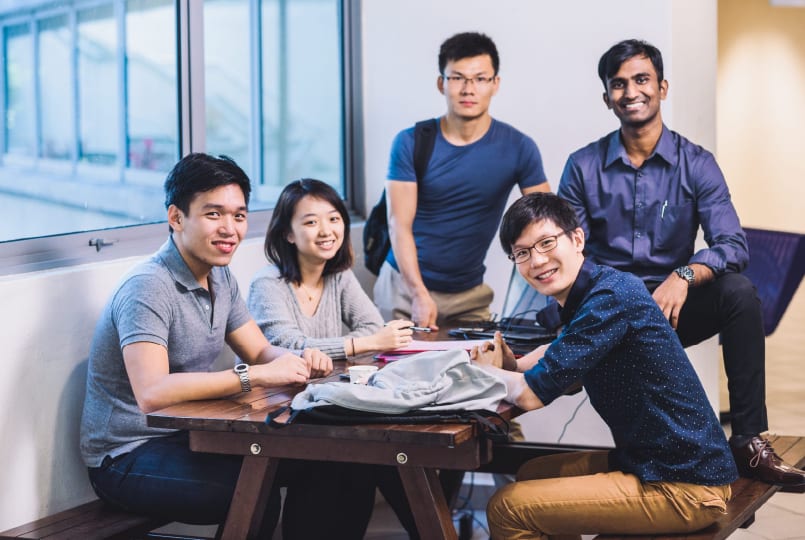
Today, that workflow is shifting.
“AI is transforming materials discovery, compressing years of experimentation into days,” says Provost's Chair Professor Shyue Ping Ong. “Our MSE graduates are equipped with machine learning, high-throughput computation, and data-driven design skills that industry demands, positioning them at the frontier of this revolution.”
Work begins at the bench
The Master of Economics is not static, and Associate Professor Zhang has been at the forefront of curriculum renewal. Recognising shifts in the global economy, she and her colleagues have introduced electives in data science, environmental economics, and intellectual property, alongside an internship course that connects theory with professional practice.
Since joining NUS in 2012, Dr. Denis Tkachenko has been a driving force behind the move in the Department of Economics towards data-driven learning. His flagship contribution to the Master of Economics is the course Machine Learning and Economic Forecasting.
Adapting to a changing world
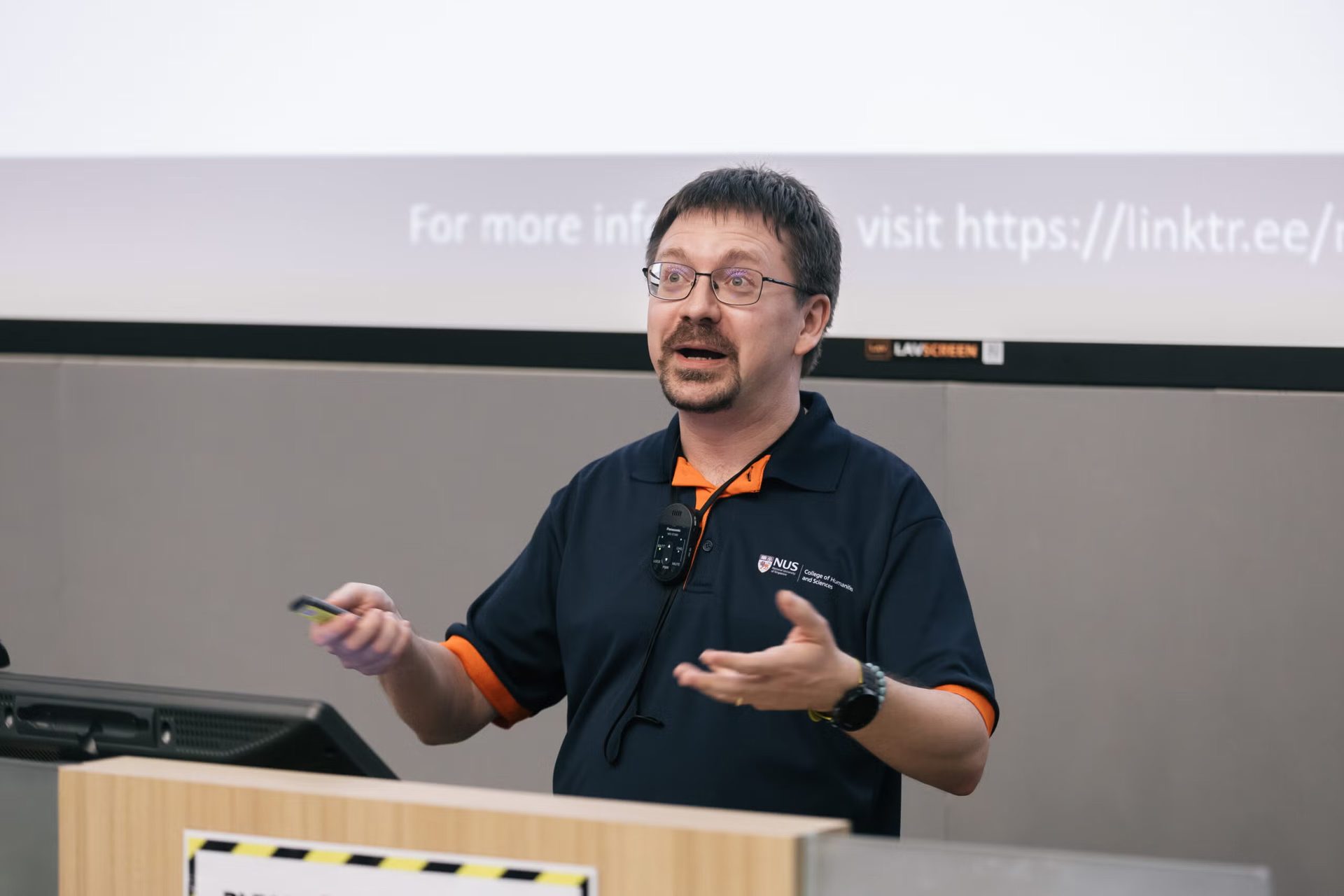
Introduced in 2020, the course equips students with machine learning techniques specifically tailored for time series data — the type of information very commonly found in economics and finance. Unlike standard machine learning courses that focus on static datasets, Dr. Tkachenko trains students to handle variables that evolve over time, from GDP growth to exchange rates.
Students start small, using “toy” datasets to grasp core concepts, before tackling full-scale projects with FRED-MD, a benchmark dataset containing hundreds of monthly economic series from the US Federal Reserve Bank of St. Louis. They learn to implement algorithms, test methods on real-world economic indicators, and evaluate which variables matter most. The course culminates in group projects where teams build forecasting models for datasets of their choice, submit all code and data, and present results.
“My course gives students the tools that are frequently expected of them in the current workplace. This is because a lot of jobs require students to forecast various aspects of the business. I provide them with a thorough understanding of how to apply (and when not to apply) machine learning algorithms for prediction, focusing particularly on time series data –– something that machine learning courses in computer science or statistics tend to ignore.”
- Dr. Denis Tkachenko
For Joel Sugiarto, returning to NUS after nearly three years in the semiconductor industry felt less like a reset and more like a continuation.
Having completed his undergraduate degree in Chemical Engineering here in 2022, he was already familiar with the university’s academic environment. What changed was his perspective on where materials science sits within industry.
“I believe many of the modern technological breakthroughs have been enabled by innovations in material science studies,” he says.
The ultimate next step
That realisation shaped his decision to pursue the MSc in Materials Science and Engineering. The programme gave him exposure to areas increasingly influencing sectors such as semiconductors, communications, and quantum technologies — including photonic systems, waveguides, and superconducting nanowire single-photon detectors. One module, focused on photonic devices, stood out immediately.
Coming from a different engineering background, the transition proved challenging initially. Yet Sugiarto credits the department’s teaching approach, particularly the clarity of lectures and accessibility of faculty, with helping him adapt quickly.
“The lecturers at MSE are really good at explaining the concepts in a detailed but simple way,” he says. “They are well-respected experts in their respective fields, and I can really feel their subject mastery.”
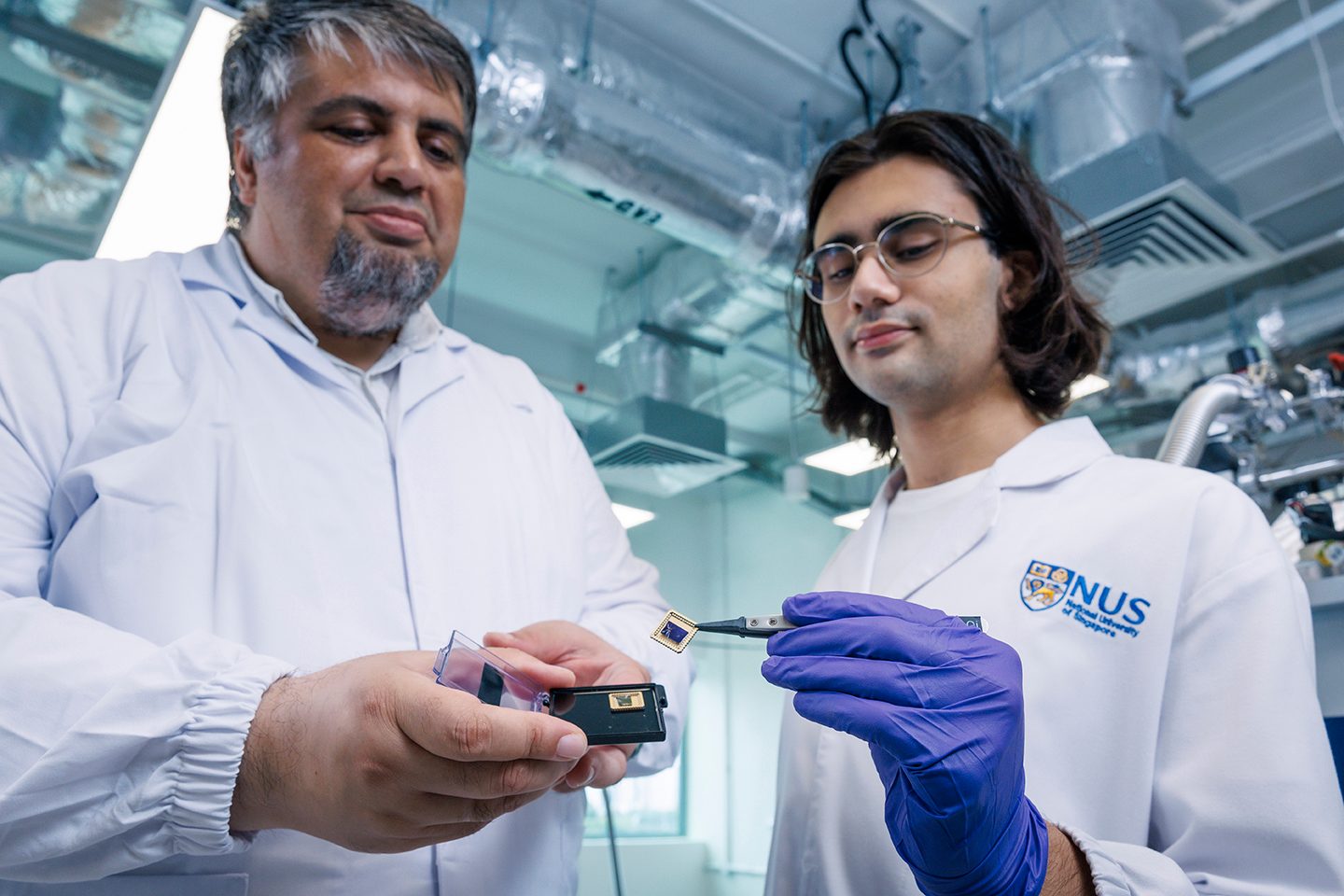
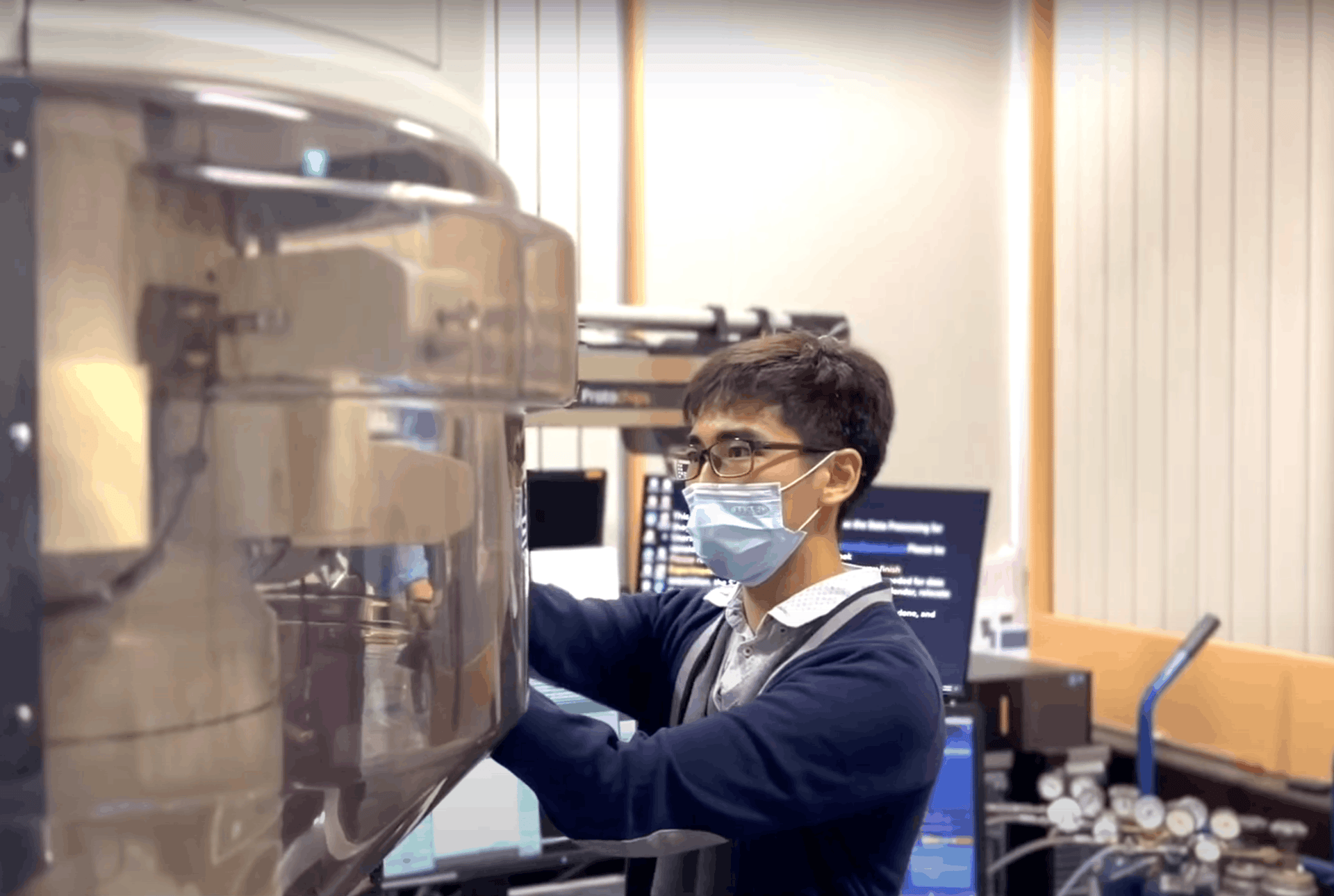
Materials science at NUS is closely tied to experimentation, modelling, fabrication, and analysis. Regardless of the programme you choose, you will work across a network of shared facilities that support research and teaching at the atomic and nanoscale. These include:
Learn in facilities built for discovery
- The Applied Materials–NUS Advanced Materials Corporate Lab
- NUS T11 Shared Facilities
- Institute for Functional Intelligent Materials
- The CBIS Cryoelectron Microscope Facility
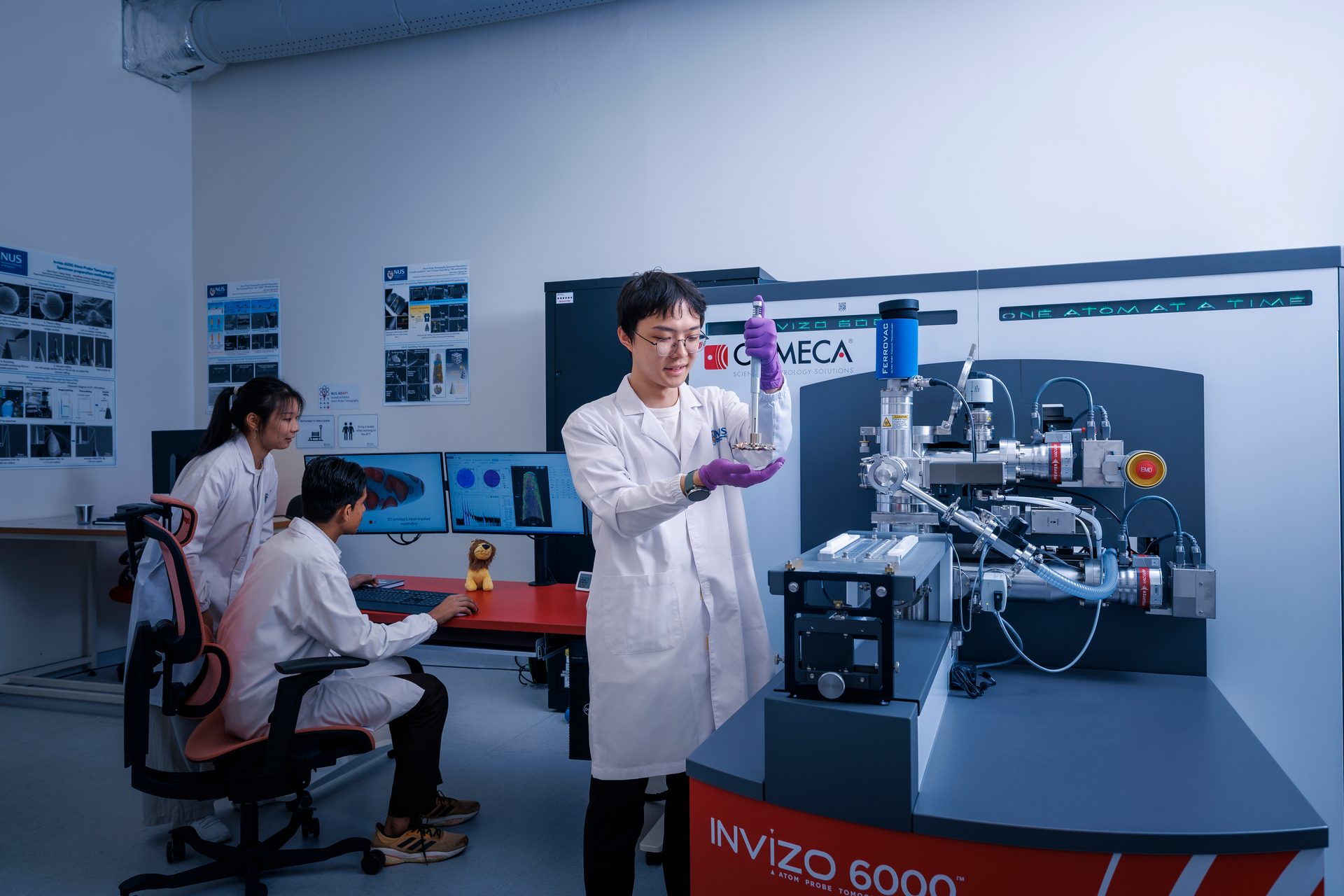
In materials science, understanding is built through iteration. At NUS, that process plays out in environments designed for it. Facilities such as the Applied Materials–NUS Advanced Materials Corporate Lab, NUS T11 Shared Facilities, the , and the CBIS Cryoelectron Microscope Facility unlock access to tools used to fabricate, image, and analyse materials at the nanoscale.
All programmes are experiential. For example, MSc in Materials Science and Engineering students move between stages of development. A concept modelled computationally is synthesised in the lab, then tested, measured, and refined. In some cases, that means working with two-dimensional materials like graphene, examining how slight changes in structure affect conductivity or stability. In others, it involves evaluating how a material performs under stress, temperature, or repeated cycling — conditions that determine whether it holds up outside the lab.
Today, that workflow is shifting.
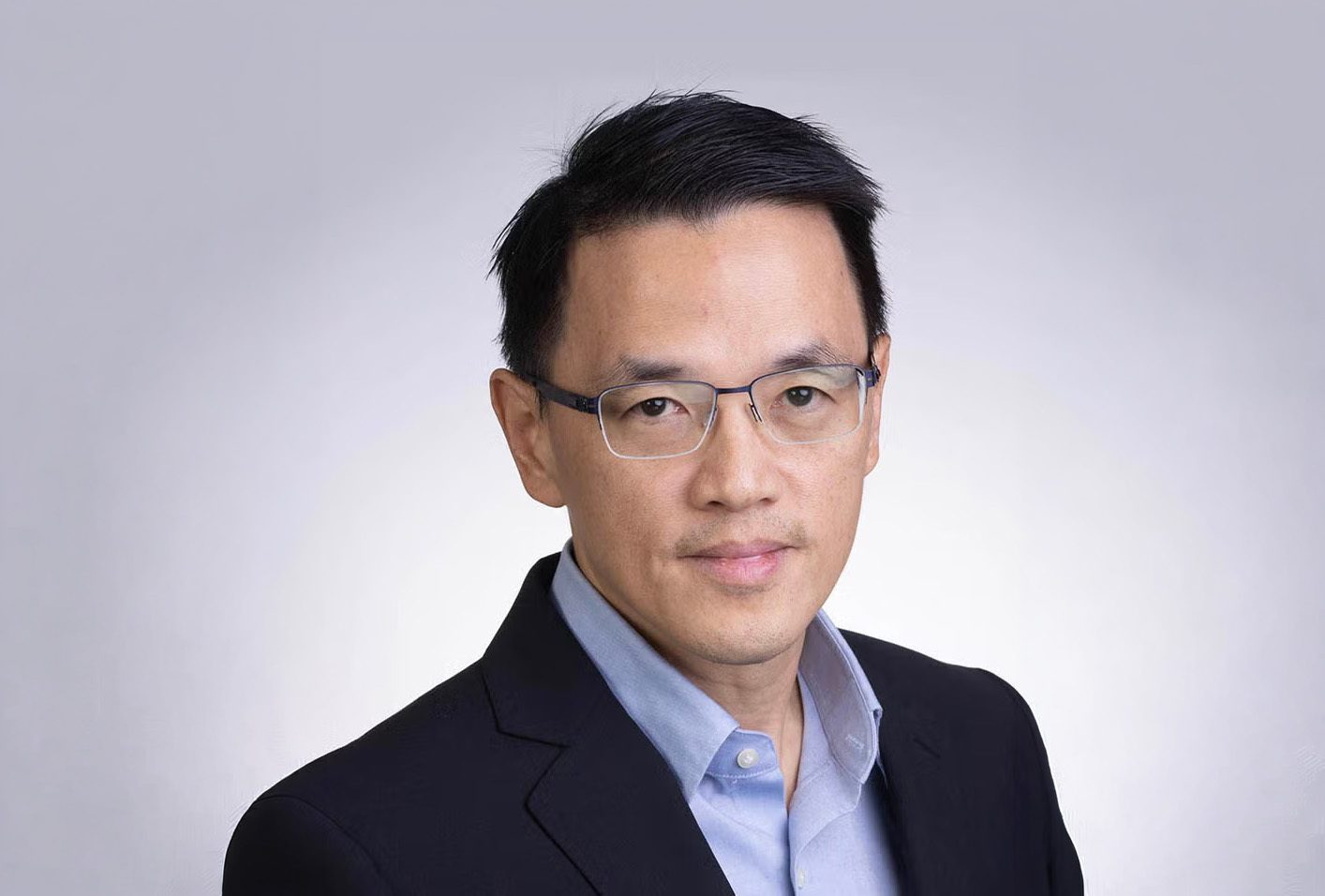
“AI is transforming materials discovery, compressing years of experimentation into days,” says Provost's Chair Professor Shyue Ping Ong. “Our MSE graduates are equipped with machine learning, high-throughput computation, and data-driven design skills that industry demands, positioning them at the frontier of this revolution.”
Work begins at the bench
Advancing your expertise at NUS means being based in one of Asia’s leading technology and manufacturing hubs. Singapore’s strengths in semiconductors, electronics, advanced manufacturing, and research keep you close to industries actively investing in materials innovation. That proximity shapes NUS’s research environment and its connections to industry.
Studying materials science and engineering in Singapore
Outside the classroom and laboratory, you will get to live in one of the world’s best-planned and most cosmopolitan cities. Having lived in Singapore for nearly eight years, Sugiarto points to the city’s transport system and convenience as part of what made returning to NUS an easy decision.
“NUS gives me both a competitive edge and a sense of familiarity,” he says. “I believe I’m getting the best of both worlds.”
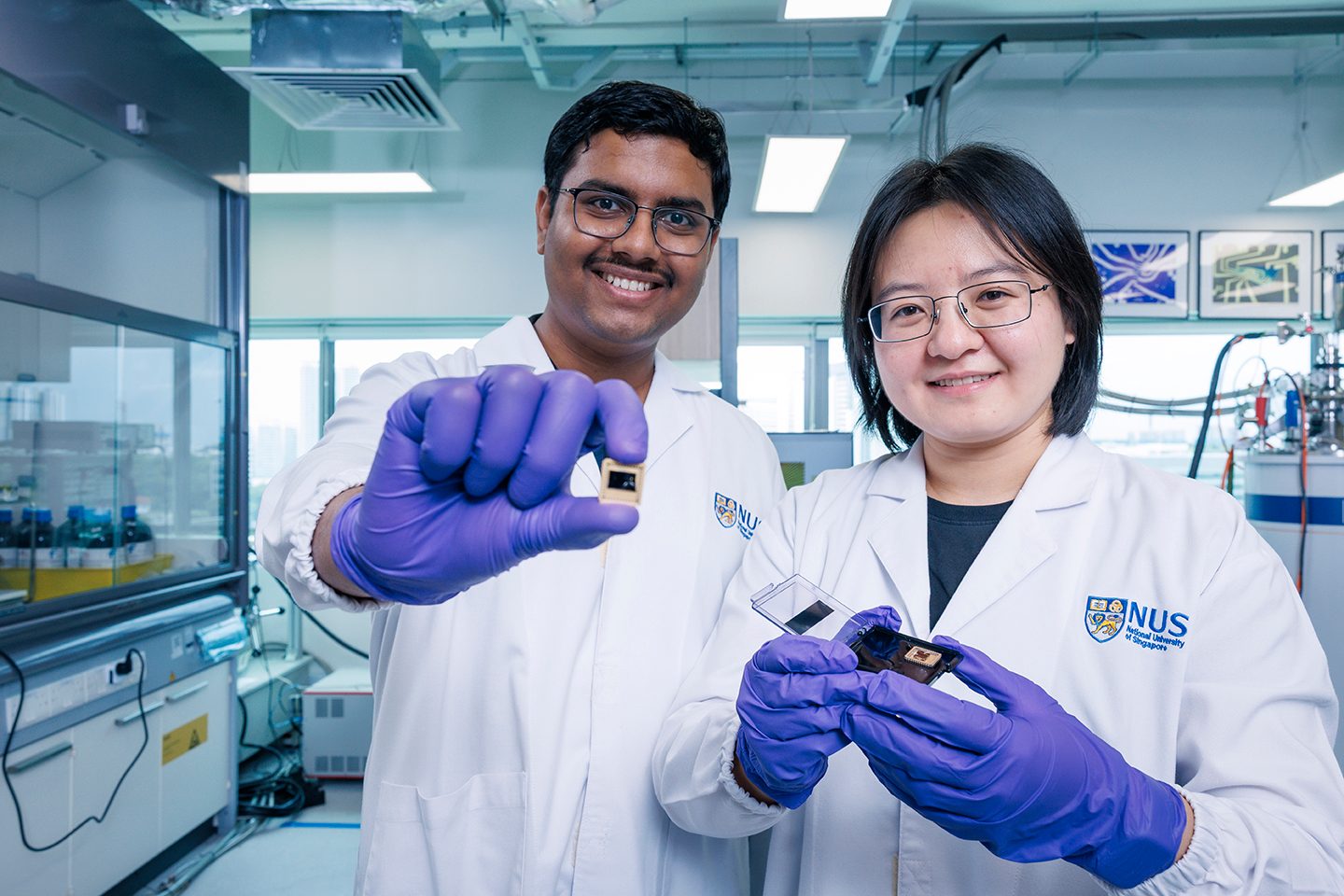
In some courses, MSc students can work in the lab for an entire year — an opportunity many use to build research portfolios for further study. “Many students are excellent and went on to do PhDs in NUS or other institutes,” Dr. He shares.
NUS’s commitment to evolving with both industry input and student feedback is another key pillar of the MSc. A recent revamp of the materials characterisation module, for instance, was directly informed by both groups


Dr. Wang also teaches a module that’s as experiential as it is foundational. Thermodynamics for Sustainability examines energy conversion through the lens of physical principles. It directly links to his lab’s research on electrified chemistry, a “globally unique research platform, established in Singapore.”
For him, bringing real-world context into the classroom is a top priority. “I take great pride in translating insights from my research into the classroom, enabling students to grasp complex physical principles through real-world applications,” he says. And each year, his lab opens its doors to MSc students, offering research projects in large-scale energy storage, recycling of waste battery materials, and on-demand hydrogen production.
Students can also apply knowledge in the Research Centre for Electrochemical Systems and Technologies (CREST), which was established by the Department of Materials Science and Engineering in 2023. Apart from solving urgent environmental and societal problems through translational research, CREST plays a major educational role. It provides MSc students with exposure, while fostering innovation and encouraging entrepreneurship in the field of electrochemical technologies
The department even maintains close ties with leading Agency for Science, Technology and Research (A*STAR) research institutes. “These experts offer cutting-edge research projects to MSc students, providing them with valuable exposure to the frontiers of materials science and engineering,” says Dr. Wang.
Hands-on research, real impact
“We recognised the need to strengthen students’ fundamental understanding –– not just theoretically, but in terms of hands-on application,” says Dr. He. “We restructured the module to include more focused background lectures and significantly expanded the practical components.”
In 2026, NUS will launch a dedicated MSc in Materials for Energy Innovation and Sustainability, replacing the current specialisation. Dr. He sees this as vital: “Sustainability is one of the most pressing — if not the most urgent — challenges humanity faces today,” he says.
By anchoring the topic within a standalone programme, students can go deeper into materials-centric solutions like hydrogen catalysts, high-performance batteries, photovoltaics, and lightweight transport materials.
New programme, deeper focus
This combination responds directly to demand. Surveys of previous cohorts, alongside curriculum analysis, were taken into account. What Dr. Wang and his team found was that topics related to Materials for Energy Innovation and Sustainability consistently attract the most student interest.
“The Curriculum Committee curated a comprehensive set of courses to help students develop a strong foundation in the energy and sustainability sectors,” explains Dr. Wang. “The curriculum incorporates the latest advancements, including data-driven approaches using artificial intelligence for energy materials development and breakthrough technologies in energy conversion and storage aimed at environmental sustainability.”
A world-changed education awaits at the Department of Materials Science and Engineering, National University of Singapore.