

who lead the future
Confidence, character, and creativity — these are pillars that Wake Forest University School of Law lives by in shaping its graduates to become the leaders of change. What started as a small establishing class of 12 students in 1894, Wake Forest Law has grown over 130 years into one of the most prestigiously recognized law schools in the US.
Advancing the cause of justice begins in classrooms that are diverse, equitable, and inclusive. Students from all around the world gather on Wake Forest Law’s campus in Winston-Salem, North Carolina, to engage in dynamic discussions, whether it’s in the Master of Laws (LLM), Juris Doctor (JD), or a semester exchange programme. Guiding them are renowned teacher-scholars whose work has had a profound impact on the global legal field, spanning industries such as business, intellectual property, the environment, healthcare, and more.
“What I constantly hear from employers is that from the very first day on the job, our graduates are fully prepared to contribute to the workplace. Our rigorous curriculum, experiential learning opportunities, and professional development resources allow us to train well-rounded lawyers.”
— Andrew Klein, Dean of Wake Forest Law
7:1
student-faculty ratio
30+
different countries
Alumni from
20+
student organisations
24
credit hours to complete the LLM
The Master of Laws (LLM) degree
If you’re an internationally trained lawyer looking to develop your expertise and advance your career in the US legal field, the LLM programme is designed for professionals just like you. The LLM curriculum is flexible, hands-on, and comprehensive. You’ll complete 24 credit hours of coursework, comprising three mandatory courses, either a thesis or a seminar paper track, and your chosen electives. Not only do you have support from faculty experts, but you’re also fully integrated in the JD class from orientation onwards.
You can tailor the curriculum to align with your career goals. You have the option of dedicating nine credit hours to a specialised field, with the LLM offering business law, criminal law, intellectual property law, and technology law. If those aren’t exactly what you’re looking for, you can opt to create your own specialisation, with students in the past diving into human rights, health, and international law.

From theory to real-world practice
Legal theory functions best when it’s applied to real-world situations. At Wake Forest Law, the Pro Bono Project is an opportunity to address unmet legal needs while working under the supervision of licensed attorneys. Led by a student Executive Board and Project Coordinators, it now has nine standing projects, with additional opportunities welcomed throughout the academic calendar.
Wake Forest Law is also home to seven legal clinics, where you can strengthen your skills in client interaction, problem-solving, ethical decision-making, and more under the supervision of a licensed attorney. With pro bono services provided in the clinics, you'll get hands-on experience advocating for justice for the community.

Co-curricular programmes are central to the Wake Forest Law experience; a vital part of receiving a well-rounded education. Whether you’re contributing to legal scholarship in the Journal of Business & Intellectual Property Law or taking the courtroom by storm in a competitive mock trial, the lessons you walk away with are wide-ranging. Here, you’re able to explore different areas of law beyond the one you’re specialising in, expand your network, and build critical skills such as public speaking and leadership.
The Master of Laws (LLM) degree
If you’re an internationally trained lawyer looking to develop your expertise and advance your career in the US legal field, the LLM programme is designed for professionals just like you. The LLM curriculum is flexible, hands-on, and comprehensive. You’ll complete 24 credit hours of coursework, comprising three mandatory courses, either a thesis or a seminar paper track, and your chosen electives. Not only do you have support from faculty experts, but you’re also fully integrated in the JD class from orientation onwards.
You can tailor the curriculum to align with your career goals. You have the option of dedicating nine credit hours to a specialised field, with the LLM offering business law, criminal law, intellectual property law, and technology law. If those aren’t exactly what you’re looking for, you can opt to create your own specialisation, with students in the past diving into human rights, health, and international law.
From theory to real-world practice
Legal theory functions best when it’s applied to real-world situations. At Wake Forest Law, the Pro Bono Project is an opportunity to address unmet legal needs while working under the supervision of licensed attorneys. Led by a student Executive Board and Project Coordinators, it now has nine standing projects, with additional opportunities welcomed throughout the academic calendar.
Wake Forest Law is also home to seven legal clinics, where you can strengthen your skills in client interaction, problem-solving, ethical decision-making, and more under the supervision of a licensed attorney. With pro bono services provided in the clinics, you'll get hands-on experience advocating for justice for the community.
Co-curricular programmes are central to the Wake Forest law experience; a vital part of receiving a well-rounded education. Whether you’re contributing to legal scholarship in the Journal of Business & Intellectual Property Law or taking the courtroom by storm in a competitive mock trial, the lessons you walk away with are wide-ranging. Here, you’re able to explore different areas of law beyond the one you’re specialising in, expand your network, and build critical skills such as public speaking and leadership.
Check out the Wake Forest Law clinics here:




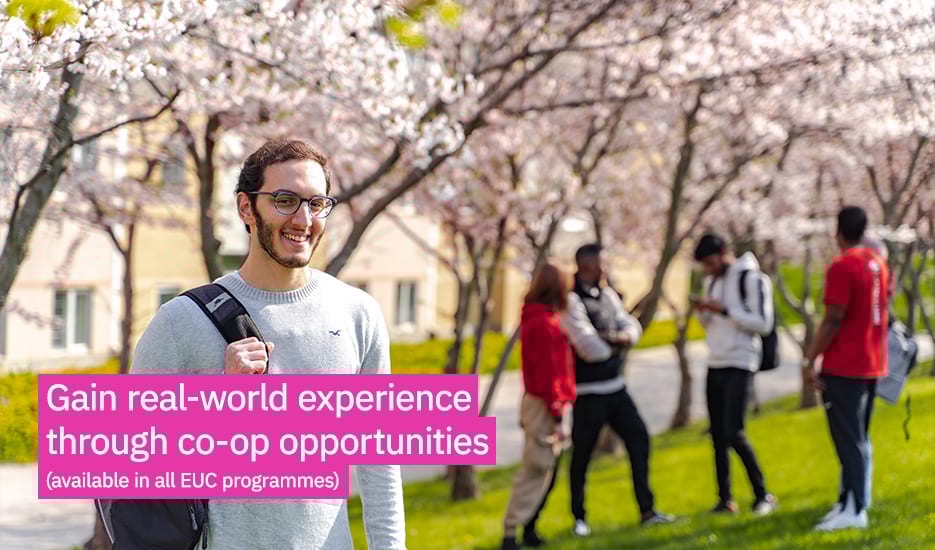

“As awareness of environmental challenges continues to grow, careers in renewable energy, waste management, geomatics, sustainable planning, and biodiversity are becoming increasingly vital. At EUC, we are committed to preparing students for impactful careers that drive sustainability and positive change.”
Alice J. Hovorka, Dean & Professor of the Faculty of Environmental and Urban Change




IBM and Columbia University are partnering to make data centres more energy-efficient, as these facilities consume around 2% of U.S. energy supplies according to the Department of Energy. They are modelling AI's energy use, designing low-power chips, reducing software inefficiencies, and optimising system operations to address this issue.

V. Faye McNeill, professor of chemical engineering, is working with partners across the Global South to expand air quality monitoring in India, generate new air pollution data in Africa, and build local capacity in air quality science. The team’s success has led to informed policy decisions and improved air management across various regions.
A campus designed for impact
My long-term goal is to become a subject matter expert in supply chain, which is the backbone of the industry. I found BGSU's Logistics Systems Engineering program is a combination of engineering and management, which helps me to enhance my knowledge and skills. I joined BGSU in January 2022 and got the opportunity to work as a Graduate Assistant on an industrial project under the guidance of Dr. Sarder.
Swati Arora, India
MS in Logistics Systems Engineering



Hear from the students
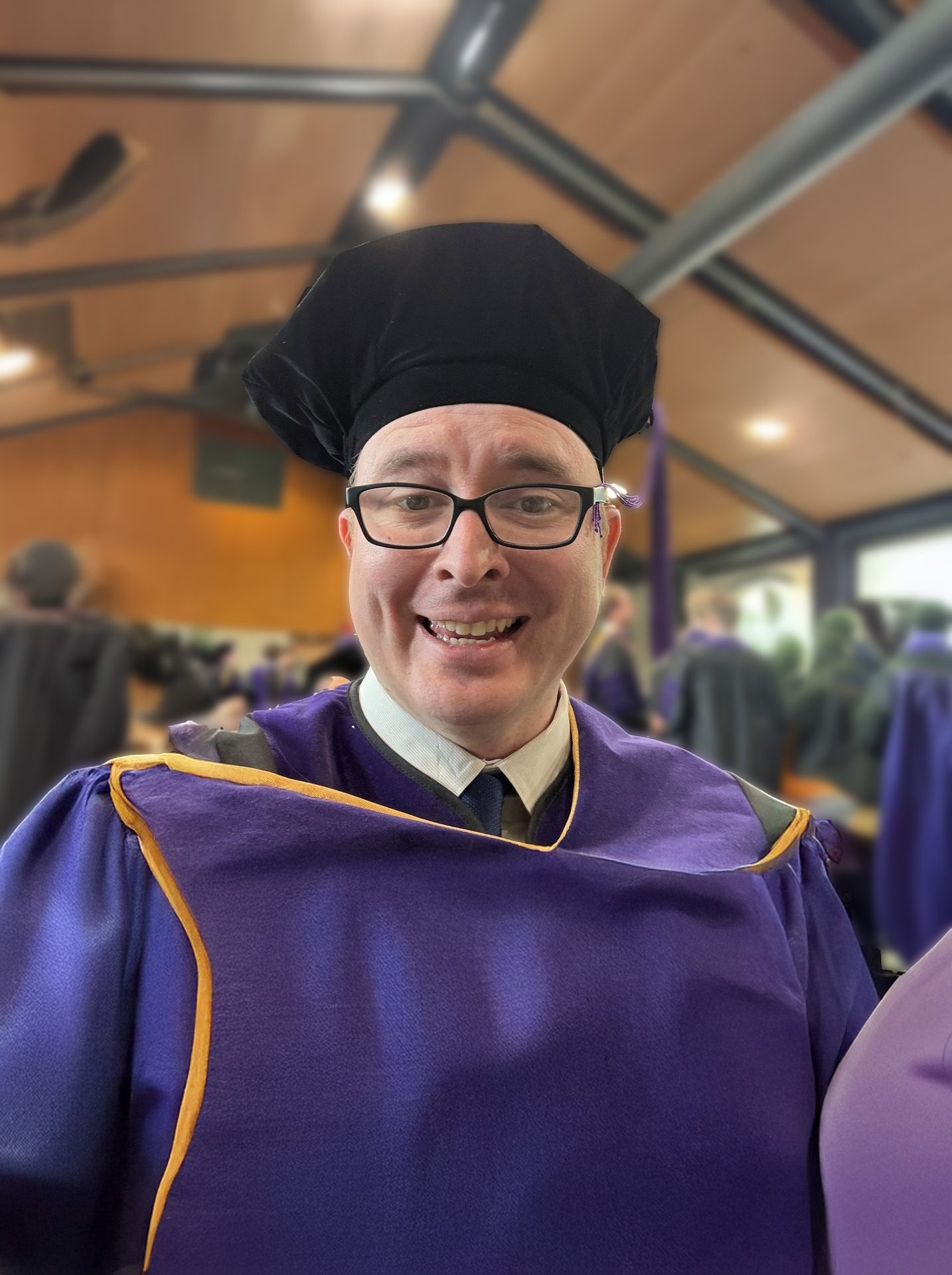

Enriching education awaits at Wake Forest University School of Law.