Partner content


Studying the intersection between social science and data

What if one year can transform the way you’ve been approaching social science?
The Master of Computational Social Science (MaCSS) program at the University of California, Berkeley makes that a reality. Housed within the College of Letters and Science Social Sciences Division, the program equips you with the data analysis and computational skills to truly answer the complex questions about human behavior, social structures, and forces shaping our world.
The curriculum fuses computing tools and techniques and statistical approaches to data analysis with social science theories and findings. The goal is to broaden your knowledge in two worlds: data analysis and social science.
“Data analytics requires much more than writing code to tell a computer what model to estimate. We need to use our social science knowledge to pose the right question, understand how the data were generated, choose the right model for the research question, correctly interpret the results, and think through how a solution to a problem will work in a given context.”
Professor David Harding, Professor and Chair, Department of Sociology
92%
of our inaugural alumni cohort have secured jobs that required skills taught in the MaCSS program
100%
of MaCSS students obtain real-world experience through a capstone project experience
100%
of MaCSS students in each cohort have successfully completed a capstone project and graduated from the program
A curriculum built for real-world impact
The MaCSS program explores the use of computational tools to study a wide array of social concerns, from inequality and exclusion to healthcare access and climate change, and develop data-driven solutions informed by a deep understanding of human needs. It is a sophisticated and interdisciplinary curriculum – one that comes to life through a capstone project, workshops, and courses that build both students' technical and leadership skills and support their career development.
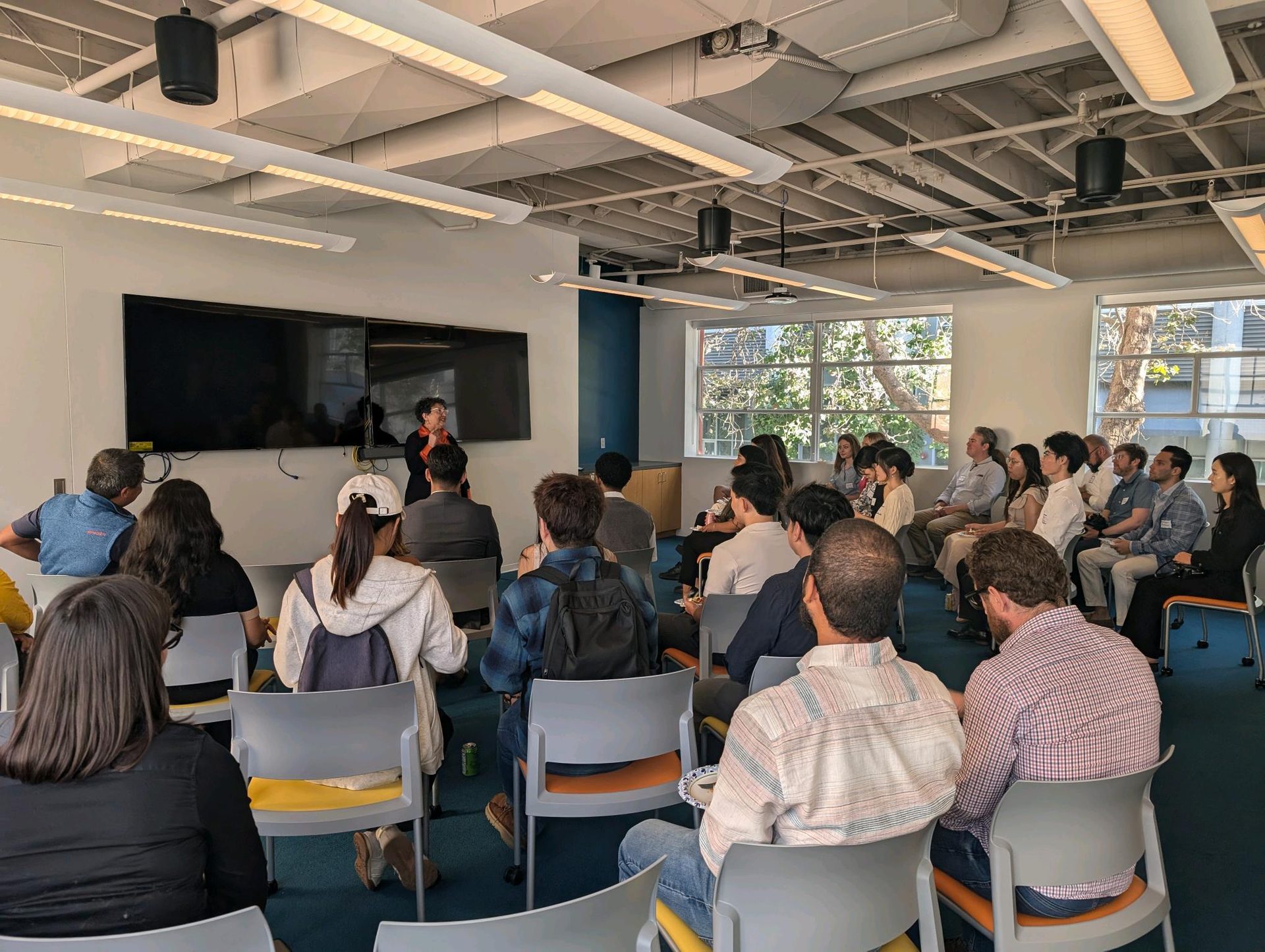
The capstone project puts you in small groups to analyze data from one of the program’s partner organizations, and recommend a solution to a problem that they pose. As you apply your technical coursework to a current real-world problem, you will also sharpen your collaborative and leadership skills. Meanwhile, the D-Lab at UC Berkeley offers a variety of workshops that supplement your courses to help you master Python, SQL, Tableau, and other useful tools for the workforce. Students also take classes and attend workshops led by industry leaders, designed to help them navigate the job market and translate their technical skills into career opportunities that allow you to make a real-world impact.
Move your career forward even before you graduate
The careers of MaCSS students are not static after graduation. Many become highly sought after for data analyst roles in business, government, and nonprofits, where they can use their unique skillset to make a real-world difference.
This is, in part, thanks to the career support provided by the program. From day one, you can approach the Director of Career Services for personalized support in navigating your career goals.
The director works closely with the Career Development course instructor to develop various professional development opportunities. Think one-on-one coaching, networking mixers, employer workshops, industry panels, site visits, and more. Personalized consultations with post-docs, doctoral students, and D-Lab’s core staff, who are experts in areas such as Education, Environmental Planning, and Biological Anthropology, are available too.

“Our career development courses help students design careers that align with their values, strengths, and aspirations — so they leave with clarity, confidence, and a personalized roadmap for what's next.”
Rachel Ann Williams, MaCSS instructor
Hear from former MaCSS students
Hear from the students
“I learned so much from these courses that will help in my future career. It was also a great experience doing case studies with my classmates and getting hands-on experience. The quality of the program is really good. You learn from instructors who are professionals in their fields. They know what it is like in the workplace and provide useful information. It is a unique kind of learning. Also, the opportunity to be in the Bay Area is great. There is so much diversity, innovation and technology, along with a unique culture.”
Eduardo Dischinger
“Really listen to what your teachers have to say. For example, when I got there we heard that it is important to interact and network with people in the Bay Area. In Brazil, meeting a new person for coffee without a reference is a bit strange—but in the Bay Area, this is so normal.”
Roberta Tanajura
Learn more about the Master of Computational Social Science program at UC Berkeley today.
My long-term goal is to become a subject matter expert in supply chain, which is the backbone of the industry. I found BGSU's Logistics Systems Engineering program is a combination of engineering and management, which helps me to enhance my knowledge and skills. I joined BGSU in January 2022 and got the opportunity to work as a Graduate Assistant on an industrial project under the guidance of Dr. Sarder.
Swati Arora, India
MS in Logistics Systems Engineering