Partner content



Join the future of agriculture at the University of Georgia
With its unique subtropical climate, rich farmland, and ample rainfall, the state of Georgia provides an ideal environment for growing virtually any crop or animal — making it the ideal location for students looking to make a real-world impact as part of this $1.5 trillion national industry.
At the heart of Georgia agriculture, the state’s oldest and largest industry representing hundreds of thousands of jobs, is the UGA College of Agricultural and Environmental Sciences (CAES), where students are gaining hands-on experience in state-of-the-art facilities, learning from world-renowned faculty, and publishing groundbreaking research long before they graduate.
“At CAES, graduates join a uniquely collaborative, supportive community where they work closely with faculty who are leaders in their fields. In the department of agricultural and applied economics, our STEM-designated programs combine rigorous economic and data analytics training with real-world applications in agribusiness, environmental and natural resource economics, and policy analysis, equipping students with the tools to make meaningful impacts in academia, industry, government, and beyond.”
Greg Colson, Head of the UGA Department of Agricultural and Applied Economics
2,900
employers hired UGA graduates in 2024.
MORE THAN
96%
of 2024 graduates were employed or in graduate school within 6 months of graduation.
Outcomes that matter
#10
top public university in the U.S.
#10
best college campus and public university in the U.S.
#9
best college for agricultural sciences in the U.S.
#2
best college for student life in the U.S.
Nationwide recognition
48
states and 22 countries, UGA Class of 2024 graduates are pursuing careers.
ACROSS
Many paths. One purpose.
Regenerative bioscience
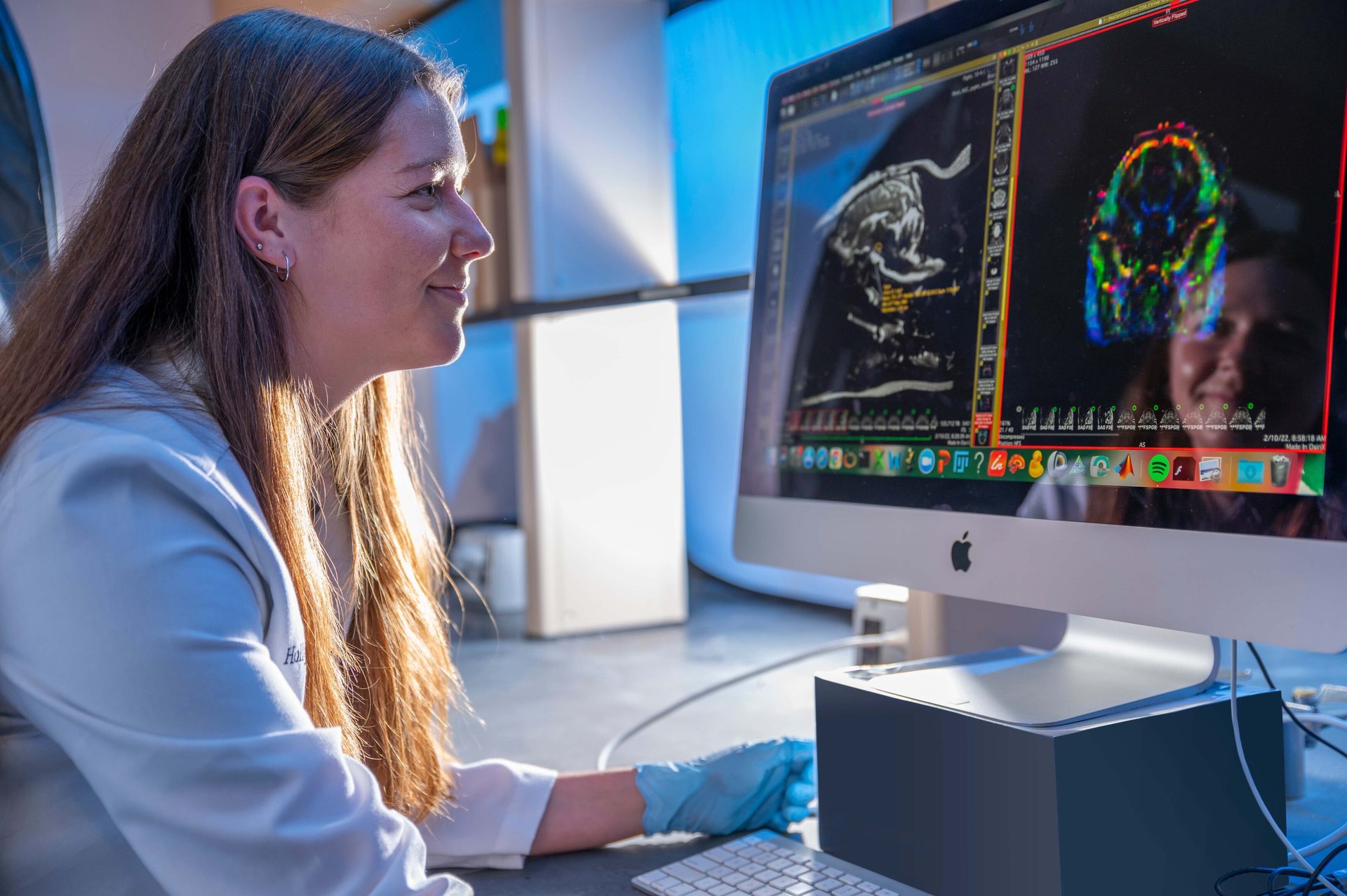
CAES is home to the world’s first and only program offering both bachelor’s and doctoral degrees in regenerative bioscience. Attracting some of the nation’s top students, this program is training the next generation of biotech leaders to fight some of the world’s most debilitating and currently incurable diseases, such as Alzheimer’s, Parkinson’s, and more. Equipping students with the workforce-ready skills they need to shape a new frontier of medicine, this unique program offers a new path in science, innovation, and discovery.
Precision agriculture
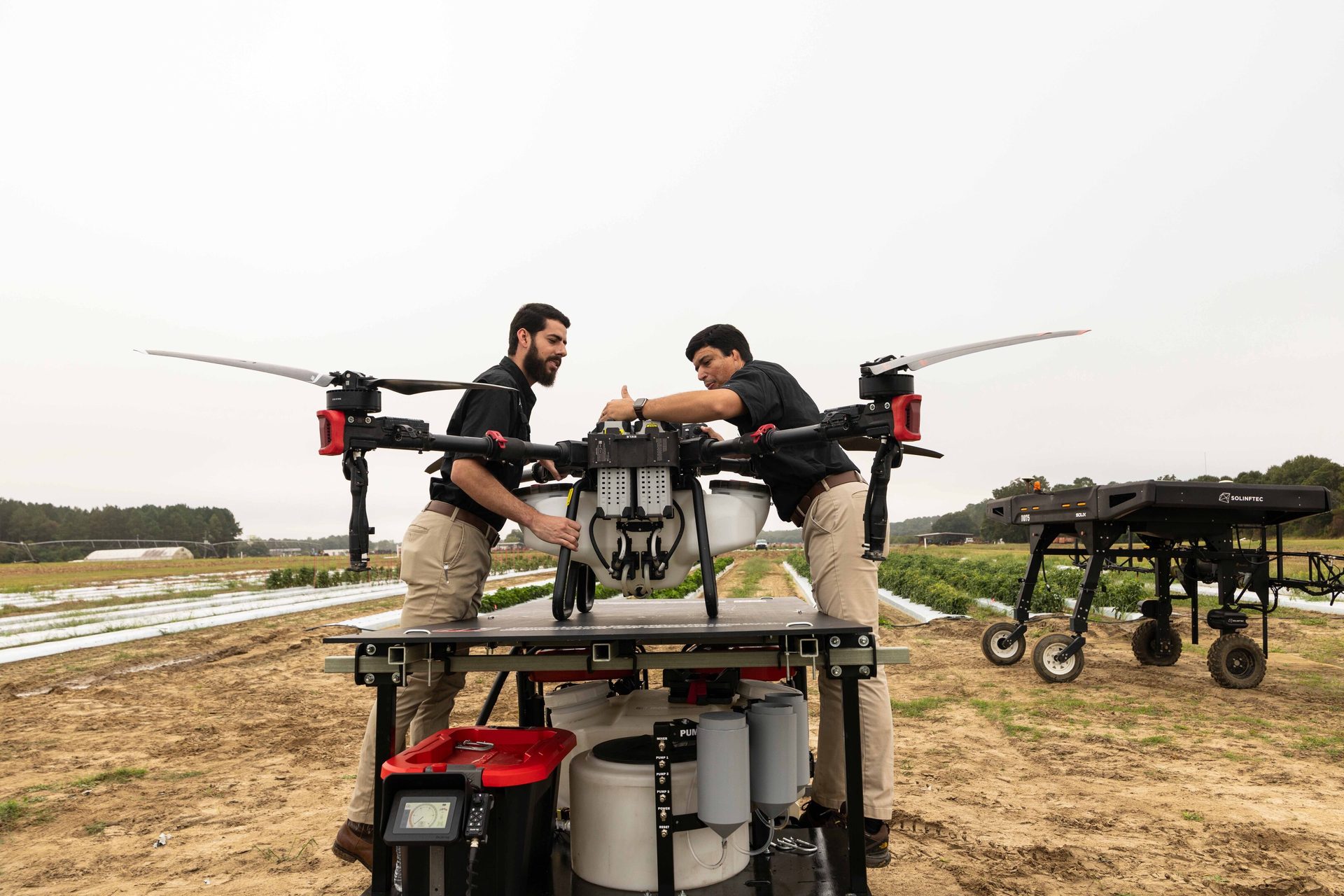
CAES is empowering students with the skills they need to meet tomorrow’s challenges today. Leading the research, development, and application of next-generation technology, such as the UGA Precision Horticulture Lab’s award-winning Drone Dock, CAES researchers and students are harnessing the power of game-changing tech and big data to sustainably provide for our planet’s growing population.
Food science and technology
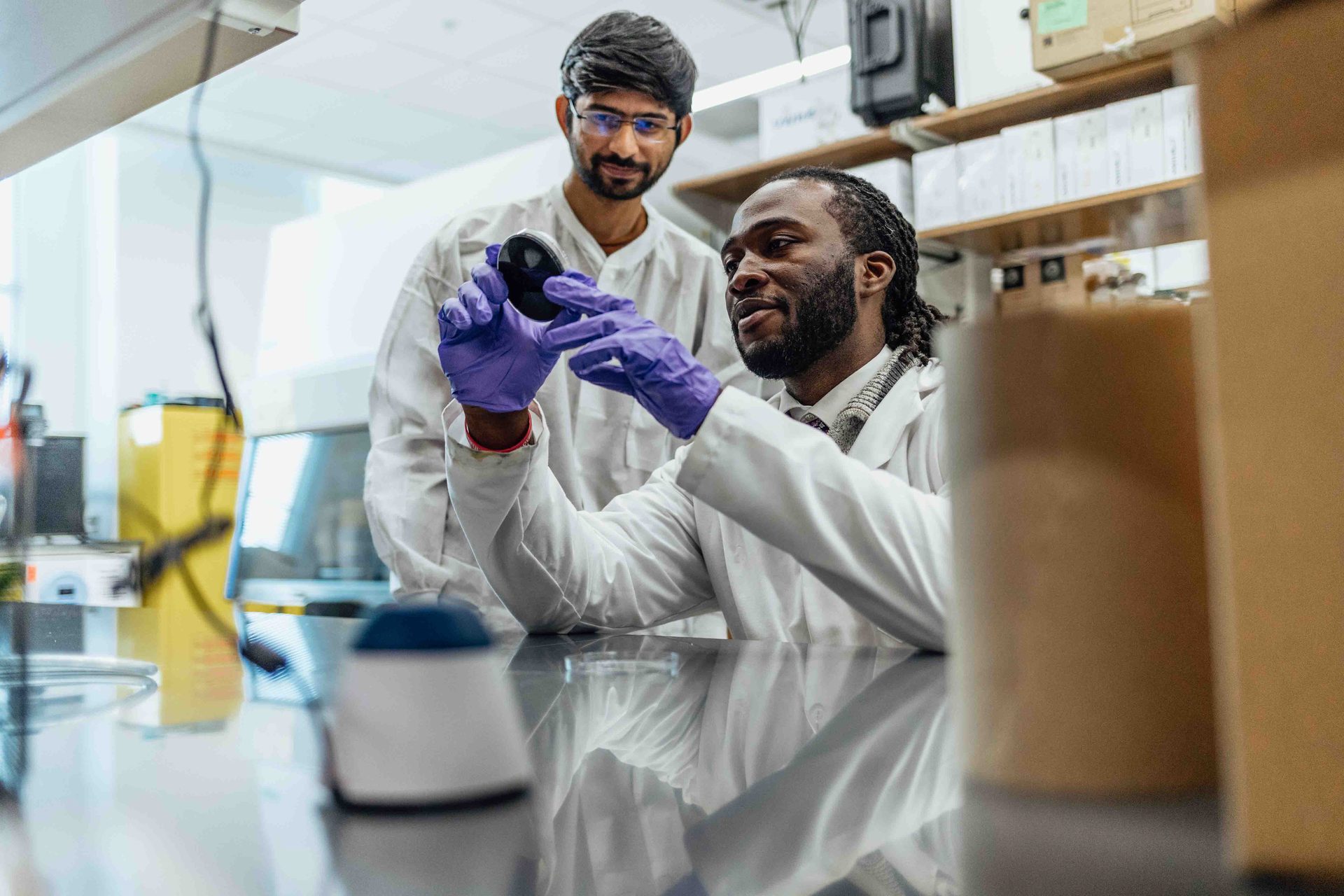
Ranked among the top 15 departments in the U.S., the empowers both undergraduate and graduate students with the skills they need to create innovative food products that are not only filled with flavor and nutrition but also contribute to the health and safety of the global community. Alumni have gone on to hold both creative and executive positions at some of the country’s most successful food product companies, such as Coca-Cola, Kellogg’s, and more.
Agricultural and applied economics
At the UGA Department of Agricultural and Applied Economics, students develop their economics and management expertise through four graduate programs: Masters of Agribusiness, M.S. in Agricultural and Applied Economics, M.S. in Environmental Economics, and Ph.D. in Agricultural and Applied Economics.
Explore all graduate programs offered at CAES
Explore all graduate programs offered at CAES
Project
Molendi psanis ducit omnihil est voltam nis nonemque essita pore serchil molupti buscid modiam non pernatquae acitem poriae serchil et molupti.
Project
Molendi psanis ducit omnihil est voltam nis nonemque essita pore serchil molupti buscid modiam non pernatquae acitem poriae serchil et molupti.
Project
Molendi psanis ducit omnihil est voltam nis nonemque essita pore serchil molupti buscid modiam non pernatquae acitem poriae serchil et molupti.
Project
Molendi psanis ducit omnihil est voltam nis nonemque essita pore serchil molupti buscid modiam non pernatquae acitem poriae serchil et molupti.
Project
Molendi psanis ducit omnihil est voltam nis nonemque essita pore serchil molupti buscid modiam non pernatquae acitem poriae serchil et molupti.
Project
Molendi psanis ducit omnihil est voltam nis nonemque essita pore serchil molupti buscid modiam non pernatquae acitem poriae serchil et molupti.

Hear from the students and alumni
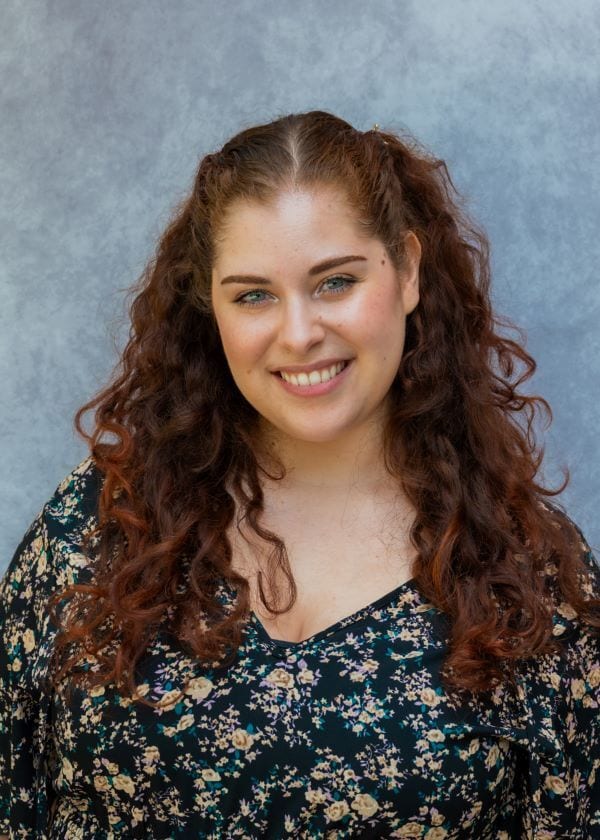
“My experience in the Regenerative Bioscience Ph.D. program at CAES has been incredible. They both gave me the guidance and support to pursue cutting-edge research, innovative teaching, and meaningful service in ways I never imagined possible. Being part of a program of this caliber is especially meaningful, as it reflects UGA’s investment in and commitment to meeting the demands of a rapidly growing regenerative medicine workforce. We are breaking new ground, pioneering novel methods, and offering hope for treating conditions that were previously considered untreatable. I feel so fortunate to work in state-of-the-art facilities and learn from award-winning faculty who are leading the field.
The Regenerative Bioscience Center and CAES communities align with my personal values by prioritizing collaboration and real-world impact. I am appreciative of every opportunity I have been given to grow as a scientist, educator, and leader. GO DAWGS!”
Morgane Golan
PhD Student
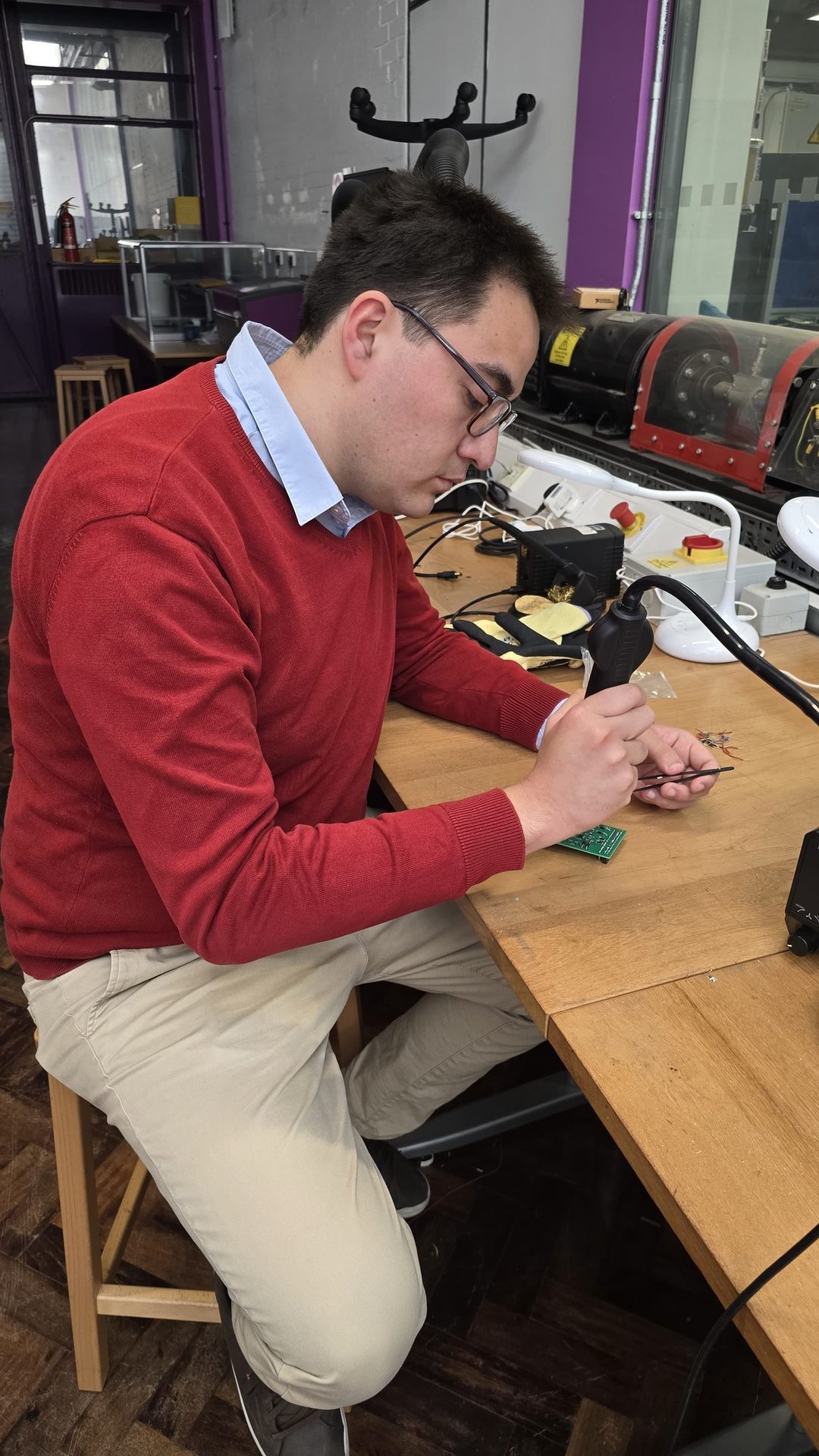
Tony Llano
Director of Industry Partnerships and Project-Based Learning
“At CAES, we are committed to preparing the next generation of scientists and innovators. We ensure that our students are career-ready by exposing them to real-world problems, helping them build professional networks, and equipping them with the skills employers need in today’s modern world. CAES has the expertise and infrastructure to lead major transformation in the agricultural and environmental sciences, not just for Georgia but for the world.”
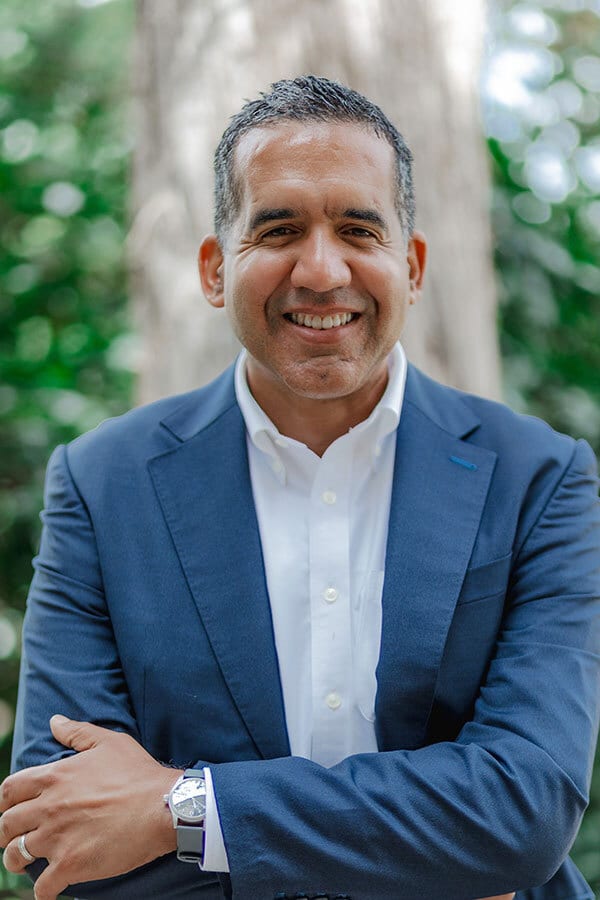
Salvador
MSc Applied Machine Learning
“It’s a city that has everything. Tech events, cultural diversity, and more. It’s a hub of innovation, diplomacy, fashion, and diversity.”

Steve Stice
Director of the Regenerative Bioscience Center
“Not only is UGA situated in the stroke epicenter of the U.S., but we are also the only place in the world that has a clinical trial planned in humans, supporting the brain’s own repair systems. I really attribute that to our regenerative bioscience community filled with talented faculty, staff, and students who come prepared each and every day to develop new technologies, solve new problems, and make a lasting difference, benefiting the long-term lives of patients and their caregivers.”
Luan Oliveira
Assistant Professor and Precision Agriculture Extension Specialist
“Through hands-on research and real-world problem solving, our students help turn new technologies into practical solutions for growers while building skills that will shape them as the next generation of leaders in agriculture. They are essential to our success at CAES, and it is an honor to have the opportunity to invest in their creativity, their dedication, and their futures.”
Hear from the faculty
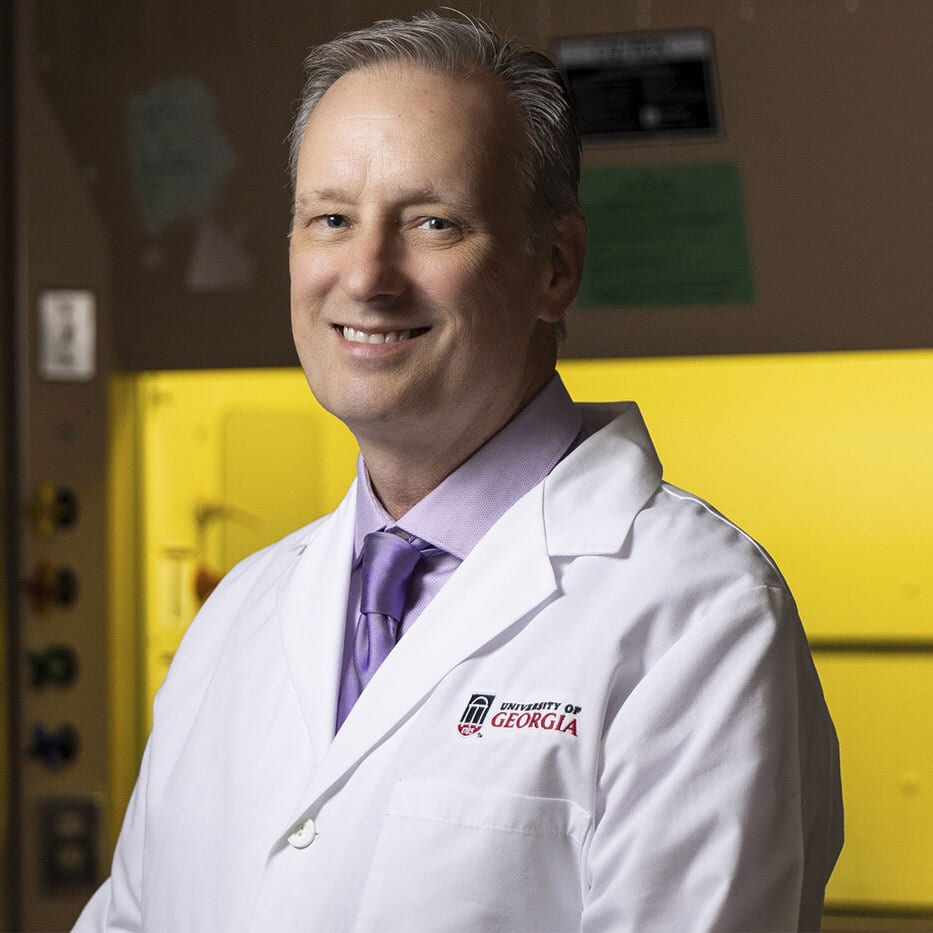
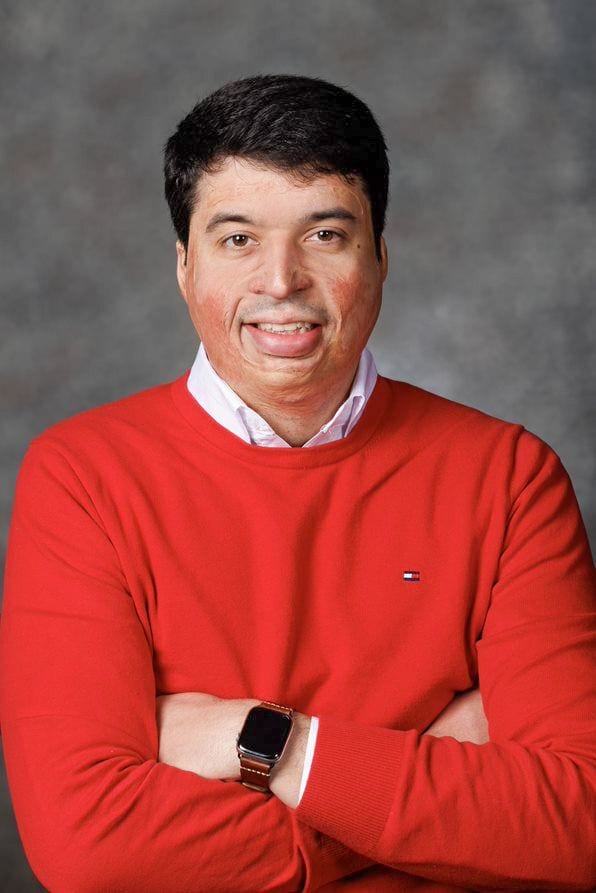
Hear from the students

“Pursuing a graduate degree at the University of Georgia has been a transformative experience. The Food Science and Technology programme offers unparalleled resources and expertise, allowing me to work on cutting-edge research with global implications.
As an international student from India, I’ve found a welcoming and diverse academic environment that encourages innovation and collaboration. UGA has provided me with the tools and support to pursue my passion for food science and make a difference in the industry.”
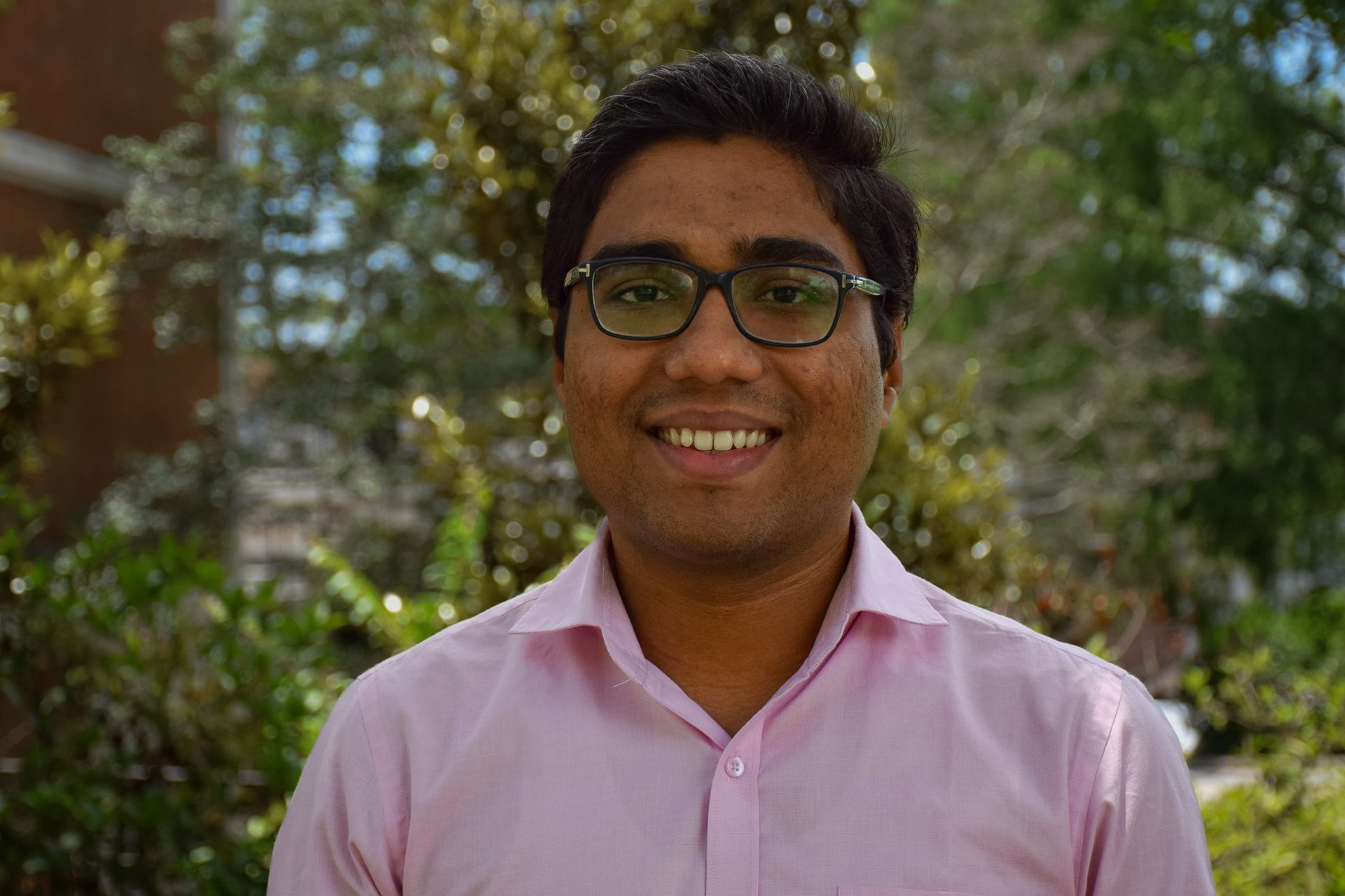
Sanket Vanare,
PhD candidate in Food Science and Technology
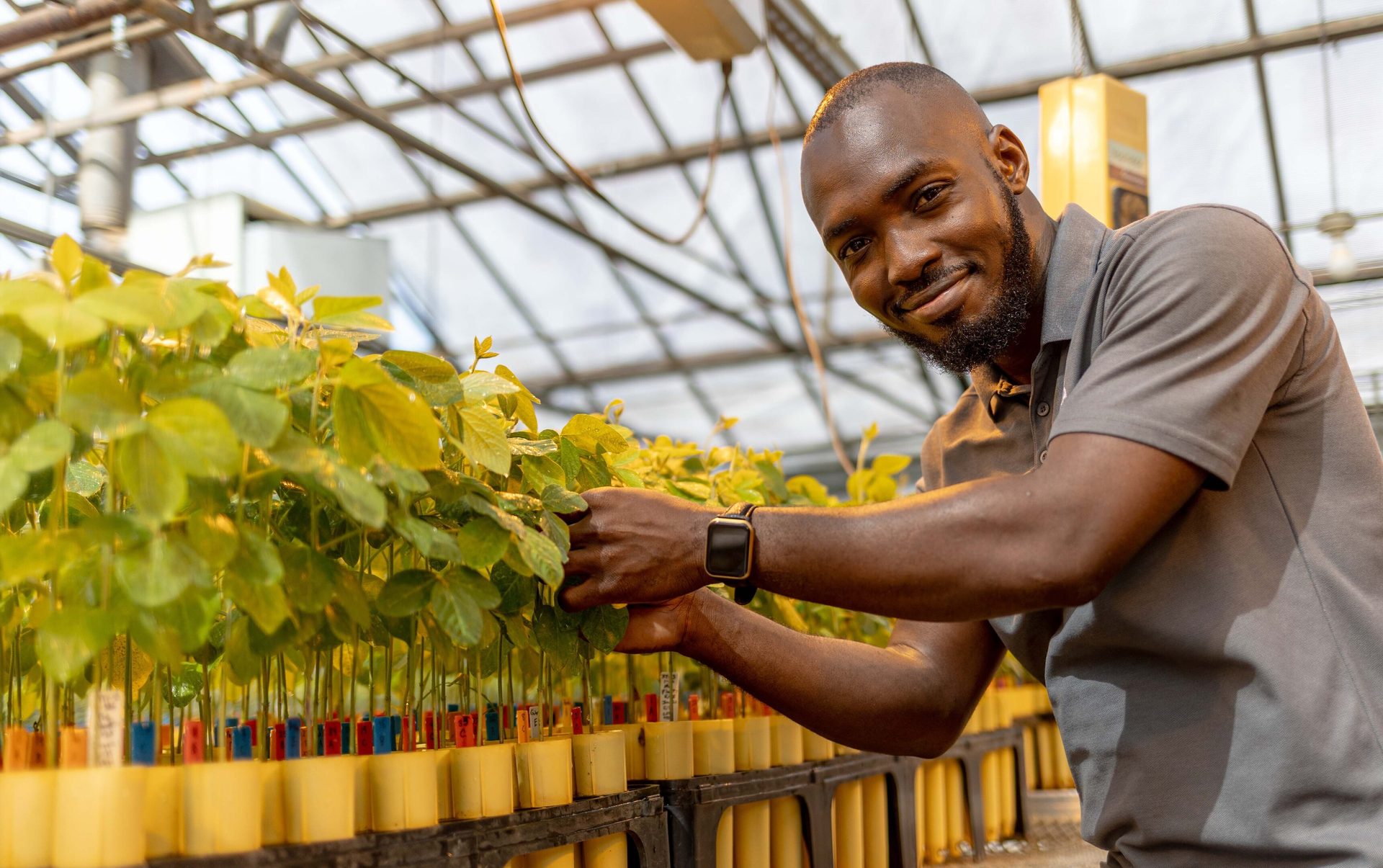
“I’ve seen others analyse complex genomic data, but I’ve never been able to do that myself until now. I’m gaining skills that will make me a better scientist so that when I go back to Ghana, they will help me help others.
One tip I have for other students is that agriculture is for all and women can make a difference. When it gets harder, seek help from women in other fields.”

Danielle Essandoh,
PhD candidate in Plant Breeding, Genetics, and Genomics
“Studying at the University of Georgia has been an incredible journey, especially as an international student from Honduras. The Animal and Dairy Science programme provides an innovative and research-driven environment where I can pursue my passion for improving livestock production.
UGA’s facilities and collaborative faculty have given me the tools to explore how strategies like using dried distillers’ grains can enhance the livestock industry by improving feed management practices and providing a deeper understanding of how nutritional strategies are interrelated and impact beef cattle production holistically.”

Andrea Marcela Osorio Doblado
PhD candidate in Animal and Dairy Science
Hear from the PROFESSORS
“Faculty in the department take pride in working with students and professionals from diverse backgrounds and are invested in their success while at UGA and beyond.
On a personal level, being an international myself, it is a pleasure to train and promote the next generation of leaders in Food Science and Technology globally.”

Manpreet Singh, PhD
Food Science and Technology Department Head
“UGA’s Animal and Dairy Science programme is at the forefront of research and innovation, allowing students from all over the world to make a real impact in agricultural sciences.
I love being a part of UGA’s diverse and dynamic academic environment and helping train the next generation of leaders in global agriculture.”

Pedro Fontes, PhD, Assistant professor,
Department of Animal and Dairy Sciences
“As food production becomes more complex, we're helping students prepare for that future.
At the Poultry Science Building, students can conduct innovative research to address complex issues such as ensuring the health and welfare of our birds.”

Todd Applegate, PhD
Poultry Science Department Head
“As a native Brazilian who has studied and worked in various countries, I love being a part of UGA’s commitment to international agricultural innovation through my work leading the UGA Wild Peanut Lab.
Here, we support the creation of sustainable food systems both domestically and abroad and mentor students from across the globe through their own professional journeys.”

Soraya Leal-Bertioli, PhD
Senior Research Scientist
“Studying at the University of Georgia has been an incredible journey, especially as an international student from Honduras. The Animal and Dairy Science programme provides an innovative and research-driven environment where I can pursue my passion for improving livestock production.
My research focuses on the impact of nutritional strategies on cattle performance, feed intake, water consumption, methane emissions, microbiome (rumen and gut), Escherichia coli shedding and in vitro fermentation parameters in beef cattle. UGA’s facilities and collaborative faculty have given me the tools to explore how strategies like using dried distillers’ grains can enhance the livestock industry by improving feed management practices and providing a deeper understanding of how nutritional strategies are interrelated and impact beef cattle production holistically.”
Andrea Marcela Osorio Doblado
PhD candidate in Animal and Dairy Science
“I’ve seen others be able to analyse complex genomic data, but I’ve never been exposed to learning how to do that before now. I’m gaining skills that will make me a better scientist when I go back to Ghana, and that will help me help others.
One tip I have for others is that agriculture is for all, and women can make a difference. When it gets harder, seek out help from other women in other fields.”
Danielle Essandoh,
PhD candidate in Plant Breeding, Genetics, and Genomics
“Pursuing a graduate degree at the University of Georgia has been a transformative experience. The Food Science and Technology programme offers unparalleled resources and expertise, allowing me to work on cutting-edge research with global implications.
As an international student from India, I’ve found a welcoming and diverse academic environment that encourages innovation and collaboration. UGA has provided me with the tools and support to pursue my passion for food science and make a difference in the industry.”
Sanket Vanare,
PhD candidate in Food Science and Technology
Hear from the students
“Pursuing a graduate degree at the University of Georgia has been a transformative experience. The Food Science and Technology programme offers unparalleled resources and expertise, allowing me to work on cutting-edge research with global implications.
As an international student from India, I’ve found a welcoming and diverse academic environment that encourages innovation and collaboration. UGA has provided me with the tools and support to pursue my passion for food science and make a difference in the industry.”
SANKET VANARE
PhD candidate in Food Science and Technology
HEAR FROM THE STUDENTS

“I’ve seen others be able to analyse complex genomic data, but I’ve never been exposed to learning how to do that before now. I’m gaining skills that will make me a better scientist when I go back to Ghana, and that will help me help others.
One tip I have for others is that agriculture is for all, and women can make a difference. When it gets harder, seek out help from other women in other fields.”
Danielle Essandoh
PhD candidate in Plant Breeding, Genetics, and Genomics
“Studying at the University of Georgia has been an incredible journey, especially as an international student from Honduras. The Animal and Dairy Science programme provides an innovative and research-driven environment where I can pursue my passion for improving livestock production.
My research focuses on the impact of nutritional strategies on cattle performance, feed intake, water consumption, methane emissions, microbiome (rumen and gut), Escherichia coli shedding and in vitro fermentation parameters in beef cattle. UGA’s facilities and collaborative faculty have given me the tools to explore how strategies like using dried distillers’ grains can enhance the livestock industry by improving feed management practices and providing a deeper understanding of how nutritional strategies are interrelated and impact beef cattle production holistically.”
Andrea Marcela Osorio Doblado
PhD candidate in Animal and Dairy Science