

Language meets the real world at The University of Melbourne

Language meets the real world at the University of Melbourne
What do an English teacher on a cultural exchange programme, a linguistic annotator in a tech firm, a local newspaper reporter, and a publications intern at a scientific society have in common? More than you might think: all of them rely on the power of language to untangle the everyday knots of communication that shape our world.
From global workplaces to cross-cultural collaborations, languages play a key role in how we make sense of each other, work together, and share knowledge. That’s why professionals who can decode the mechanics of language are increasingly in demand. To meet that need, you need a mix of theory and practical skills — something the Master of Applied Linguistics at the University of Melbourne is designed to provide.
Key programme details
(for international students)
- Duration: 2 years full-time
- Where you study: On campus in Parkville, Melbourne (online subjects available)
- When you can start: March or July
- English language requirements: IELTS 6.5, with no band less than 6.0
Key programme details
(for international students)
- Duration: 2 years full-time
- Where you study: On campus in Parkville, Melbourne (online subjects available)
- When you can start: March or July
- English language requirements: IELTS 6.5, with no band less than 6.0
Whether you’re pursuing formal study in linguistics for the first time or have a professional history in the field — like in language teaching, assessment, speech pathology, programme evaluation, or interpreting — you know that your work with language could become part of something larger. Your next professional step could shape how people learn, connect, and move through the world.
The Master of Applied Linguistics is an invaluable addition to your knowledge and experience in the field, combining linguistic theory with practical research to understand how language actually unfolds in everyday life. Students explore conversations both in the abstract and by taking them apart, using tools like the Jefferson transcription system to examine how people navigate pauses, interruptions, misunderstandings, and meaning. You can also tailor your studies to your ambitions by specialising in either Teaching English to Speakers of Other Languages (TESOL), Language testing, or English language.
A programme designed for language professionals
#1 university in Australia and #26 in the world for Linguistics
The Master of Applied Linguistics prepares graduates for careers where language decisions carry real consequences. You’ll level up your qualifications for roles that shape classrooms, tests, conversations, and even government policy. Many graduates end up serving the public, at home and internationally, from the Australian Council for Educational Research (ACER) and the Indonesian Air Force to the Ministry of Education in Singapore and Imagine Education Australia.
What makes these paths so varied is the programme’s reach. The skills you learn travel easily across sectors and borders. Students describe the programme as enriching, where each class gives them something they can carry into the world and professors support them as emerging professionals.
Where your applied linguistics degree can take you
Before leaving China to begin the Master of Applied Linguistics, Alex was standing in a classroom in Nanjing, helping young people prepare to study in English-speaking countries. It was steady work, the kind that changes lives in small, unseen ways. But with each day, he found himself wondering why some students thrived while others stumbled, why certain challenges had little to do with grammar and more to do with how humans learn something.
“I became increasingly curious about the deeper processes behind language learning,” he says.
That interest carried him across continents, moving him to Melbourne to join the Master of Applied Linguistics, where he chose to specialise in language testing. It’s a corner of the field that’s about understanding what language ability truly is, how it develops, and how it can be measured in ways that are fair and meaningful across cultures.
“Language testing goes beyond designing tests,” he explains. The deeper he went, the more he saw how ideas such as proficiency, pragmatics, and interactional competence translate into tests, which opened doors for some and closed them for others.
Alex (Xingcheng) Wang
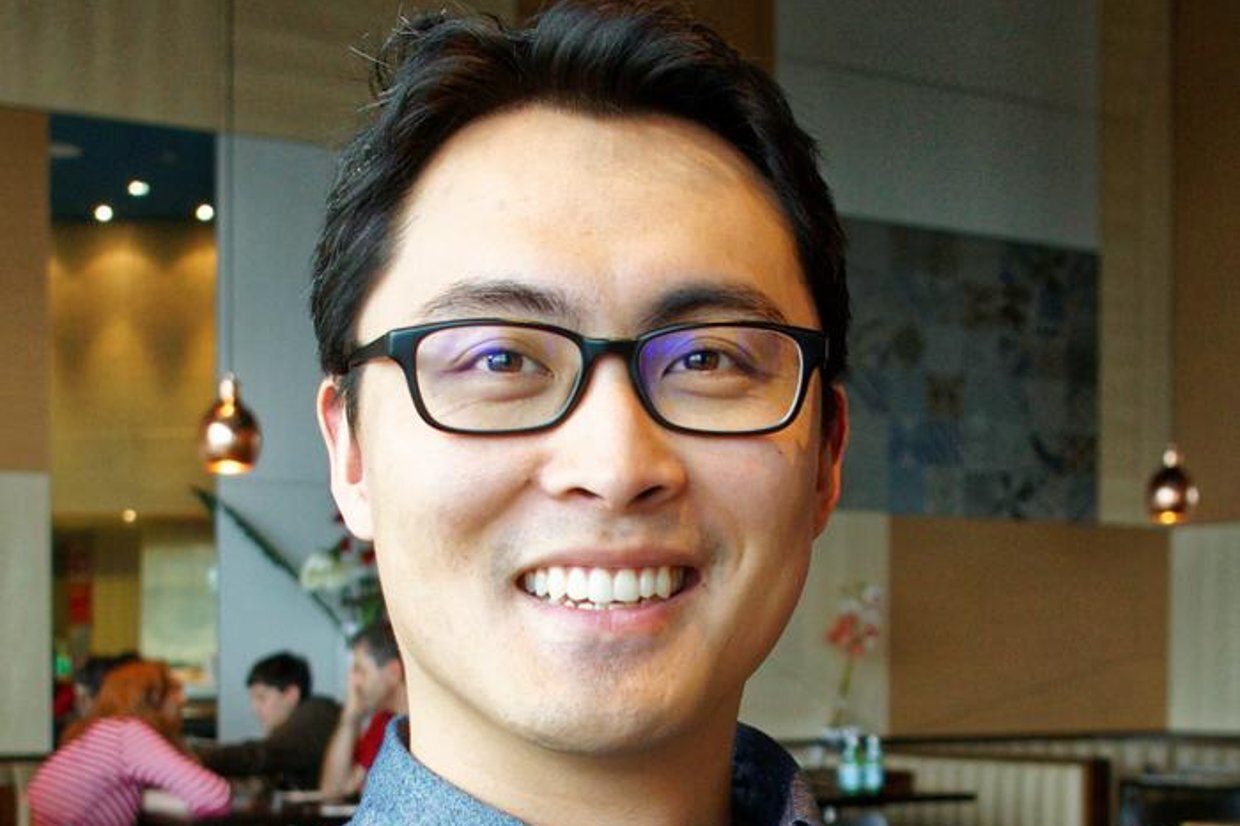
Hear from a student
“It helped me see how theoretical models directly influence real decisions that affect learners’ educational and professional opportunities, and highlighted the ethical dimensions of applied linguistics, particularly issues of validity, fairness, and impact,” Alex adds.

For Alex, the master’s programme became a place where linguistic theory met the messiness of human communication. Abstract ideas came to life, illuminating what happens in classrooms, offices, and conversations across cultures. Soon after joining, he began to see that communication is not just about the proficiency ofsomeone’s grammar or vocabulary, but also about how tangled it is in social norms and expectations.
Subjects like Second Language Acquisition, Second Language Pragmatics, and Language Curriculum Design helped him turn those insights into practice.
“I’m now able to help students apply these ideas in real-world scenarios, such as professional communication, engaging in small talk, handling conflict, or making requests, refusals, and invitations appropriately across cultures,” he says. Training in research and quantitative methods also helped him grow more confident as a linguist, giving him the skills to analyse data and engage with research more critically.
Where theory meets practice
Alex (Xingcheng) Wang
Before leaving China to begin the Master of Applied Linguistics, Alex was standing in a classroom in Nanjing, helping young people prepare to study in English-speaking countries. It was steady work, the kind that changes lives in small, unseen ways. But with each day, he found himself wondering why some students thrived while others stumbled, why certain challenges had little to do with grammar and more to do with how humans learn something.
“I became increasingly curious about the deeper processes behind language learning,” he says.
That interest carried him across continents, moving him to Melbourne to join the Master of Applied Linguistics, where he chose to specialise in language testing. It’s a corner of the field that’s about understanding what language ability truly is, how it develops, and how it can be measured in ways that are fair and meaningful across cultures. “Language testing goes beyond designing tests,” he explains.
The deeper he went, the more he saw how ideas such as proficiency, pragmatics, and interactional competence translate into tests, which opened doors for some and closed them for others. “It helped me see how theoretical models directly influence real decisions that affect learners’ educational and professional opportunities, and highlighted the ethical dimensions of applied linguistics, particularly issues of validity, fairness, and impact,” Alex adds.
Before leaving China to begin the Master of Applied Linguistics, Alex was standing in a classroom in Nanjing, helping young people prepare to study in English-speaking countries. It was steady work, the kind that changes lives in small, unseen ways. But with each day, he found himself wondering why some students thrived while others stumbled, why certain challenges had little to do with grammar and more to do with how humans learn something. “I became increasingly curious about the deeper processes behind language learning,” he says. That interest carried him across continents, moving him to Melbourne to join the Master of Applied Linguistics, where he chose to specialise in language testing. It’s a corner of the field that’s about understanding what language ability truly is, how it develops, and how it can be measured in ways that are fair and meaningful across cultures.
“Language testing goes beyond designing tests,” he explains. The deeper he went, the more he saw how ideas such as proficiency, pragmatics, and interactional competence translate into tests, which opened doors for some and closed them for others.
Alex (Xingcheng) Wang
Hear from a student
“It helped me see how theoretical models directly influence real decisions that affect learners’ educational and professional opportunities, and highlighted the ethical dimensions of applied linguistics, particularly issues of validity, fairness, and impact,” Alex adds.
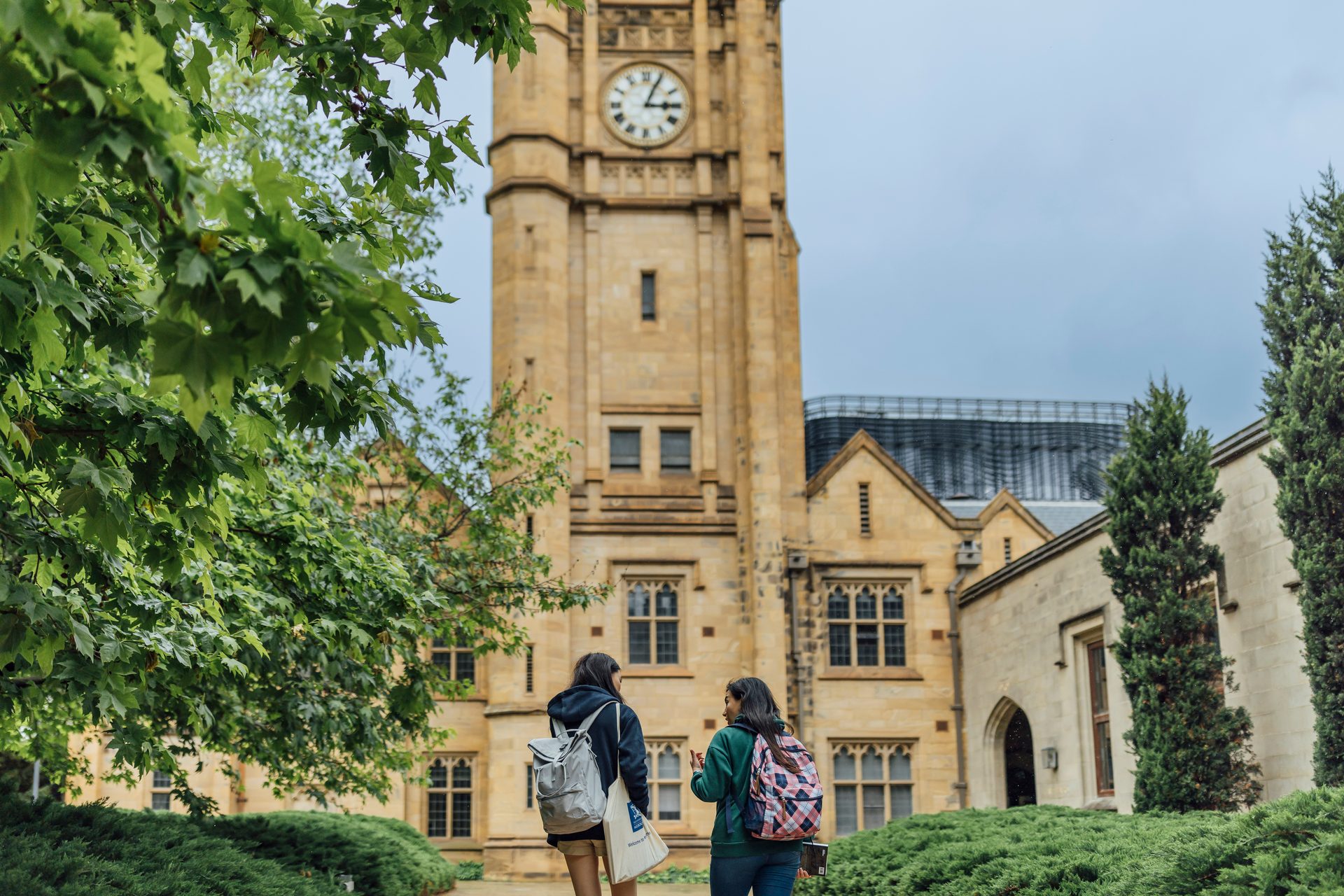
Today, Alex works as an academic staff member at the University of Melbourne. Looking back, he says that although many of the subjects he took shaped his academic path, the minor thesis was especially formative. It allowed him to design and carry out his own research project, from collecting and analysing data to writing an extended academic paper, with guidance from experienced researchers in the school.
“This experience closely mirrored the realities of academic research and gave me a strong foundation for doctoral study and my current role,” he says. “It also helped me develop confidence in managing complex projects, engaging with feedback, and positioning my work within broader academic debates.”
“I’m now able to help students apply these ideas in real-world scenarios, such as professional communication, engaging in small talk, handling conflict, or making requests, refusals, and invitations appropriately across cultures,” he says. Training in research and quantitative methods also helped him grow more confident as a linguist, giving him the skills to analyse data and engage with research more critically.
From student researcher to academic
While completing his master’s, Alex worked as an ESL tutor and research assistant. “These experiences helped me bridge theory and practice, deepen my understanding of research processes, and gain insight into how applied linguistics research is conducted in real institutional settings,” he shares. “The programme and the school offered a supportive environment where teaching, research, and professional development were closely connected.”
Learning in action
For Alex, the master’s programme became a place where linguistic theory met the messiness of human communication. Abstract ideas came to life, illuminating what happens in classrooms, offices, and conversations across cultures. Soon after joining, he began to see that communication is not just about the proficiency ofsomeone’s grammar or vocabulary, but also about how tangled it is in social norms and expectations.
Subjects like Second Language Acquisition, Second Language Pragmatics, and Language Curriculum Design helped him turn those insights into practice.
Where theory meets practice