

geography through flexible, online learning

Producing masters in
From understanding how human decisions have left many river deltas vulnerable to collapse to raising awareness on the growing water insecurity millions of US households face — the Department of Geography at Texas A&M University trains students to solve the environmental and societal issues that impact global economies and communities.
Geography students at Texas A&M explore topics like biodiversity, climate science, energy, and oceanography. Through hands-on research and real-world experiences, they’re building the technical and analytical skills to understand the depths of our planet.
Looking to advance your career in as little time as possible? The Department of Geography’s 100% online Master of Geoscience programme allows you to earn your qualification from anywhere, at any time.
500,000
graduates in 88 US cities, 35 global locations
US$65,000
average salary for Master's in GIS graduates
100%
online
#1
#1 in Texas
#11
among public universities
#28
nationwide


of students scored above the world average
76%
full IBDP pass rate
93%
students were awarded 35+ points
40%
students were awarded 35+ points
40%

Discover these online pathways

Online Master of Geoscience (Geographic Information Science & Technology track)
The online Master of Geoscience is a 36 credit, non-thesis programme that comprises 10 courses, which you can tailor to your career goals through an emphasis, covering areas like data analysis, data governance, energy, and geoscience. Texas A&M’s GIST Track is unique in that it prepares students for data management within the geosciences. You’ll learn to evaluate, produce, and analyse high-quality geoscience data, and apply it using the best practices in data stewardship, management, and governance. Alongside a comprehensive GIS and Remote Sensing curriculum, the track rounds up with a semester-long capstone experience where you’ll conduct an independent research project
Discover these online pathways
The online Master of Geoscience is a 36 credit, non-thesis programme that comprises 10 courses, which you can tailor to your career goals through an emphasis, covering areas like data analysis, data governance, energy, and geoscience. Texas A&M’s GIST Track is unique in that it prepares students for data management within the geosciences. You’ll learn to evaluate, produce, and analyse high-quality geoscience data, and apply it using the best practices in data stewardship, management, and governance. Alongside a comprehensive GIS and Remote Sensing curriculum, the track rounds up with a semester-long capstone experience where you’ll conduct an independent research project
Online Master of Geoscience (Geographic Information Science & Technology track)


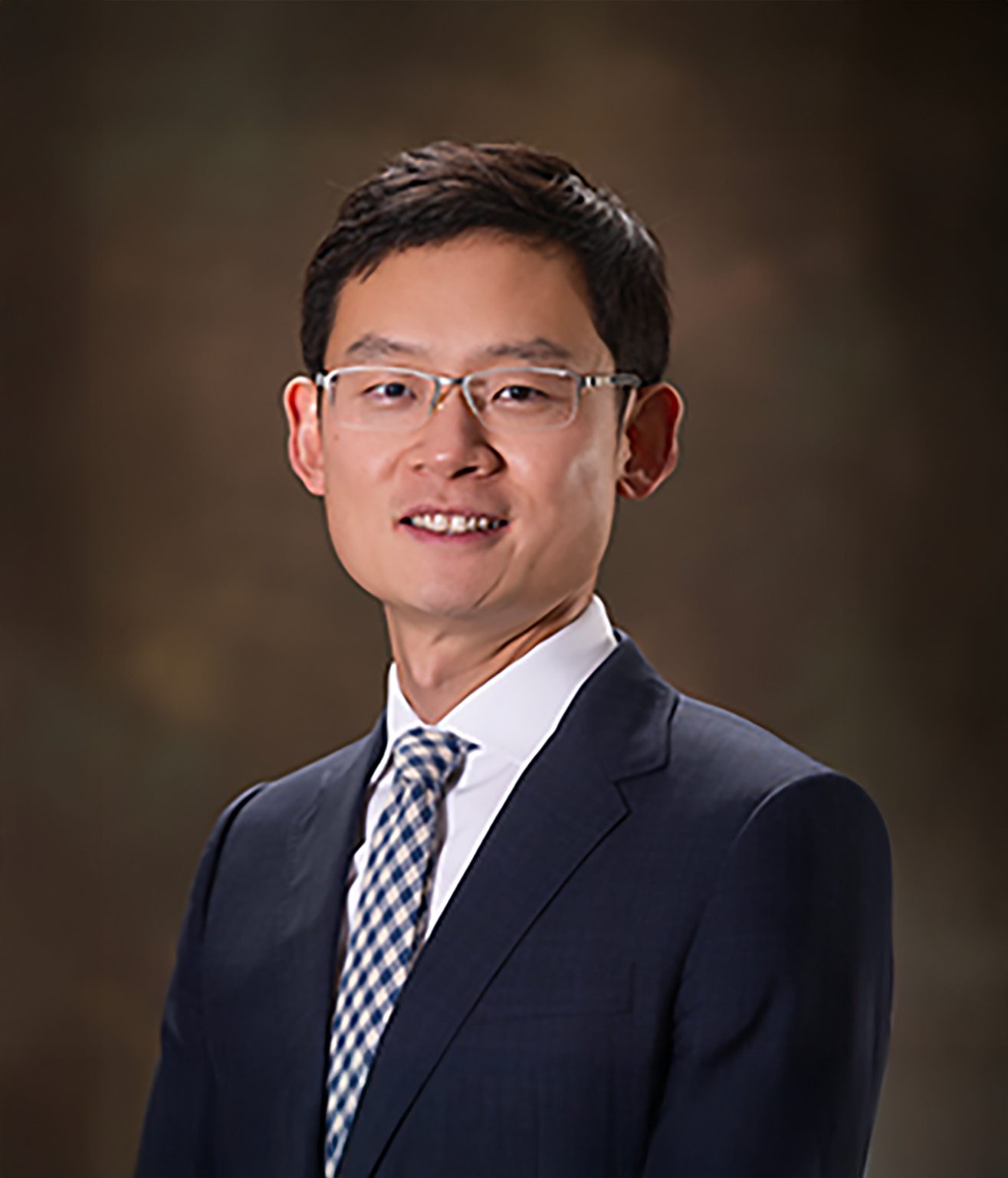
Hear from
the professors
“My speciality is geospatial intelligence or GeoINT—a field that blends satellite imagery, mapping, and big data to solve real-world problems. I like to tell my students: every time you open Google Maps to find the fastest route to Kyle Field on game day, you’re relying on geospatial intelligence. The same methods that guide you through traffic also guide military missions, track the spread of disease, and help first responders find safe landing zones during disasters.
It’s about taking location-based information and turning it into insight. I’m thrilled that our department recently launched new coursework and a certificate in geospatial intelligence. This skill set is in high demand across government, defence, business, and emergency management. My role is to bring my real-world experience to the classroom, so students leave knowing both the opportunities and responsibilities of the field.
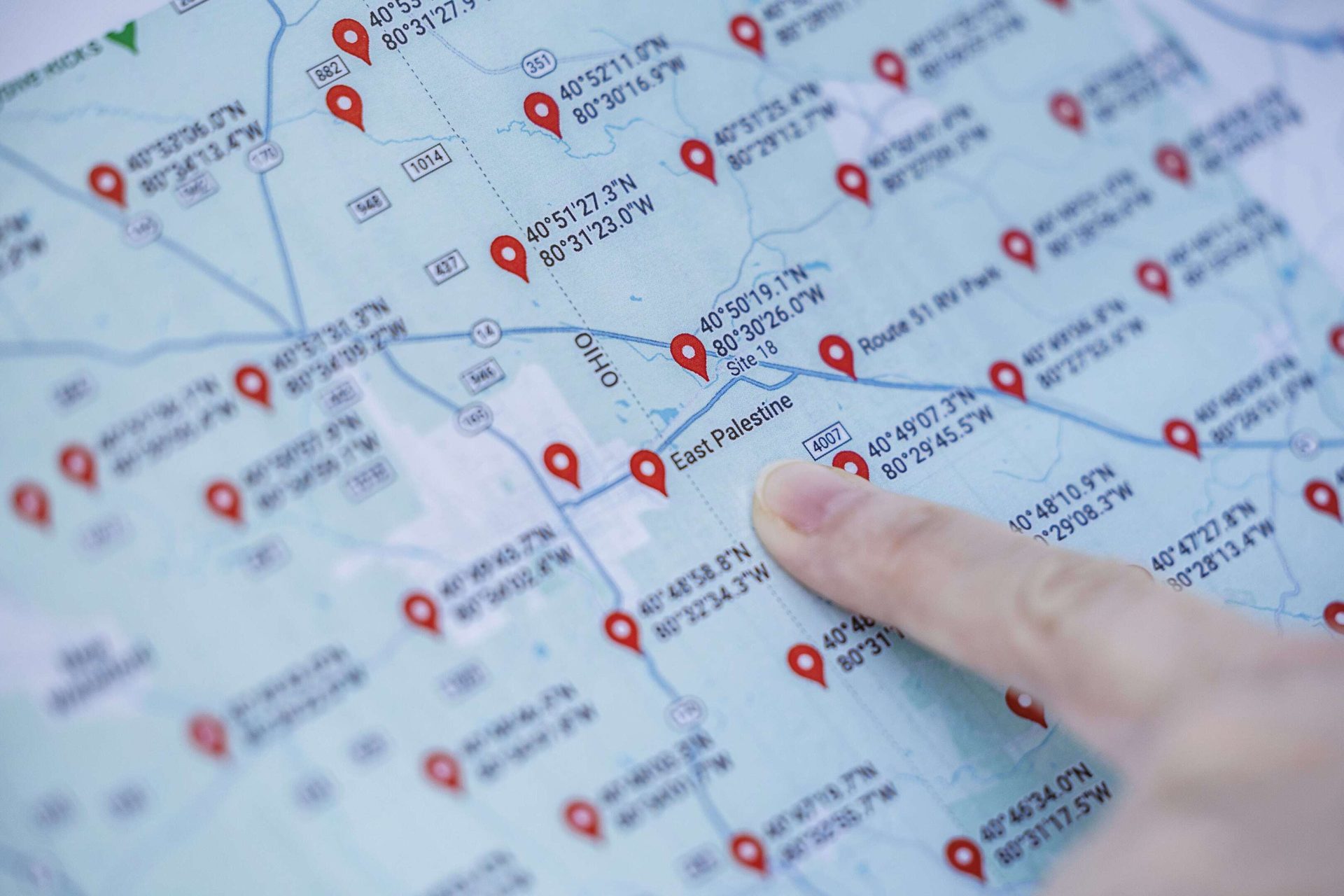
In class, we analyse how GEOINT shaped major events like the Cuban Missile Crisis, the Ebola outbreak in Africa, and the Iraq War. Sometimes it was the key to success; other times, its limitations taught us invaluable lessons. My primary goal is to help students think critically and use these tools responsibly.
What excites me most about geospatial intelligence today is how technology is transforming the field. I remember spending a year manually counting fishing boats in Haiti, only to finish with inconclusive results. Now, artificial intelligence can do in a day what once took me a year—that frees analysts to spend more time thinking critically and making connections. AI won’t replace human insight, but it makes us even more effective.
Ultimately, my greatest hope is to spark curiosity and confidence in my students. I want them to see geospatial intelligence not just as maps and data, but as a powerful tool to make better decisions — for their communities, careers, and the world.”
Certificate in Geospatial Intelligence 25 years at the Central Intelligence Agency + the National Geospatial-Intelligence Agency
Elizabeth Sherman
“Our graduates leave this programme with a disciplined approach to data quality, equipped not only with the technical skills but also the mindset to implement and sustain high standards in any organisation.
They understand that a well-designed data management plan is the backbone of producing valuable data and avoiding costly business risks, and they appreciate the importance of regularly evaluating data models, architectures, and workflows to ensure data remains accessible and of the highest quality throughout its lifecycle. By integrating data management with governance, our graduates are prepared to guarantee data integrity and usability for all stakeholders.
They know that data governance is more than just rules — it is the driving force behind an organisation’s commitment to trustworthy data. With this foundation, our graduates are empowered to take initiative, drive meaningful improvements, and help organisations establish and advance their data governance maturity, making them valuable assets to any employer."
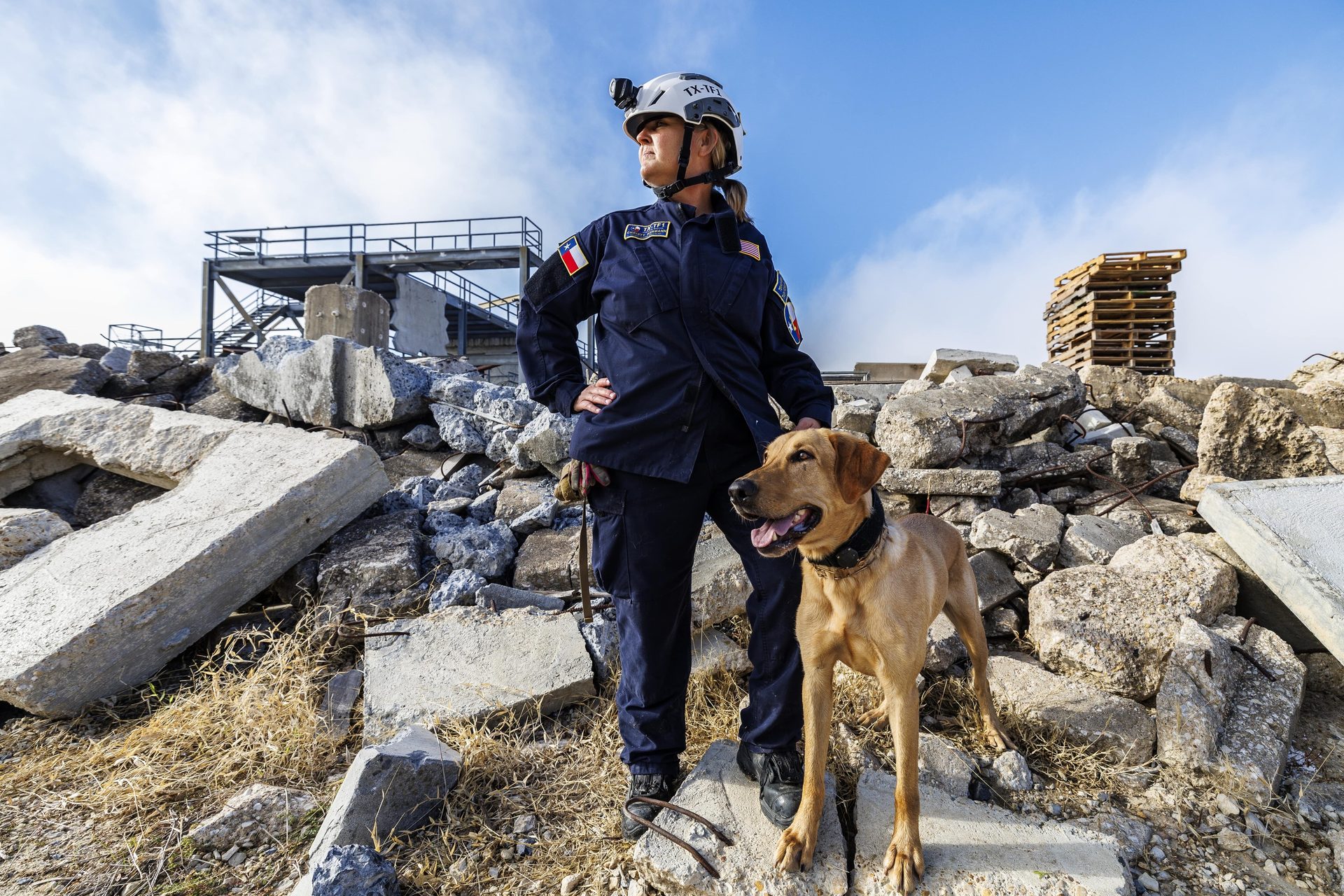
Lecturer – Oceanography Department – College of Arts and Sciences
Leila Belabbassi
Hear from the students
“The online Master of Geoscience at Texas A&M gave me the opportunity to continue my education right after retiring from the army without having to relocate, and thanks to flexible application deadlines. The foundation it laid inspired me to pursue a PhD in Geological Sciences.”
Michael A. Cox, US
Master of Geoscience graduate
Master of Geoscience graduate
Michael A. Cox, US
Master of Geoscience graduate
“The MGsc programme fundamentally changed the way that I do Earth systems research because the education that I received was not a narrow technical training in spatial analysis, GIS programming and remote sensing, but rather, I learned to read landscapes as natural instruments, where every feature has a story to tell about the tectonic forces, atmospheric processes, and dynamics of deep time that have shaped the earth over millions of years.”
Yusif El-Awawdeh, US
Master of Geoscience graduate
Master of Geoscience graduate
Michael A. Cox, US
Master of Geoscience graduate
An enriching experience awaits at Texas A&M Department of Geography