Partner content


Humanities from a non-Western POV
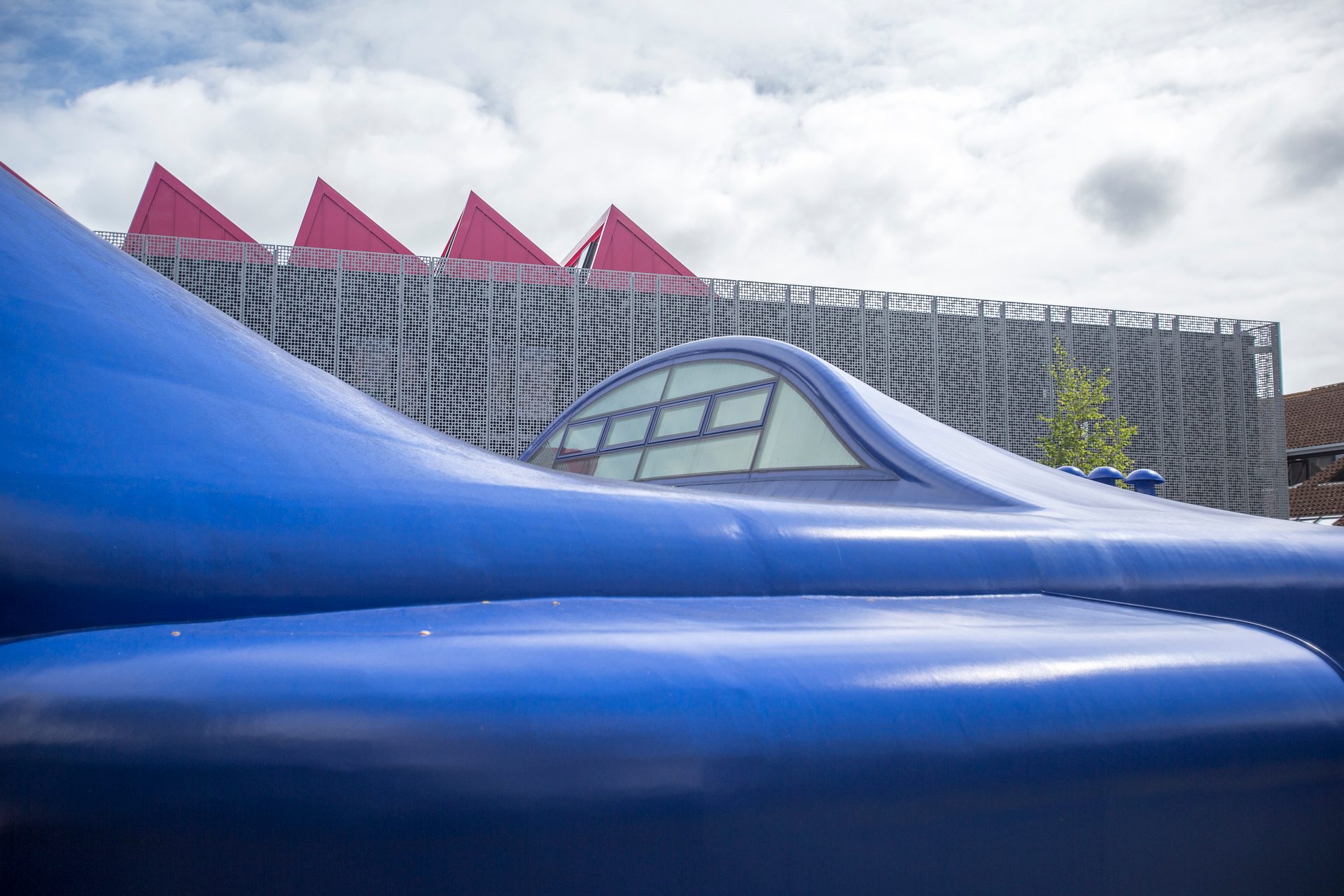

SOAS University of London moves to the beat of its own rhythm. Where most universities in Europe design their programmes from the lens of Western dominance, SOAS is the only institution to focus on amplifying the voices of Asia, Africa, and the Middle East alongside their diaspora communities.
For more than 100 years, the experts at SOAS have brought forth non-Western, decolonial narratives through scholarship in the arts, humanities, language learning, and linguistics. At the College of Humanities, you will learn to understand and analyse undiscovered stories through interdisciplinary curricula and cutting-edge research — immersing yourself in experiences that cross regions and cultures to prepare for a career in an interconnected world.
– Graeme Earl, Dean of the College of Humanities.
“The College of Humanities is a special place, it brings together so many perspectives on the crucial questions of our world and, in doing so, creates a community of learning that feels unique and immersive.”
5,500+
students from 133 countries
200+
postgraduate programmes
2nd
in the UK for its international faculty
28th
in Europe for student diversity
In the College of Development, Economics and Finance, students gain the skills and knowledge necessary to tackle the global issues plaguing these industries in SOAS regions. Through a curriculum that's embedded in real-world scenarios and applications, and the brilliant minds of around 200 researchers coming together — you'll have the resources to bring solutions to global problems across labour and social movements, inequalities and gender dynamics, climate change, and more. You'll dive headfirst into an environment that prioritises interdisciplinary and pluralist learning, so it's a guarantee that everyone's voices are heard.
High-impact degrees to change the world
In the College of Development, Economics and Finance, students gain the skills and knowledge necessary to tackle the global issues plaguing these industries in SOAS regions. Through a curriculum that's embedded in real-world scenarios and applications, and the brilliant minds of around 200 researchers coming together — you'll have the resources to bring solutions to global problems across labour and social movements, inequalities and gender dynamics, climate change, and more. You'll dive headfirst into an environment that prioritises interdisciplinary and pluralist learning, so it's a guarantee that everyone's voices are heard.
High-impact degrees to change the world
Changing the world, one degree at a time
The College of Humanities makes addressing the world’s most pressing issues a daily priority. Here, 300 researchers are working to create a just world, supported by SOAS’s vast array of UK-based and international partners. That means the opportunity to create positive change is right on campus, alongside academics who are renowned in their fields, from literature in the Middle East to Taoist thought to the cinemas and popular cultures of Asia.
Whether it’s researching food insecurity, refugee resilience, or transnational feminism, the School of Anthropology, Media and Gender brings unrivalled expertise on culture, media, and society across the Global South and beyond — and it's the only one of its kind in the UK.
Home to three departments, research-led teaching, and a world-class faculty, this is the place to be for tackling new and challenging questions head-on. There is no questioning the school’s quality and prowess, as it's ranked 16th in the UK and 18th in the world for anthropology.

School of Anthropology, Media and Gender
Passionate about highlighting the works of underrepresented artists? At the School of Arts, each day brings you into dialogue with the visual and material cultures of Asia, Africa, the Middle East, and beyond through music, media, and digital cultures that define contemporary life.
Such wide-ranging expertise is rare. Researchers are exploring the depths of architecture, sculpture, and painting in Southern India, decolonial and feminist approaches to filmmaking, classical music of the Arab Mashriq, and more.
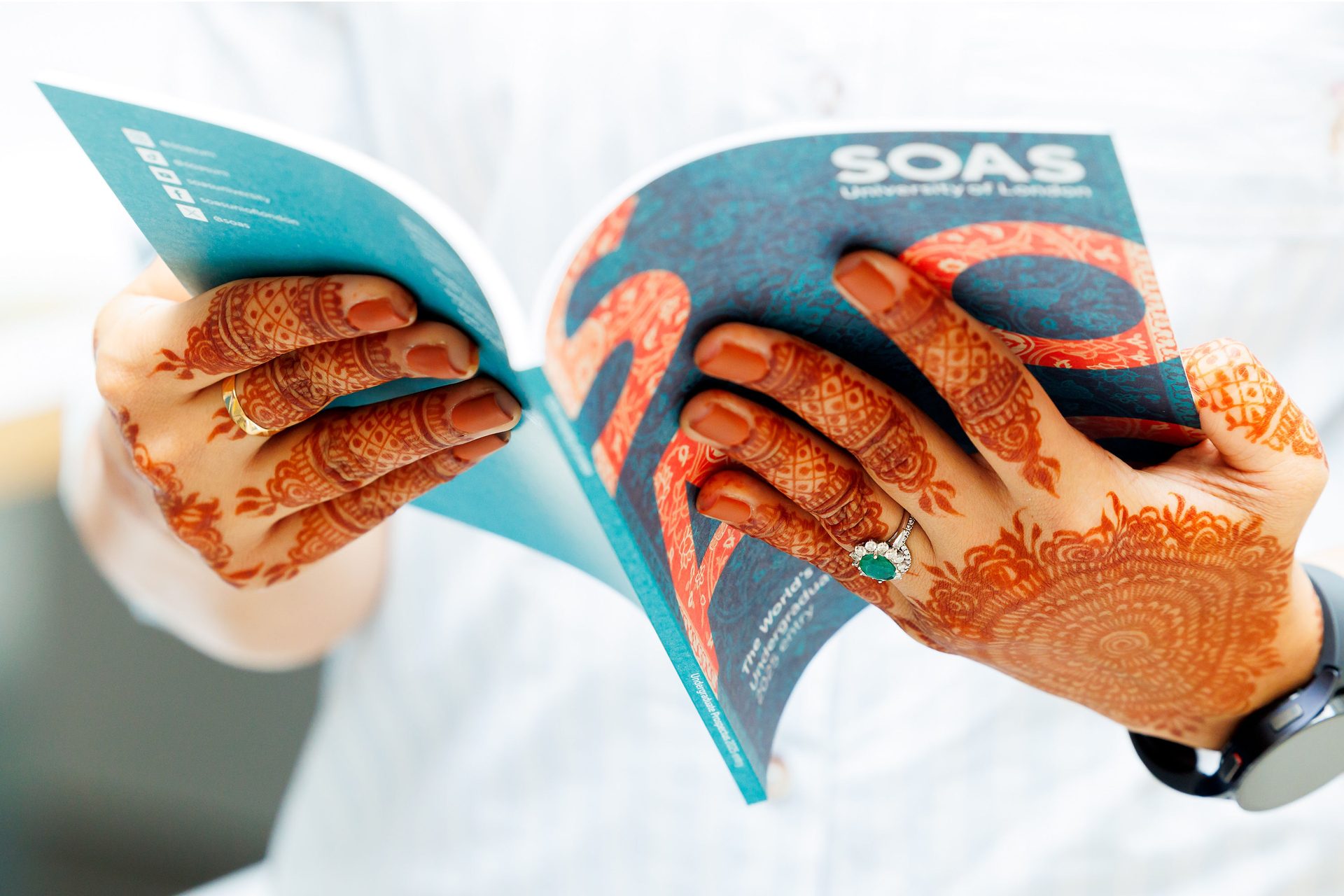
School of Arts
The world is inherently connected. To understand it, one must look beyond Western frameworks and engage with histories, religions, and philosophies shaped by diverse traditions. This is a daily mission at the School of History, Religions and Philosophies, where global, decolonial, and inclusive perspectives are emphasised.
SOAS ranks #44 in the world for history, with scholarship that spans topics in culture, religion, gender, economics, law, politics, technology, and warfare. Religion and philosophy are studied using an intercultural approach, with faculty members specialising in areas such as Japanese Tantric Buddhism, Zoroastrianism, Islam, post-Kantian philosophy, and more.
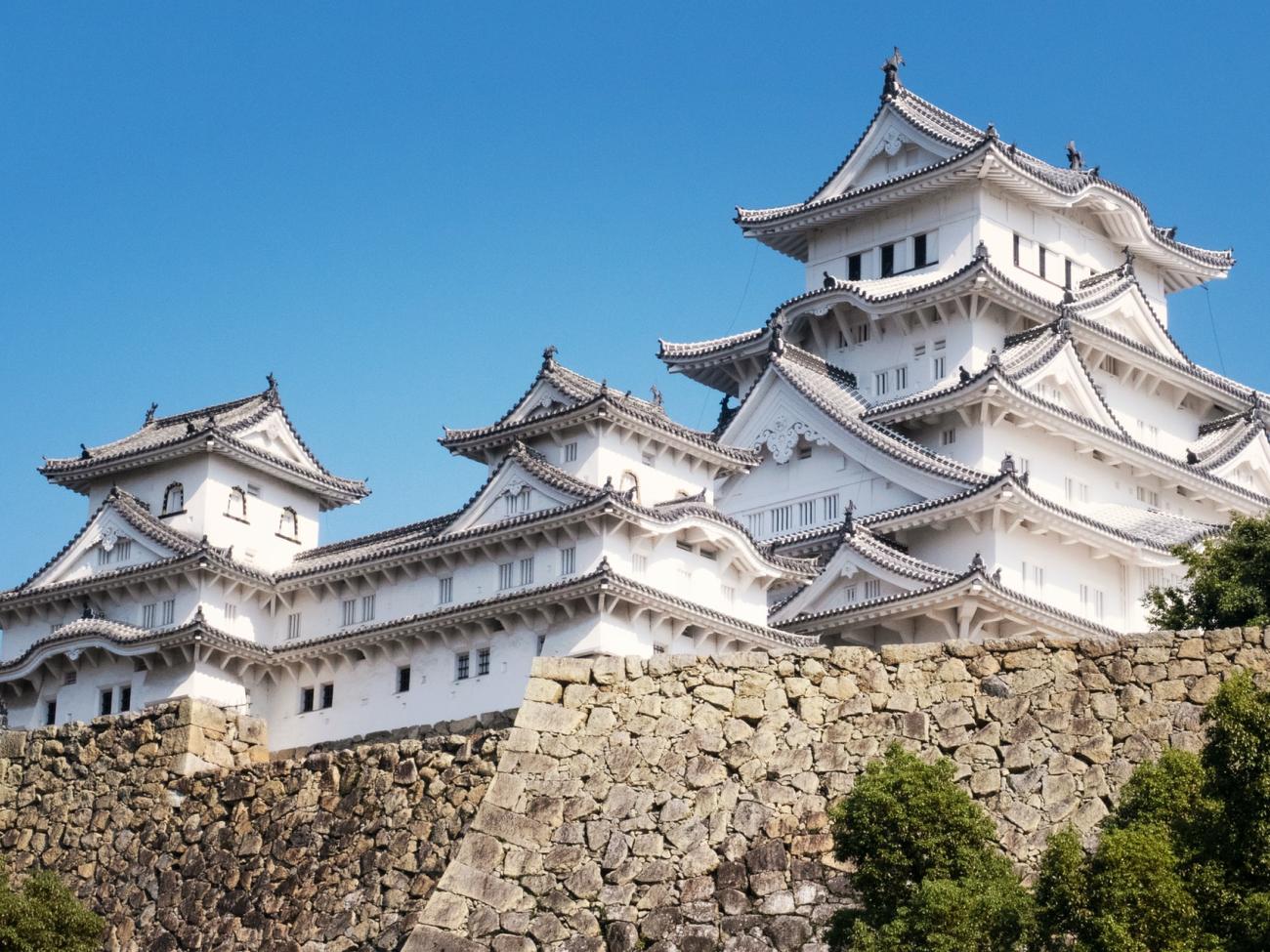
School of History, Religions and Philosophies
From examining the evolution of Arabic in multilingual contexts to the cultural reverberations of Nepal’s 2015 earthquakes — the School of Languages, Cultures and Linguistics offers a lens into how language and society shape one another.
Across its undergraduate and postgraduate programmes, SLCL allows you to specialise in a particular region, be it Japan and Korea, South East Asia, or the Middle East, with hands-on learning opportunities to develop transferable, career skills. You can also pursue an intensive or less intensive language alongside your degree, with unique options like Swahili, Amharic, Hindi, Persian, and more.
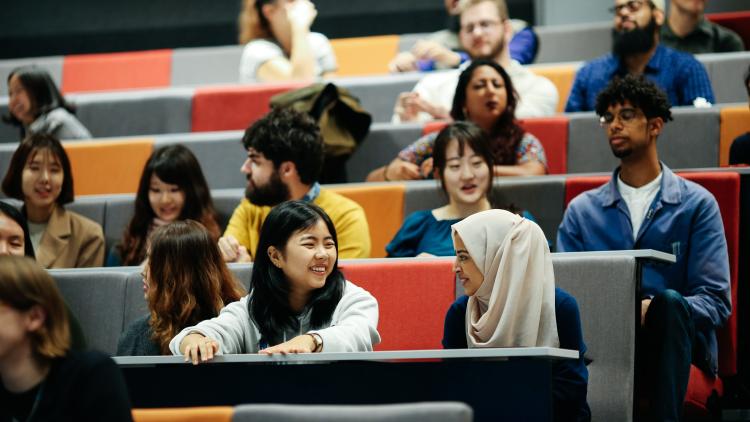
School of Languages, Cultures and Linguistics
Develop a competitive edge, advance your career
Supporting the students before and after graduation is the SOAS Careers team, which uses data-driven research and staff and industry expertise to design its professional development opportunities. Whether you’re a full-time, part-time, in-person, or online student, you can access resources such as one-on-one advising, alumni workshops, digital tools, and more.
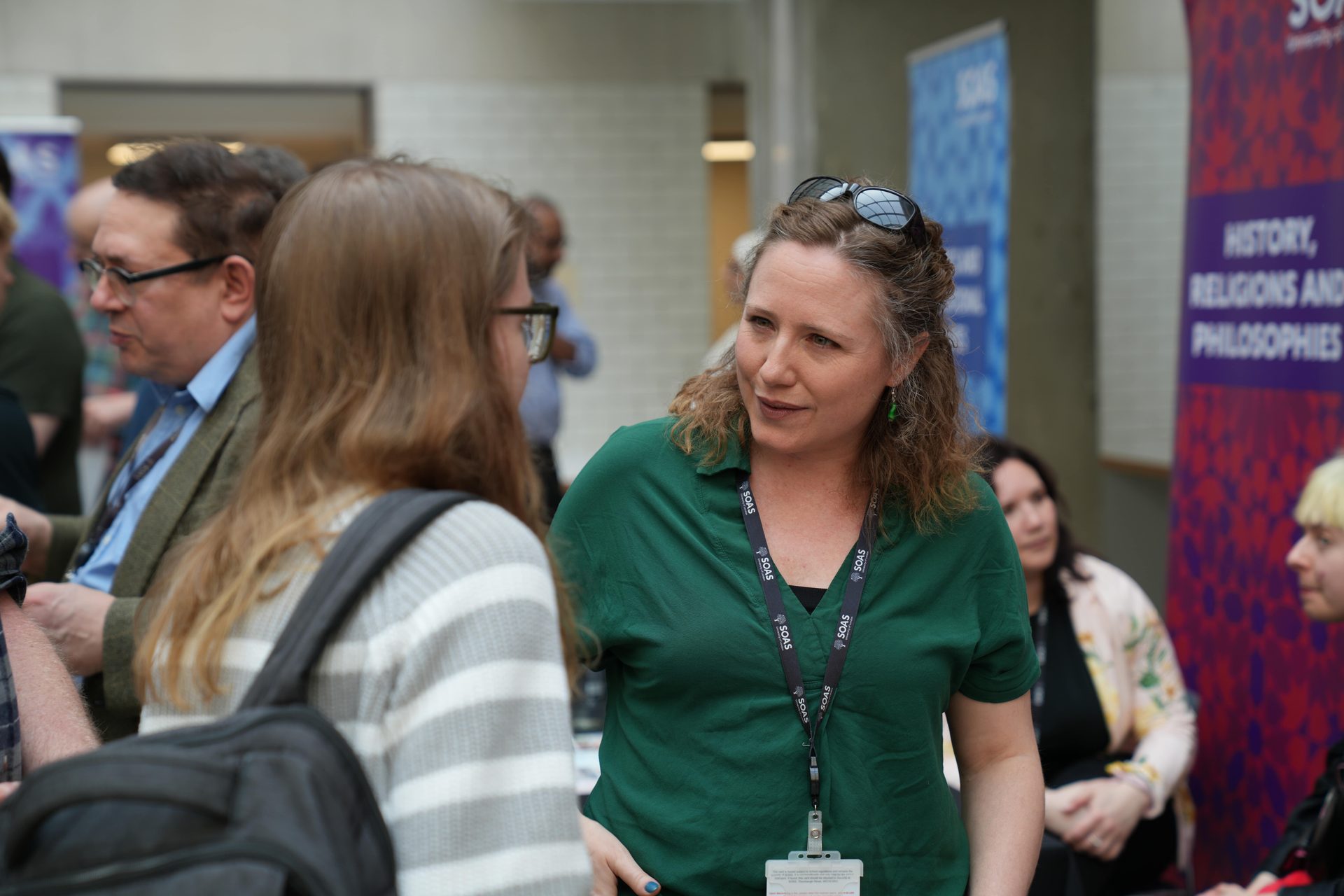
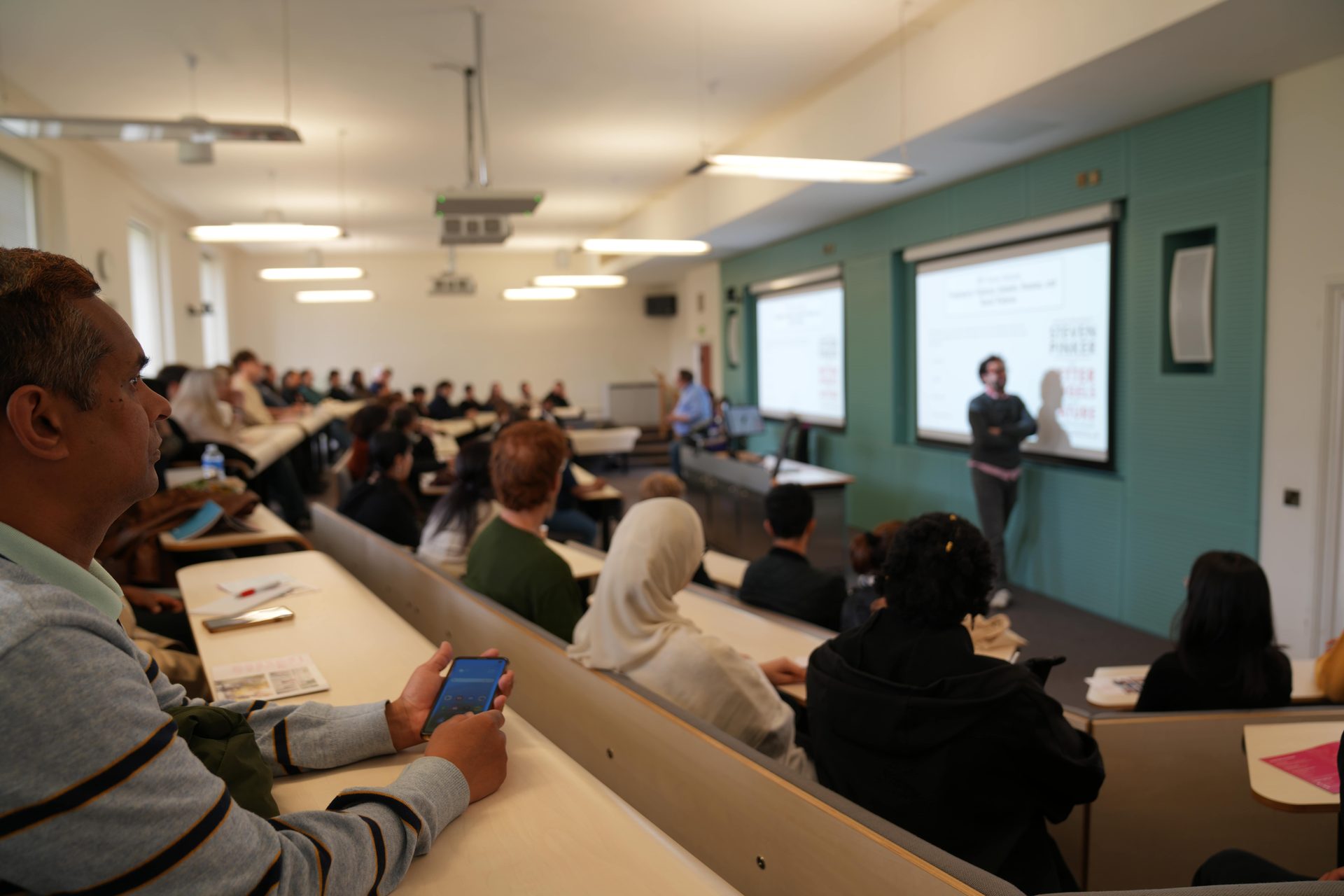
The career-driven programmes at the College of Humanities provide industry experiences and networking opportunities, with many postgraduate students pursuing a work placement in a real-world setting. Today, SOAS’s 75,000 alumni have built successful careers worldwide. The BBC, the National Museum of Korea, UNICEF, World Bank Group, and countless more — renowned companies and organisations have recognised the capabilities of SOAS graduates in making a positive difference.
Hear from students
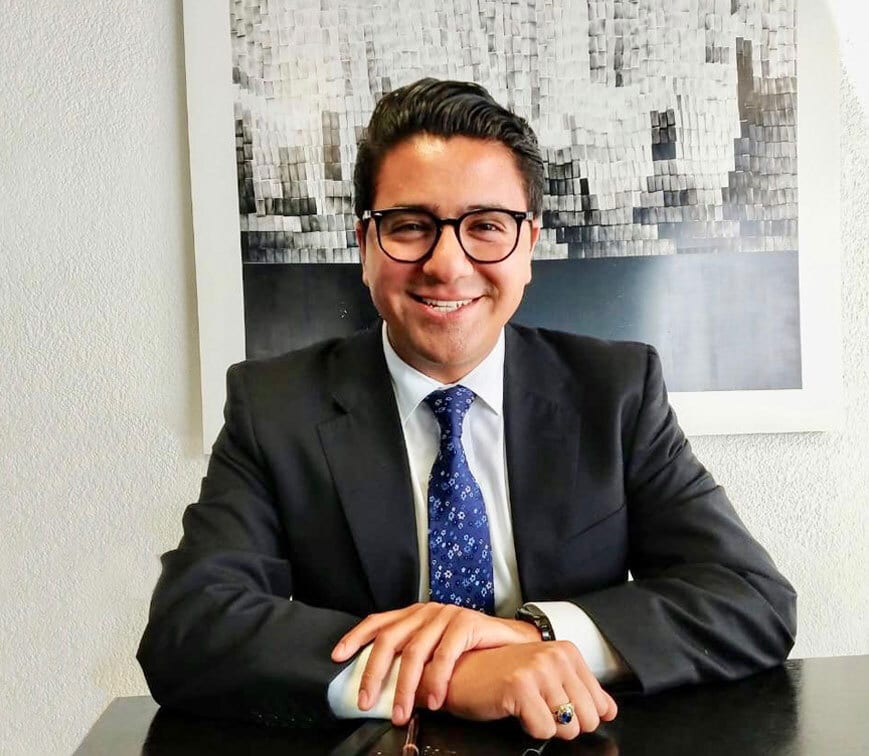
“What I appreciated most was the academic culture that fostered creative and critical thinking, as well as an atmosphere of respect for the views and opinions of students. Professors were always approachable, accessible, and committed to making sure that the materials covered in seminars were diverse and of interest to students.”
Natalio Lanko, MA History
Pim Fitzpayne, MA History of Art and Archaeology
“Throughout my MA, I was aware of a wide range of opportunities available to SOAS students and took advantage of some that were specifically intended for School of Arts students and reflected my career interests. I attended a panel event on careers in auction houses, with SOAS alumni now working at Bonhams, Christie’s and Sotheby’s, and undertook two internships."
Juliet Tempest, MA Anthropology of Food
“The professors’ investment in their courses and accessibility outside them, the camaraderie among similarly passionate students, the number of events on campus and nearby — and indeed the opportunity to live and study in London — all delivered on my greatest hopes.”
Hear from students
Natasha Natarajan,
MA Creative and Cultural Industries
“At SOAS you are constantly confronted with the diversity of the globe. Professors specialise in regions and practices that you may never have encountered. This really shaped my entire personality – my favourite literature, my favourite music, visual art, and my understanding of world history and politics. It’s also shaped the type of people I befriend and the communities I belong to. SOAS gave me a unique global perspective, which I’ve carried with me throughout my adult life, and really enriched my experience of the world.”

“SOAS’s diverse academic environment and culturally rich curriculum have broadened my perspective immensely. The diverse backgrounds of my classmates and the multidisciplinary approach of my programme have broadened my perspective on global heritage, identity, and representation. Every class discussion introduces new insights into how cultures communicate through objects, stories, and rituals. This experience has deepened my appreciation of cultural diversity and the complexities of representing these narratives in museums.”
Subhadra Ramaswamy,
MA Curating Cultures ‘22

“SOAS provided an invaluable environment to practise and think critically about music across cultures. Its applied approach, with learning and performance opportunities across musical traditions, was empowering and deeply meaningful to engage with peers from around the world. My studies highlighted politics and power imbalances inherent in music-making, engaging critical and decolonial theories to consider tangible ways of encouraging creative agency.”
Claudia Huang,
MA Music
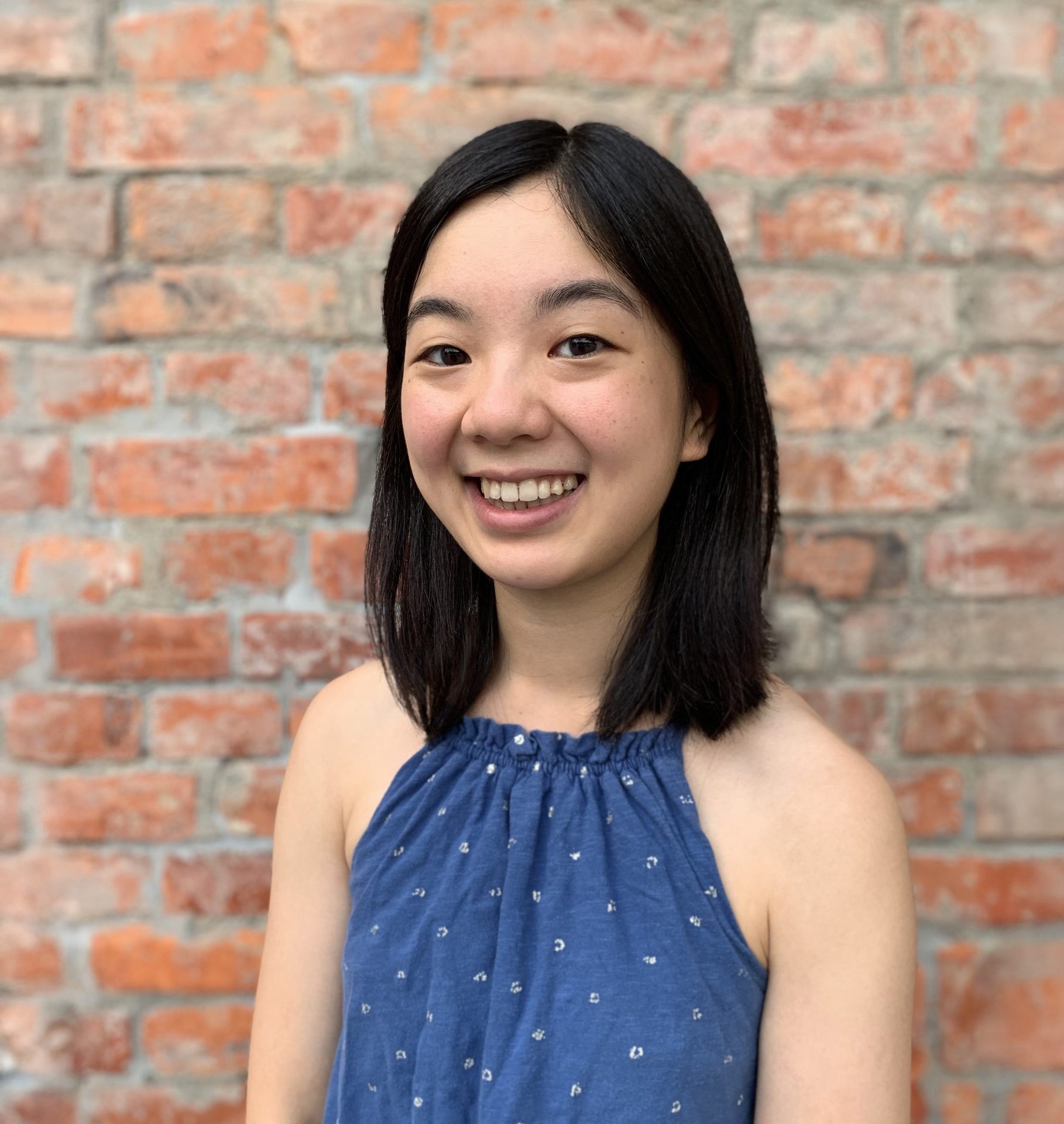
“SOAS provided an invaluable environment to practise and think critically about music across cultures. Its applied approach, with learning and performance opportunities across musical traditions, was empowering and deeply meaningful to engage with peers from around the world. My studies highlighted politics and power imbalances inherent in music-making, engaging critical and decolonial theories to consider tangible ways of encouraging creative agency.”
Claudia Huang,
MA Music


Copyright © 2025 Study International, official representative of SOAS University of London - College of Humanities