At Rhodes Business School, part of the Faculty of Commerce, the AMBA-accredited MBA is grounded in the theme “Leadership for Sustainability.” You’ll find that every subject weaves in sustainable leadership principles. You’ll learn how to balance economic success with social and environmental responsibility. Teaching is guided by the school’s 4E model — Economy, Ethics, Ecology, and Equity. Your coursework will include a mix of core and elective modules, assessed through assignments, tests, or exams, which make up 67% of your degree. You’ll need to pass each module. The remaining 33% comes from a research mini thesis, which you must also complete successfully.
Read MorePartner content



Purpose-driven programmes and research
What if your university experience could be personal, powerful, and purpose-driven all at once? At Rhodes University, in South Africa, that’s exactly what you’ll find. Located in Makhanda — a small, historic town known for its vibrant arts scene and intellectual energy — Rhodes offers a close-knit, community-focused education. With just over 9,000 students, its size allows for individual attention, meaningful relationships, and hands-on learning through real-world projects that impact local communities.
To support this community with 54 countries represented, the university’s Global Engagement Division offers comprehensive assistance, from visa guidance to cultural integration, ensuring a smooth transition into a dynamic and inclusive academic environment.
1904
Founded in
10%
Over
international students
67%
female students
Small campus, big research impact
Rhodes University is home to six faculties: Humanities, Education, Science, Pharmacy, Law and Commerce, each supported by various departments and research units.
Today, around 28% of the student body are postgraduates, and that number is set to grow through the Institutional Development Plan focused on research excellence and capacity building.

That means, if you choose to pursue a master’s or doctoral degree here, you’ll work alongside award-winning researchers who’ll guide you as you develop specialised expertise and conduct original research. You’ll also have access to 24/7 postgraduate library facilities.
If you need extra support, the Centre for Postgraduate Studies offers writing retreats, training, and tailored academic guidance. Rhodes also provides scholarships and funding to help you focus fully on your work.
Advancing global impact through six research themes
To help you align your research with national and global priorities, the university has identified six key Institutional Research Themes.
Water Security is about making sure we manage water in a sustainable way, especially with climate change, loss of nature, poor governance, and increasing demand. It looks at clean water, fair access, healthy ecosystems, and how water connects to food, energy, and health. This work builds on the university’s long history of water research.
Water Security
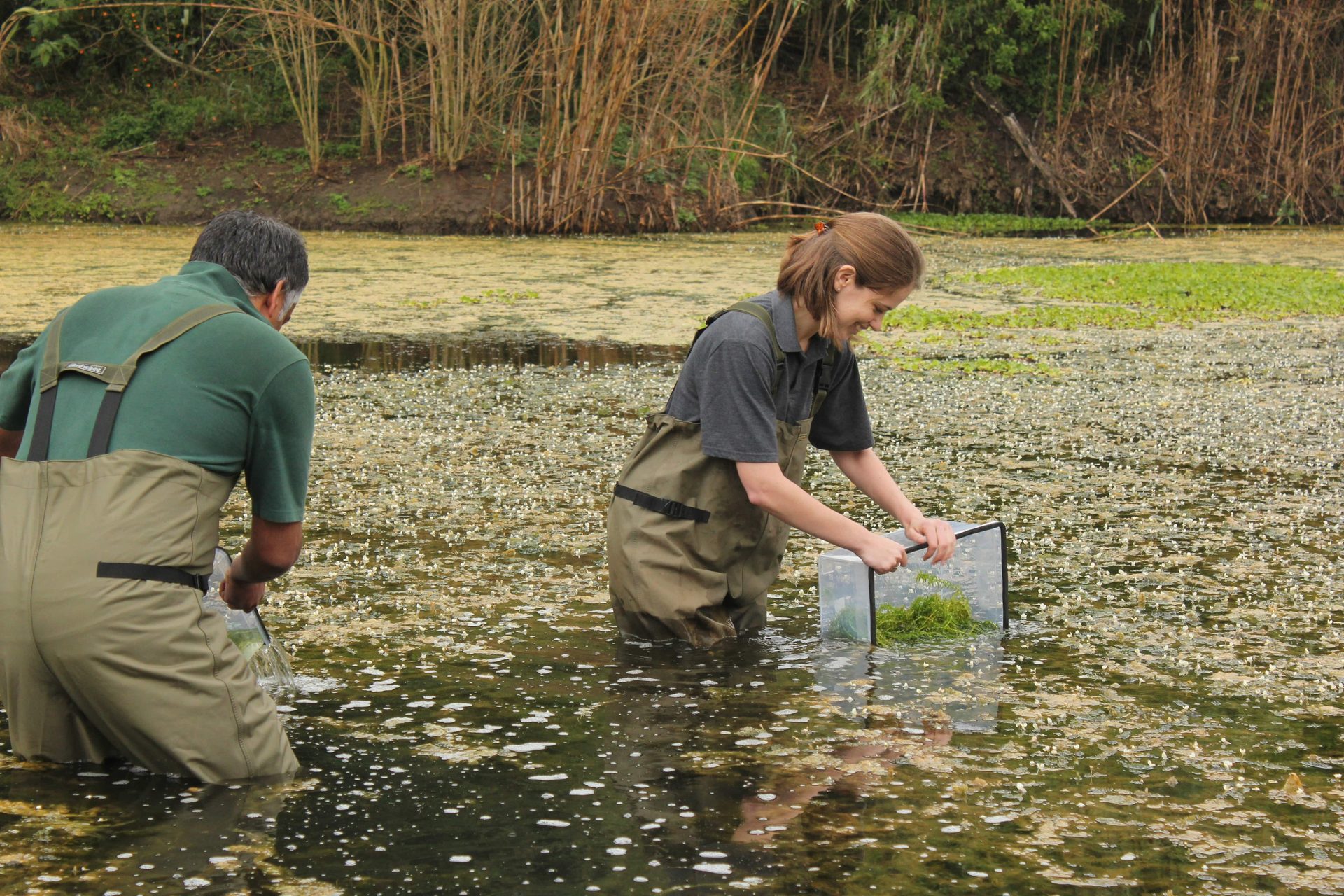
Nanotechnology Innovation leverages Rhodes University’s strengths in chemistry and material science to create tiny but powerful solutions for big challenges in health, energy, water, and the environment. It encourages teamwork across fields and drives innovation that helps society.
Nanotechnology Innovation

Radio Astronomy places the university at the heart of global astrophysics research, especially through South Africa’s involvement in the Square Kilometre Array project. It focuses on space discovery, big data, cutting-edge instruments, and growing talent in science and engineering.
Radio Astronomy

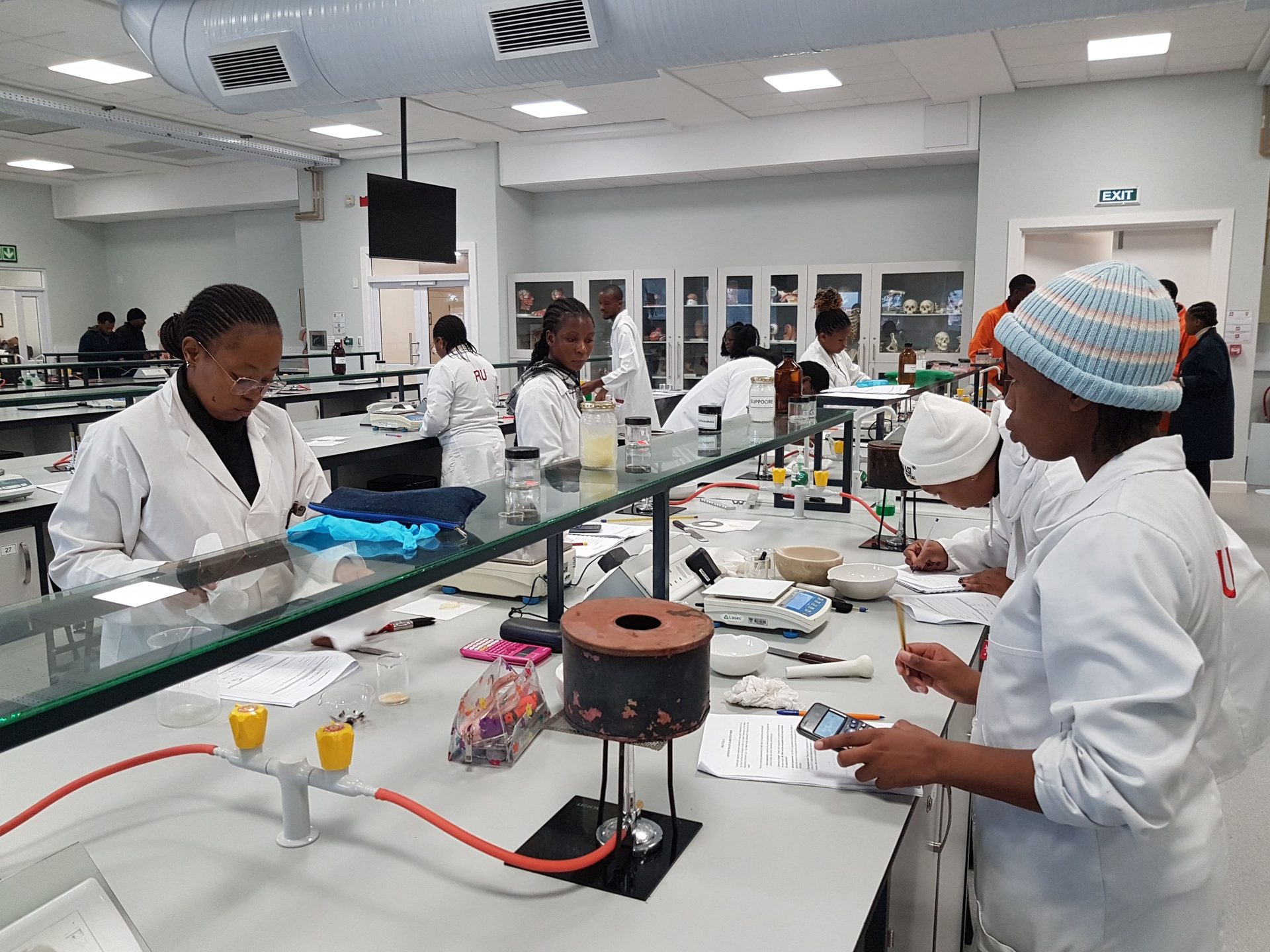
Drugs, Health, and Society looks at how medicines, both modern and traditional, are developed and used, how public health systems work, and how drug use is shaped by society. It brings together science, health, and the humanities to tackle tough health challenges, drawing on the university’s strong research in drug discovery, formulation, and diagnostics. Research Chairs in this theme include Professor Janice Limson, Professor Özlem Taştan Bishop, Professor Rosemary Dorrington, and Professor Adrienne Edkins. Their expertise span biotechnology, bioinformatics, marine biology, and molecular medicine.
Drugs, Health, and Society
Further reading:
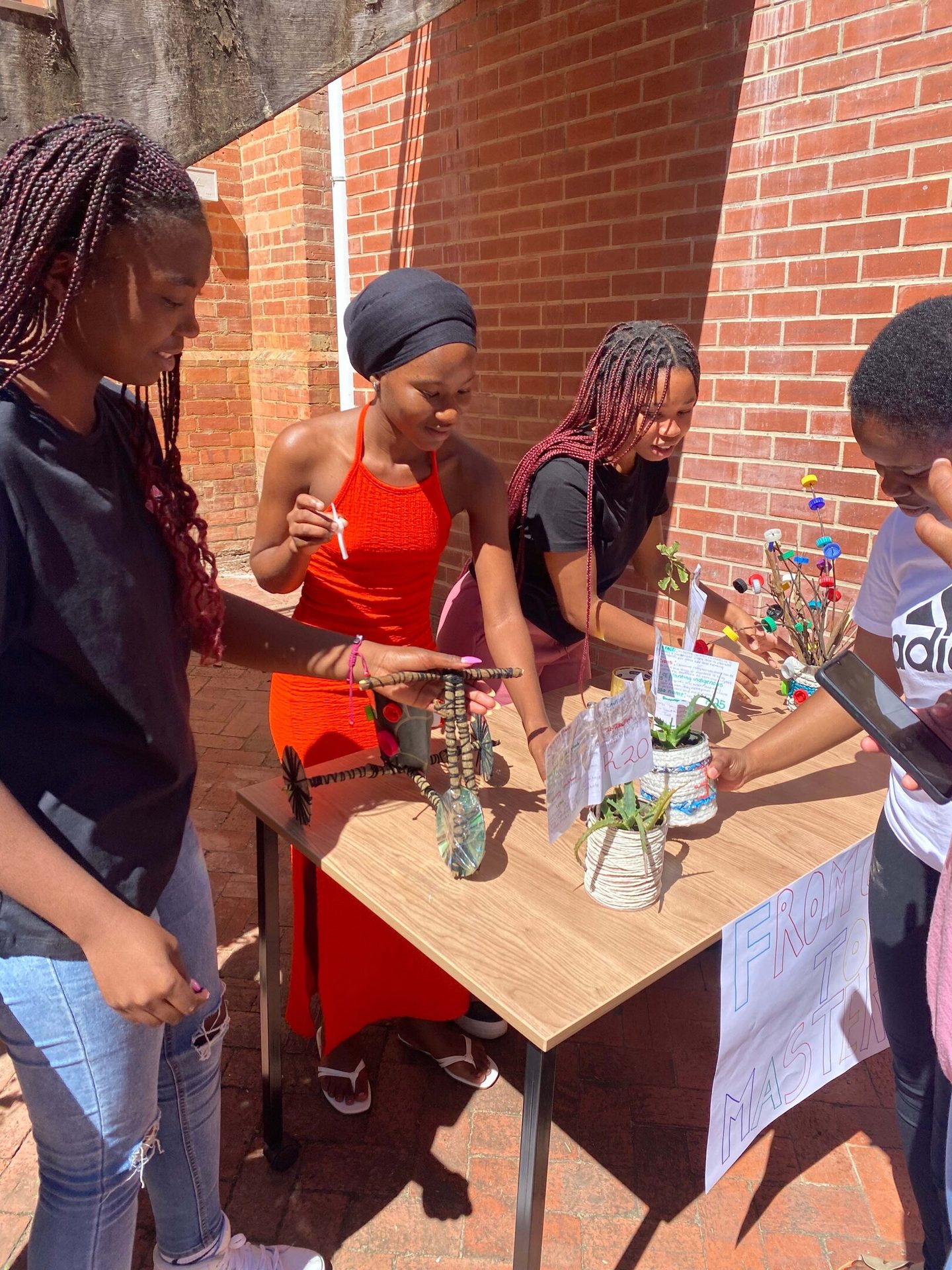
Rhodes University drives education for sustainable futures, blending environmental science, sustainability education, and community engagement. Through interdisciplinary research and creative knowledge-sharing, it cultivates learning from early education to university level. This approach empowers society to care, grow, and lead toward a thriving, inclusive, and sustainable future for all.
Sustainable education futures
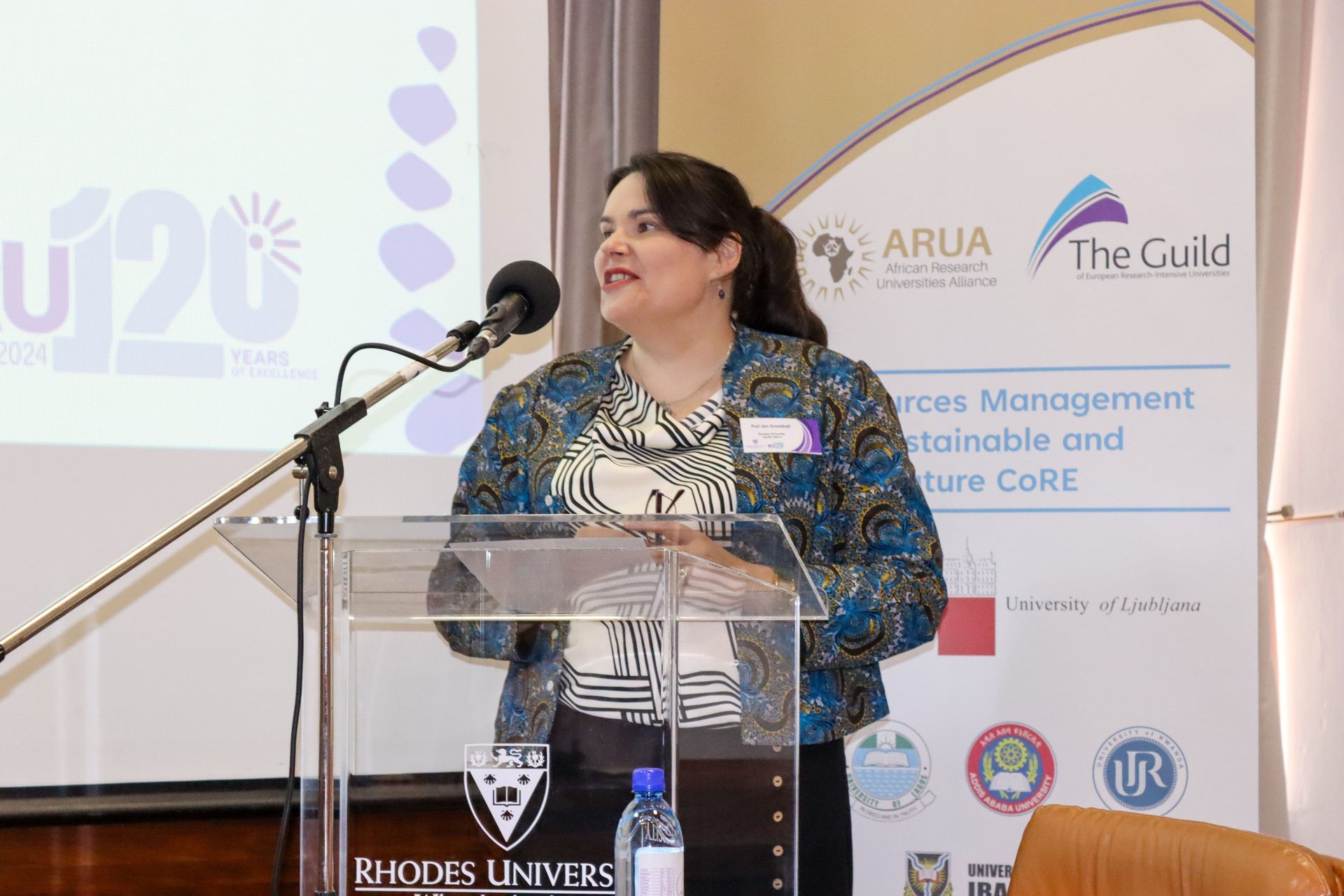
Environments, Ecologies and Economies explores how nature, economic growth, and social justice are closely connected. It encourages place-based, cross-disciplinary research to tackle issues like biodiversity loss, climate change, and the need for sustainable ways of living. Professor Jen Snowball, Chief Research Strategist at the South African Cultural Observatory (SACO), advances this work through her focus on cultural and environmental economics. With Professor Emeritus Gavin Fraser, she co-leads the Environmental and Natural Resource Economics Focus Group (ENREFA), where graduate researchers study water footprints, sustainability, energy economics, and local development, in collaboration with the African Studies Centre.
Environments, Ecologies and Economies
Further reading:
Relevant Stories
Five ways Rhodes University offers the ultimate student experience
Rhodes has the country’s best undergraduate pass and graduation rates, successful postgraduates, and top-tier research output per academic staff member.Here are five ways Rhodes University stands out in providing a student-centered, impactful education.
4 universities to advance your postgraduate experience
For many sectors like engineering, the more you aim to advance in a work position, the more likely the company is going to require some form of a postgraduate pursuit. We’ve listed four schools with leading postgraduate programmes across the globe.
Five ways Rhodes University offers the ultimate student experience
Rhodes has the country’s best undergraduate pass and graduation rates, successful postgraduates, and top-tier research output per academic staff member. Here are five ways Rhodes University stands out in providing a student-centered, impactful education.
4 universities to advance your postgraduate experience
For many sectors like engineering, the more you aim to advance in a work position, the more likely the company is going to require some form of a postgraduate pursuit. We’ve listed four schools with leading postgraduate programmes across the globe.
This programme equips you for the fast-moving world of finance. Designed as a two-year, full-time programme, it combines coursework with a dissertation. You’ll explore how financial markets work and the environment in which they operate. As part of the course, you’ll write industry exams set by South Africa’s financial exchanges, right on campus, giving you both academic depth and practical experience.
Read moreThe Department of Linguistics and Applied Language Studies offers a high-quality, flexible postgraduate programme. With only 20 to 40 postgraduate students at a time, the department maintains a small, close-knit environment that allows learning to be tailored to each student’s needs. In the first year, all postgraduate students attend face-to-face classes. After that, they can study remotely, returning once or twice a year for conferences and meetings.
Student Osondu Unegbu describes the programme as both exciting and rewarding, saying, "The RU Linguistics coursework modules and yearly conference presentations helped me navigate my research interests more easily and complete my PhD on time."
Read moreStudent Osondu Unegbu describes the programme as both exciting and rewarding, saying, "The RU Linguistics coursework modules and yearly conference presentations helped me navigate my research interests more easily and complete my PhD on time."
The Department of Management, known for its strong track record in postgraduate supervision, offers master’s and PhD studies for aspiring researchers and professionals. You can choose between the Management Honours and Financial Management Honours programmes, both designed to provide advanced knowledge and sharpen research skills.
Part of the Faculty of Commerce, the department offers a wide range of research areas for those ready to explore complex business challenges. These include capital markets research, consumer behaviour, cross-cultural management, e-business and e-commerce, entrepreneurship and small business management, strategic management, and more. Students are encouraged to pursue topics that align with their professional goals and academic interests.
“Our financial management curriculum was quite similar to that of the CFA programme, thus students who wanted to pursue a professional finance career could easily prepare for the CFA/CFP certification exam,” says graduate Quintabella Andangnui.
Read more Part of the Faculty of Commerce, the department offers a wide range of research areas for those ready to explore complex business challenges. These include capital markets research, consumer behaviour, cross-cultural management, e-business and e-commerce, entrepreneurship and small business management, strategic management, and more. Students are encouraged to pursue topics that align with their professional goals and academic interests.
“Our financial management curriculum was quite similar to that of the CFA programme, thus students who wanted to pursue a professional finance career could easily prepare for the CFA/CFP certification exam,” says graduate Quintabella Andangnui.
Higher Education Studies is an interdisciplinary field that explores the university sector through lenses such as sociology, psychology, economics, history, political science, and education. Though based in the Faculty of Education, the programme reaches far beyond it. You’ll engage with topics like university funding and quality assurance to teaching, learning, and the role of universities in the knowledge economy.
As a PhD candidate with the Centre for Higher Education Research, Teaching and Learning, you’ll follow six online modules covering everything from theoretical frameworks to research ethics. You’ll receive expert supervision and become part of a vibrant academic community through seminars, discussion forums, and collaborative research meetups.
Read moreAs a PhD candidate with the Centre for Higher Education Research, Teaching and Learning, you’ll follow six online modules covering everything from theoretical frameworks to research ethics. You’ll receive expert supervision and become part of a vibrant academic community through seminars, discussion forums, and collaborative research meetups.
At the JMS School, you’ll complete your PhD through a full thesis under the guidance of a supervisor. Your acceptance depends on your academic background, research interests, and whether a suitable supervisor is available. You can choose to study full-time or part-time, on campus or remotely, based on what works best for you and your supervisor.
Priority is given to themes like creative cultures, digital technologies, communication pedagogy, Indigenous media, digital inclusion, and rural or township-focused research.
Read more Priority is given to themes like creative cultures, digital technologies, communication pedagogy, Indigenous media, digital inclusion, and rural or township-focused research.
At the Faculty of Law, you can pursue your PhD by full thesis, giving you the freedom to focus on a topic that truly interests you. Without structured coursework, you’re in control of your schedule and can work at your own pace. You can choose to study full-time or part-time. Areas of supervisory expertise include African Customary Law, Constitutional Law, Human Rights Law, International Criminal Justice, and more.
Read moreGrow your impact through focused programmes
Grow your impact through focused programmes

At Rhodes Business School, part of the Faculty of Commerce, the AMBA-accredited MBA is grounded in the theme “Leadership for Sustainability.” You’ll find that every subject weaves in sustainable leadership principles. You’ll learn how to balance economic success with social and environmental responsibility. Teaching is guided by the school’s 4E model — Economy, Ethics, Ecology, and Equity. Your coursework will include a mix of core and elective modules, assessed through assignments, tests, or exams, which make up 67% of your degree. You’ll need to pass each module. The remaining 33% comes from a research mini thesis, which you must also complete successfully.
Master of Business Administration (MBA)





Follow the Rhodes University on
Copyright © 2025 Study International, official representative of Rhodes University