Partner content


Over 150 years of leadership and expertise. Advanced learning with real-world application. Award-winning faculty. Known as Canada’s “Food University.” World-class research centres and institutes. A living laboratory.
Since 1874, the University of Guelph’s Ontario Agricultural College (OAC) has pledged itself to redefining global food systems and connecting communities worldwide. OAC’s 360-degree approach to feeding the world is exactly why the university has emerged as #1 in Canada for agricultural and food science. Their mission is simple: to Improve Life.
Faculty, students, and alumni are dedicated to improving every part of the food system — from growing crops more sustainably and enhancing soil health to strengthening farms and ensuring food reaches those who need it most. Their impact, powered by U of G’s location in Ontario’s agricultural heartland just an hour from Toronto, drives innovation and improvement across food and agriculture and its connected disciplines.


Career-focused, course-based master’s
Nurturing future leaders is OAC’s course-based master’s programmes. Spanning one to two years, the curricula equip you with the technical knowledge to enhance your career, as well as the opportunity to connect with top industry employers.
Rather than defending a thesis and securing an advisor, these programmes allow you to earn your graduate degree by completing coursework and real-world technical training. Over 12 to 16 weeks, you’ll partake in a hands-on internship or industry-focused project with a relevant employer -- a great way to hone practical skills and boost your professional network. Students from around the world converge in these hands-on, advanced programmes to gain the career-defining skills they need while helping improve global food systems.

Check out these Course-based master’s programmes
The Master of Science (MABS) in Animal Biosciences lets you specialise in several areas: Animal Breeding and Genetics, Animal Nutrition and Metabolism, or Animal Behaviour and Welfare. In a single year, you’ll complete six courses and a major research project or 12- to 16-week internship — learning in high-quality research and lab facilities focused on genomics, nutrient analyses, physiology, welfare, meats and microbiology.
Animal Biosciences (MABS)
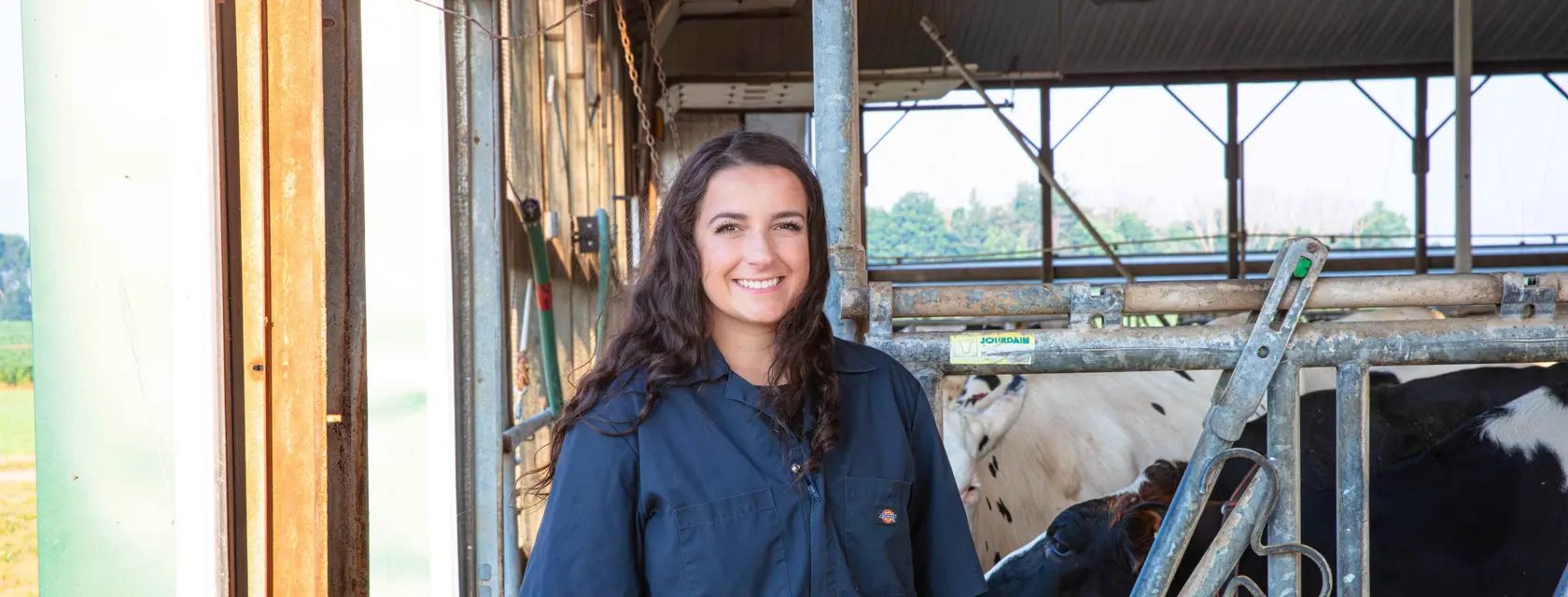
If working directly with communities is most important to you, the Master of Capacity Development and Extension is an ideal fit. Whether in social justice, crafting environmental solutions, or influencing stakeholders, it’ll guide you to make a difference both on a local and international scale. Regardless of your background or discipline, you’ll be immersed in an environment where decision-making, open communication, and conflict management are practised and valued. You'll gain the practical skills, critical perspectives, and hands-on experience you need to launch or accelerate a career in development, advocacy, or policy.
Capacity Development and Extension (CDE)

In the Master of Environmental Sciences programme, you will gain state-of-the-art knowledge in environmental science, policy, and sustainability to find solutions to the dangers plaguing our land, air, and water. Spanning one year, the programme allows you to grow and learn from globally recognised faculty with expertise across a wide spectrum of areas connected to environmental sciences, including controlled environment agriculture, toxicology, soil and water health.
Environmental Sciences (MES)
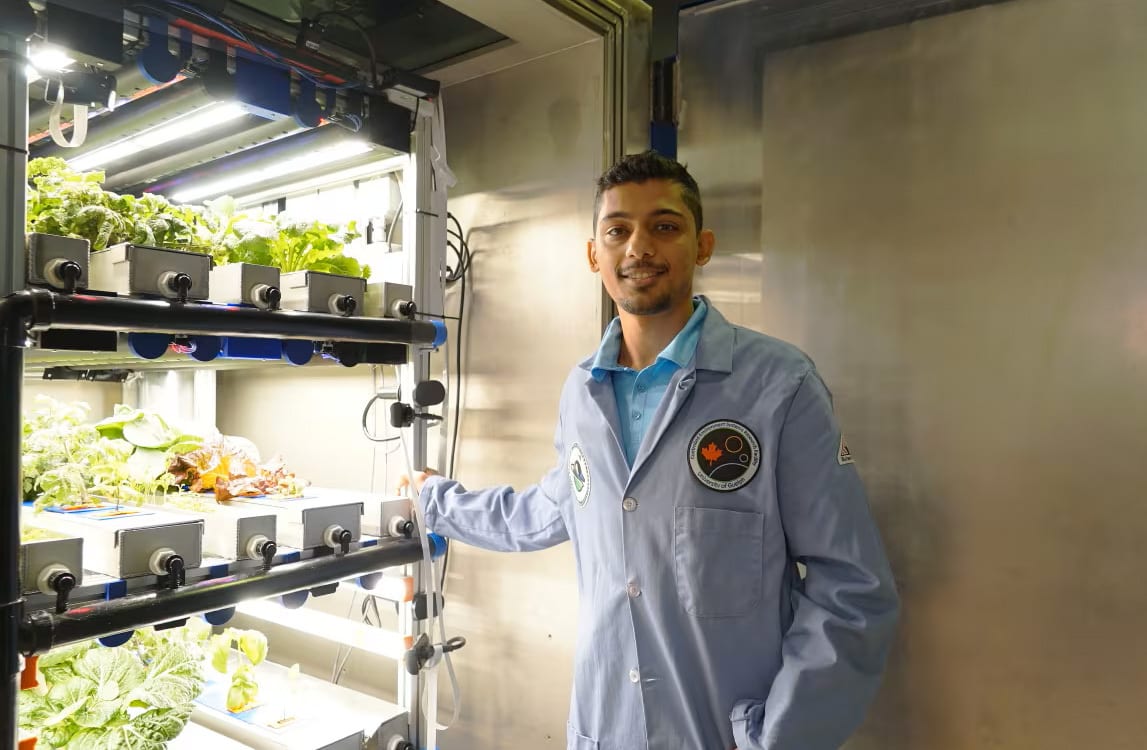
To improve global food systems, you can’t just rely solely on laboratory research and technical expertise. The Master of Food, Agricultural and Research Economics equips you with a strong skillset in economics, policy development, business analysis, and communications. Learning is by doing, empowering you to come up with solutions to real challenges in the agri-food sector. You can participate in a group consultancy project to exercise those skills, and become a well-rounded expert in economic analysis and quantitative methods.
Food, Agricultural and Resource Economics (MFARE)

The MSc in Food Safety and Quality Assurance prepares you for industry and government positions, with its career-focused curriculum equipping you with knowledge of food systems, risk analysis, detection and control of foodborne pathogens, food policy development, and food law. You’ll undertake a minimum of seven courses, with the option to pursue a hybrid of on-campus and online learning.
Food Safety and Quality Assurance (MSc)
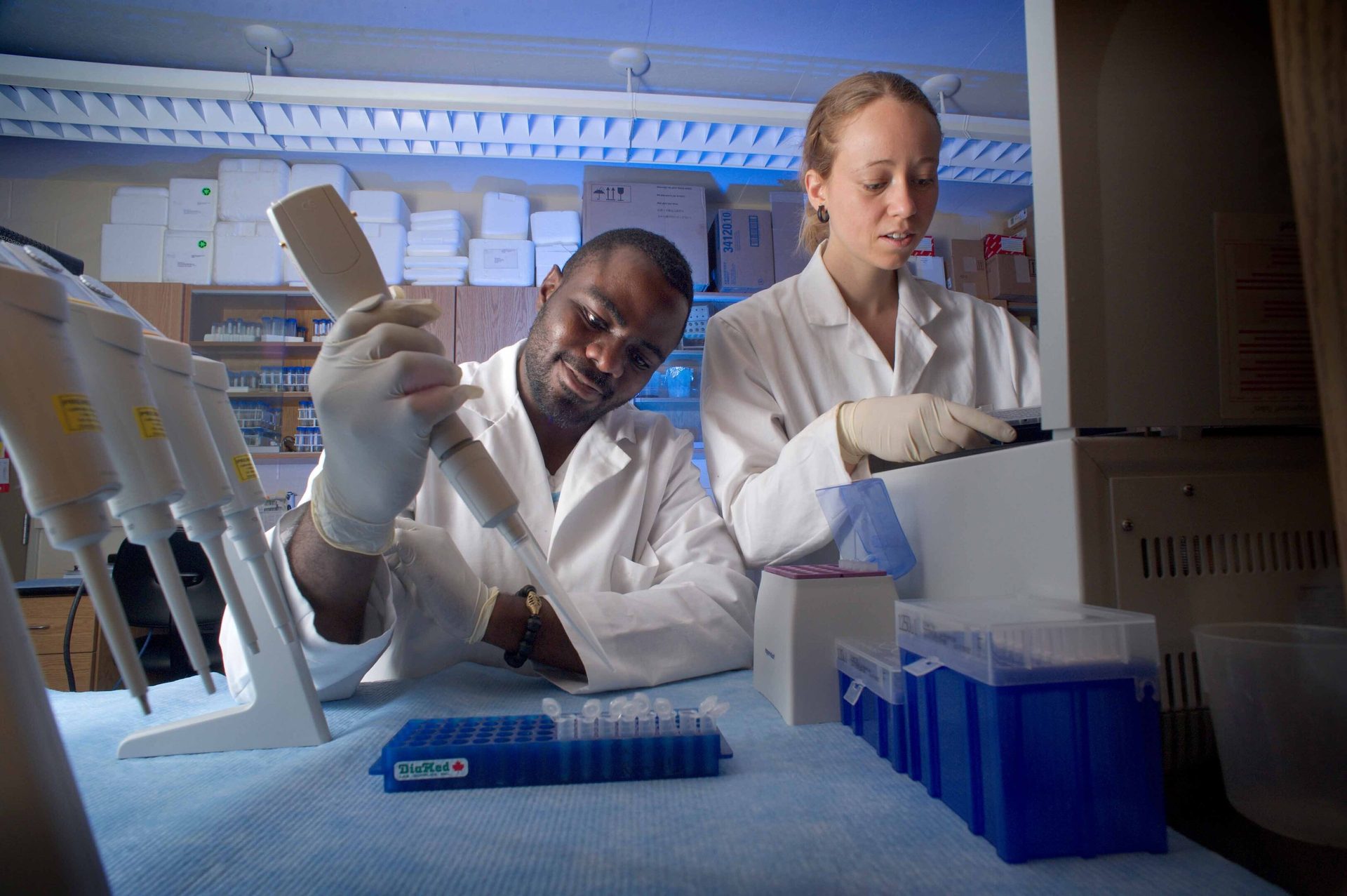
Looking to build your experience in landscape architecture through design studio work? The Master of Landscape Architecture is exactly what you’re looking for. You’ll gain the professional skills and theoretical knowledge to enter fields such as landscape restoration, waterfront and coastal development, urban design and planning, and more. The MLA will take you to communities and regions to engage in small to large-scale practical projects.
Landscape Architecture (MLA)

The Master of Planning is designed for future leaders that want to help shape and support rural communities. Tailor your programme to build on your current skills, tackling the challenges and opportunities arising in rural, Indigenous, and remote communities. Connect with professional planners, and a network of national and international scholars in rural planning and development.
Planning (MPlan)

The world needs more leaders in plant breeding, crop production, and plant science. The Master of Plant Agriculture was designed to meet this demand. Learn with the latest technology and customise your programme to your interests, whether that’s in breeding and genetics, biochemistry and physiology, or crop production systems.
Plant Agriculture (MPAg)
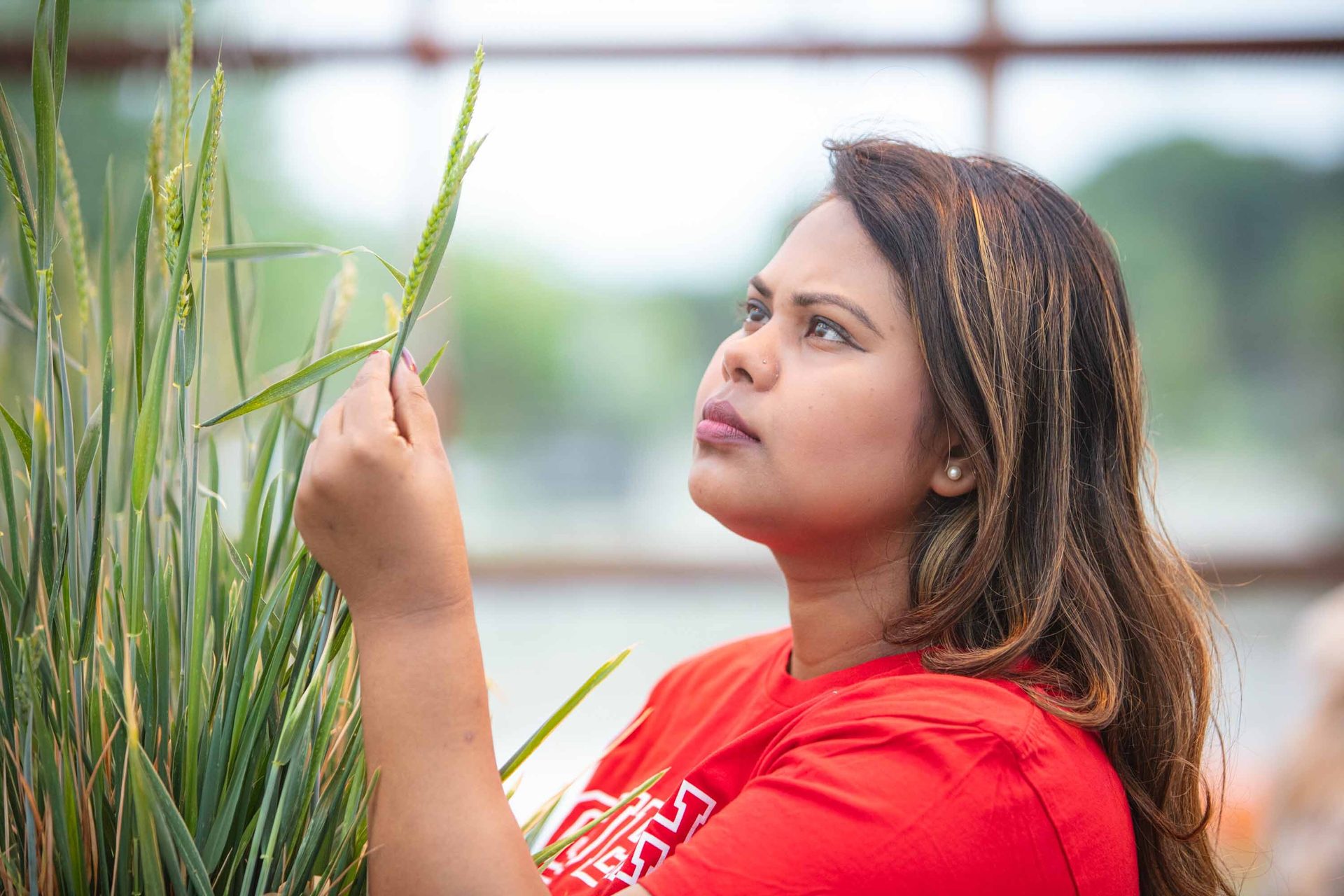
Sustainability is the future of agriculture and food security. Through the Master of Sustainable Agriculture, you’ll get to immerse yourself in the latest advancements in sustainable plant and livestock agricultural practices in the span of 16 months. What’s more, you’ll develop a range of career-focused skills in data analysis, agricultural economics, communication, and leadership, with opportunities to conduct real-world internships and join field trips to agricultural operations.
Sustainable Agriculture (MSAg)
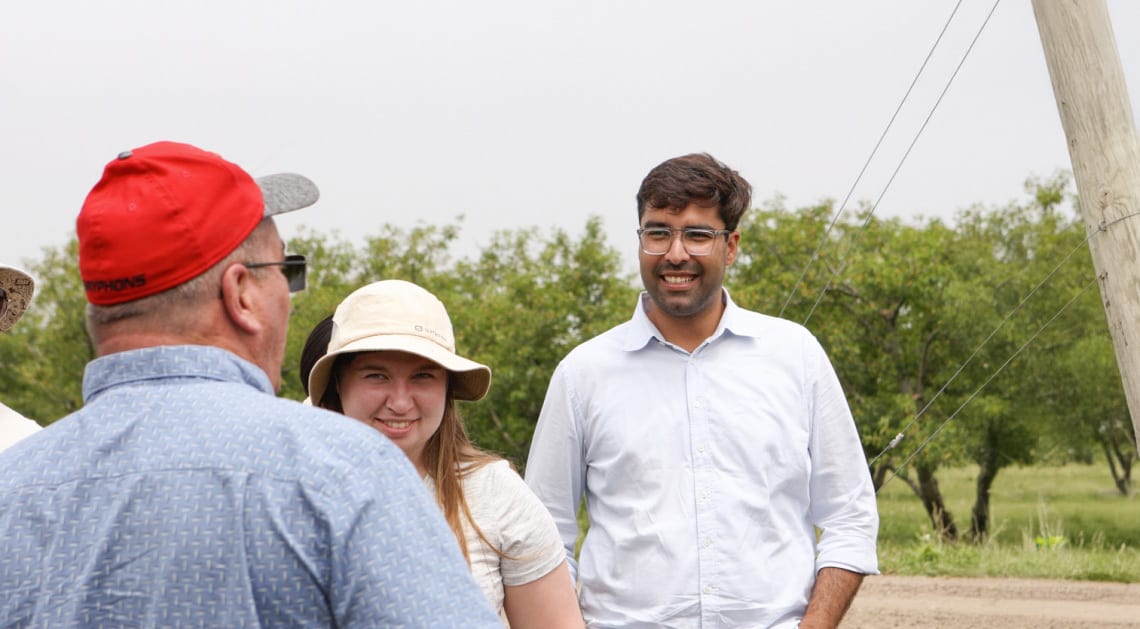
An innovative education awaits in the Ontario Agricultural College at the University of Guelph.

Copyright © 2025 Study International, official representative of Ontario Agricultural College at the University of Guelph.