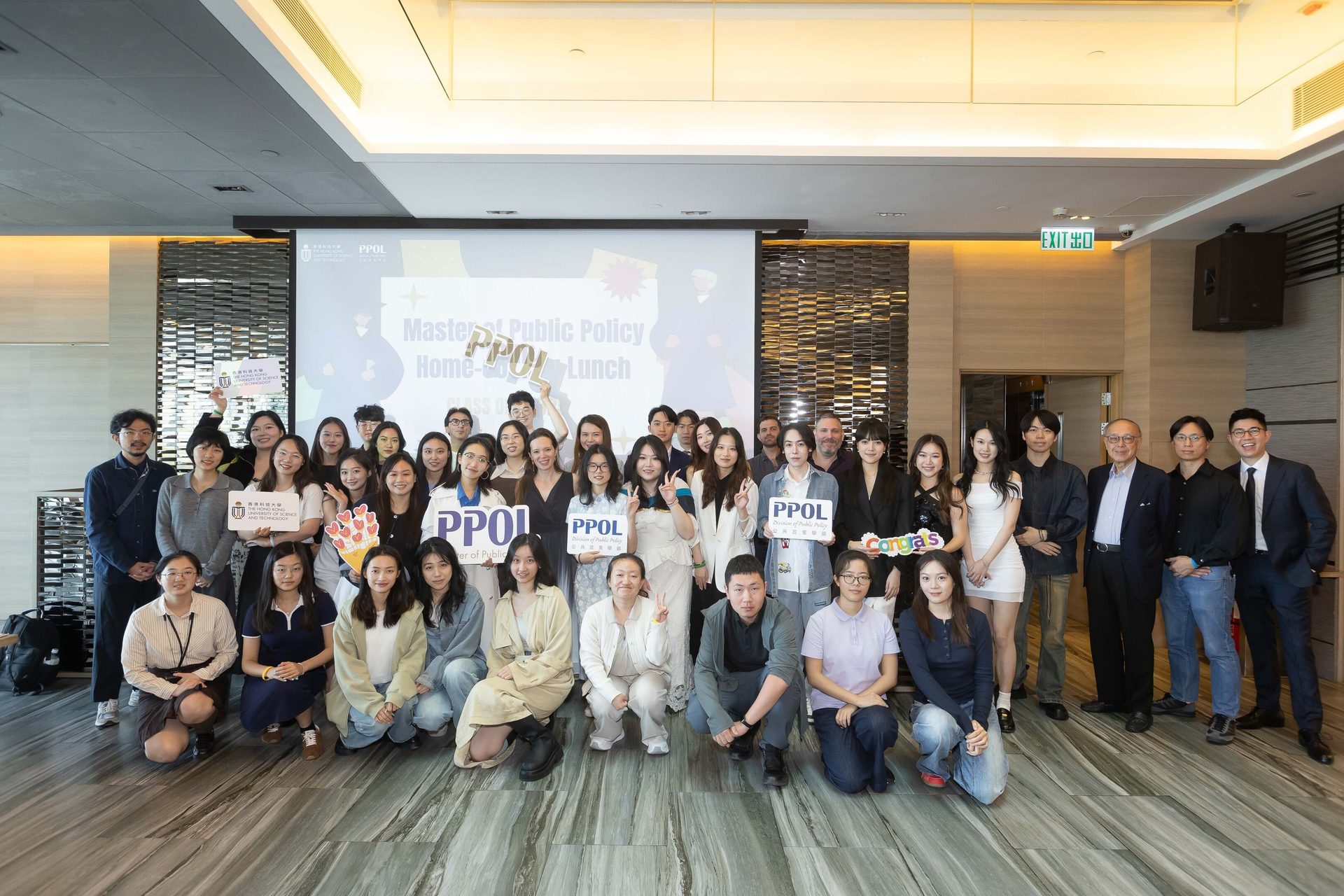
Partner content



For the designers & makers of tomorrow
For the designers & makers of tomorrow

Degrees designed for real-world success

For the designers & makers of tomorrow
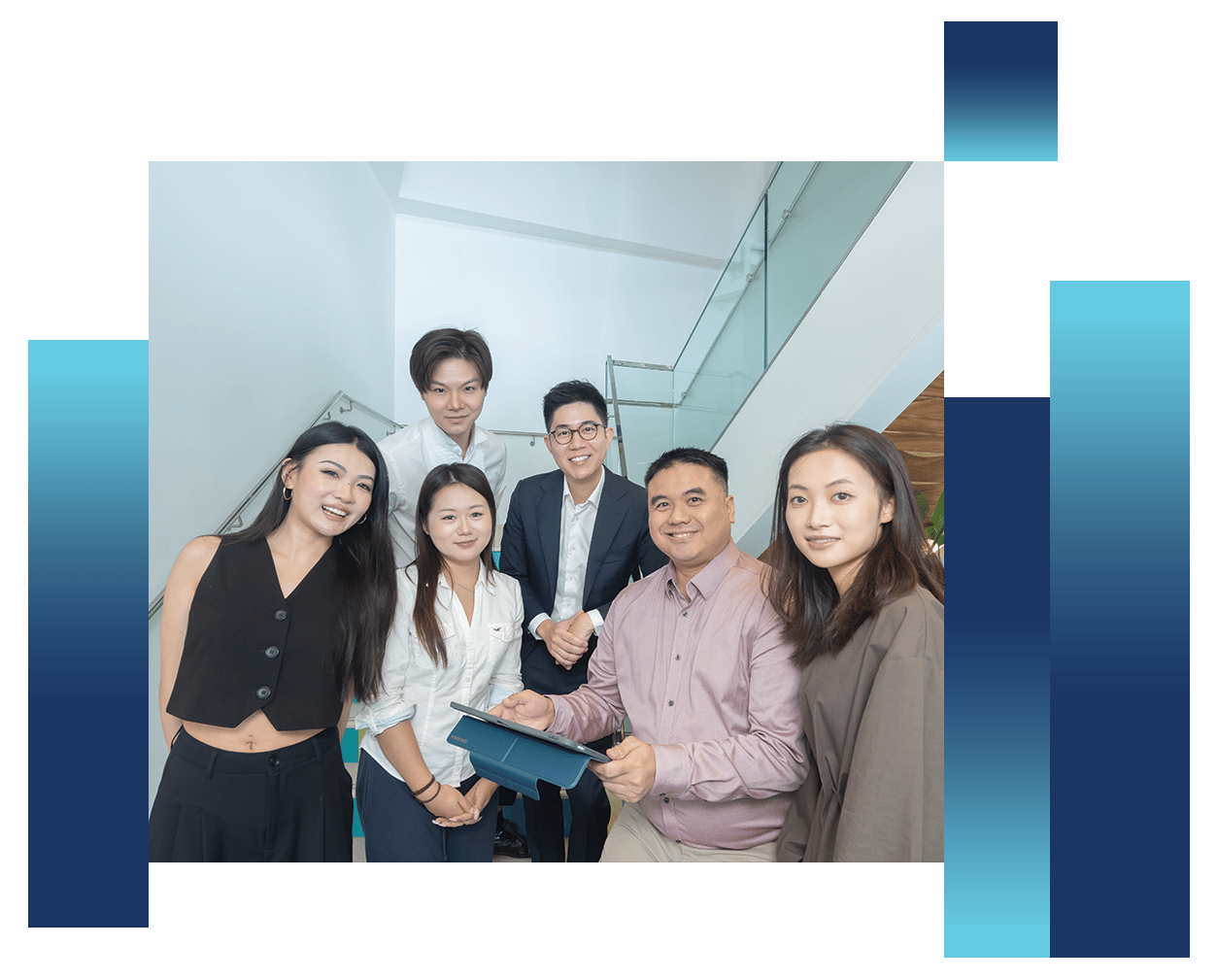


At HKUST’s Division of Public Policy, professors embrace the chaotic terrain of the world’s many challenges. They aim to build a future that’s more sustainable, inclusive, and resilient, and they’re unabashed and relentless in making this happen. That includes working across disciplinary, sectoral, and geographic boundaries. A lot of it is gruelling work, but it’s one they approach with optimism.
Ask its Master of Public Policy (MPP) and Master of Public Management (MPM) students and they’ll tell you that all of this makes for an education that’s demanding, sometimes uncomfortable, but ultimately transformative. We caught up with four PPOL professors and their students to find out what it’s really like to be in their classrooms.
At HKUST, public policy meets reality
Hear from the students
My classmates bring three to 20 years of experience across law, government, NGOs, tech, and finance. Their perspectives challenged my old legal-only mindset and broadened how I approach complex issues.
Weihong Guo,
Master of Public Management
(Class of 2026)
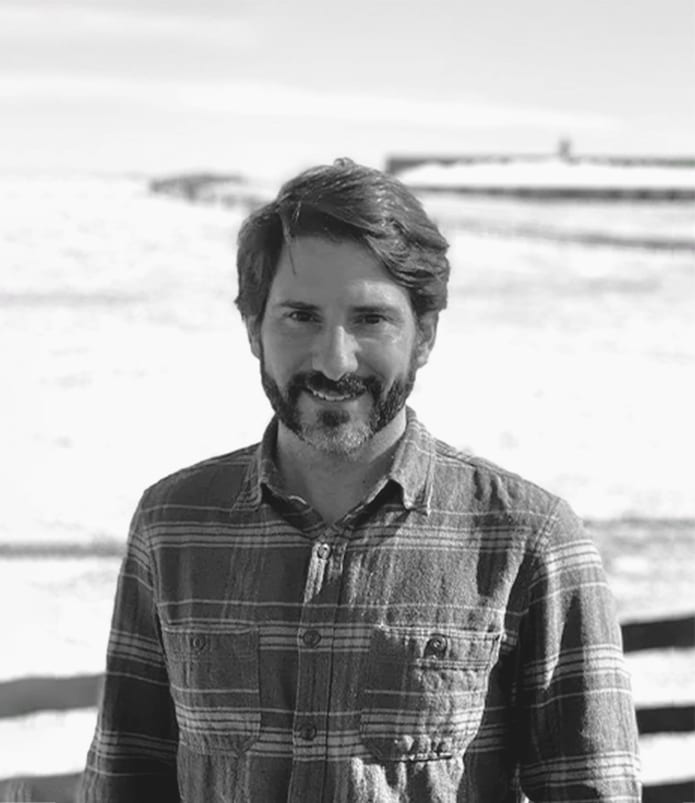
This degree taught me how to grasp unfamiliar situations, assess stakeholder needs, and design data-driven solutions. It's a skill set that has served me well across policy, business, and academic environments.
Colin Zheng,
MPP (Class of 2026)
Qitong Du, Master of Public Management (Class of 2026)
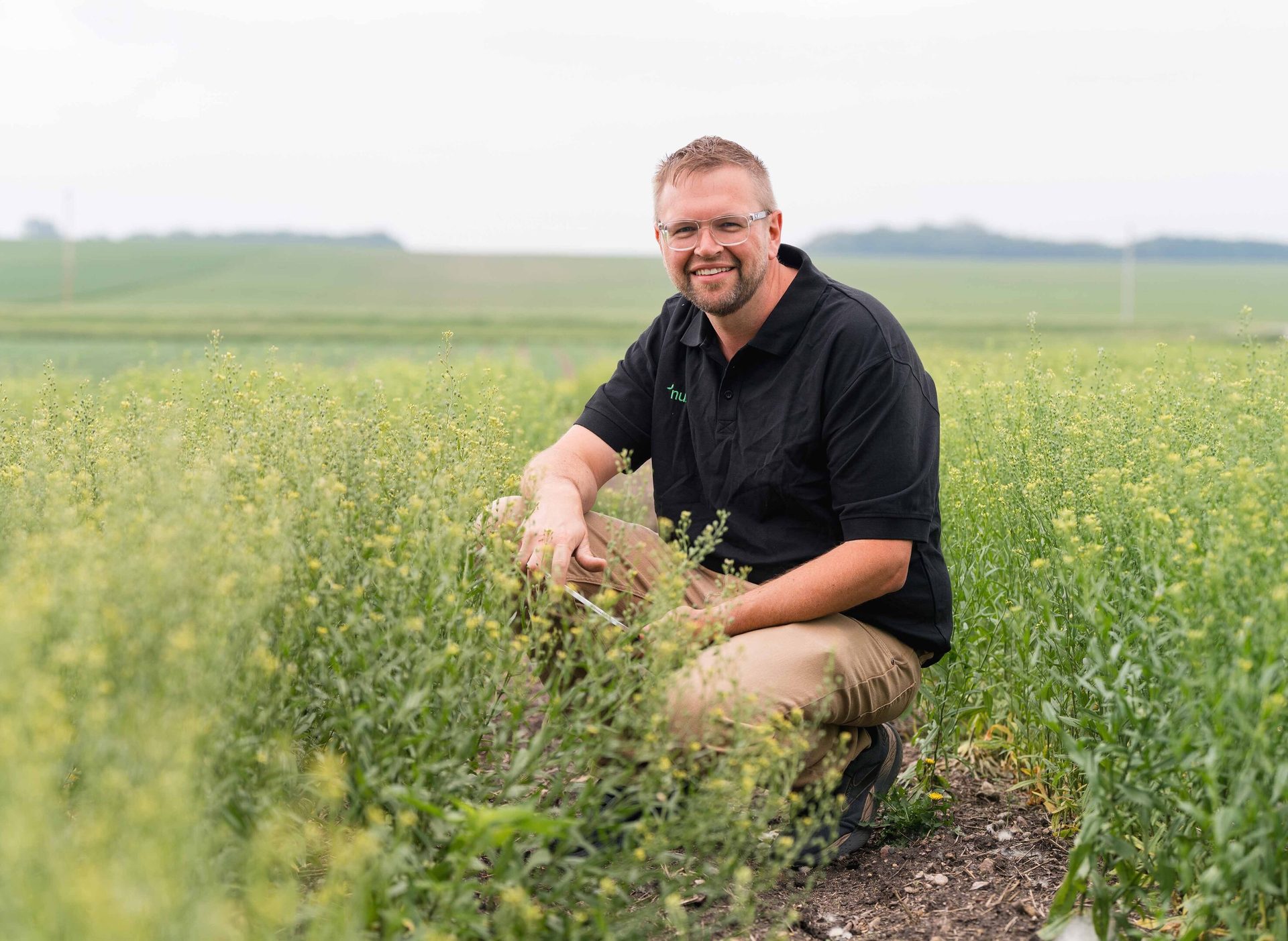
We went on field trips to several districts in Hong Kong (Wan Chai, Tai Koo Shing, and Mei Foo) and drew what we saw. This experience changed me; I realised that policy isn’t just something you read in reports or discuss in meeting rooms — it is felt.
Tsz Ni Chan,
Master of Public Policy (Class of 2026)

What I’ve learned in class, combined with the everyday experience of living in a system where efficiency is the bible, has been really eye-opening. It made me more hopeful that meaningful change can happen back home in the Philippines too.
Junette Dawn A. Baculfo,
Master of Public Management (Class of 2026)
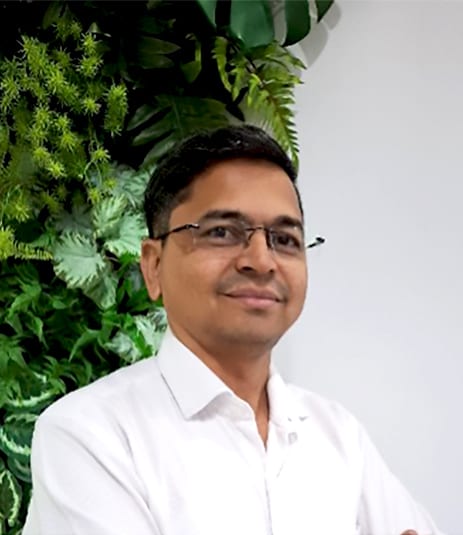
Putting out fires, literally and figuratively, in the real world
How do you fight a fire on a ship carrying hundreds of lives and billions of dollars' worth of batteries while out at sea? The answer is you can’t, but you can make them far less likely with a mandatory declaration form requiring companies to disclose when batteries are being transported.
That’s one of the clever recommendations Professor Masaru Yarime’s students are working on to present to stakeholders as part of their capstone project.
Professor Yarime’s background sits in that interesting space between engineering, policy, and sustainability, and you can see how that shapes the way he approaches problems. Over the years, he has explored how companies and policymakers adopt and respond to innovation. Battery fires at sea are a good example of the challenges he studies, where trade-offs in complex problems are unavoidable. That sense of pragmatism defines both his research and his teaching, and it’s why his students get the opportunity to work on problems that may seem common but are very impactful.
“This gives students a really good opportunity to unpack the key challenges posed by new technologies,” he says. “They see there’s no real solution now and they’re encouraged to think about what they can propose to decision-makers. It’s a very good experience for students.”
Professor Masaru Yarime, Associate Professor
Saving the world from nuclear wars
“A nuclear engineer who started getting bored working only on nuclear reactors and got fascinated by how this technology intertwines with international affairs and society” – that’s how Professor Julien de Troullioud de Lanversin describes his background.
He has a master’s in nuclear engineering from Tsinghua University and a PhD from Princeton University, where he worked with the world’s top physicists and policy experts on issues such as preventing nuclear war and understanding the future of nuclear energy.
His role at HKUST today allows him to continue that work while also helping students get the fundamentals right – that is, understanding the science behind the world’s most consequential technologies. By that, he means “really understanding them at the technical level. Once students really understand the science, they can grasp the policy issues and solutions tied to each technology much better,” he says.
Professor Troullioud de Lanversin will assign tasks like calculating how much uranium is needed to achieve a supercritical chain reaction. But he also emphasises the softer skills, such as communication.
“In my class ‘Arms Control and International Relations,’ the final project is a one-day Model United Nations simulation. Students act as country representatives and have to negotiate with each other to reach a joint solution on a pressing issue, such as international regulations on autonomous weapons,” he says.

Professor Julien de Troullioud de Lanversin
Assistant Professor, Division of Public Policy
Preparing students to work in an imperfect world
In 2016, the US FBI wanted Apple to help “unlock” an iPhone used by one of the two attackers who killed 14 people in San Bernardino, California. Apple resisted, and the courts stepped in, setting off a global debate over the balance between national security and privacy.
This is the kind of case that Professor Xiaofan Zhao discusses in her classes. “The case method is the best way to bridge the gap between theoretical knowledge and real-world application,” she says. “By analysing actual events, students develop critical thinking and decision-making skills, which allow them to handle the complexity and ambiguity in real-world policymaking.”
Professor Zhao would know. Her background cuts across both the US and China, starting in environmental engineering at Stanford before moving into management science, and then into the policy world in Beijing. She worked at major think tanks like the World Resources Institute, focusing on climate and energy policy, before going on to doctoral research at Tsinghua, looking at how governments and businesses respond to regulation.
Spoiler alert: it’s messy. And Professor Zhao makes sure her students are ready for this. Data falls short, and institutions behave unpredictably. That’s why, in class, she leans into that complexity.
“We equip students with a solid foundation in policy analysis, public management, economics, and quantitative methods, which allow our graduates to move between and across sectors and address complex, interdisciplinary challenges such as environmental, technological, or social issues,” she says.
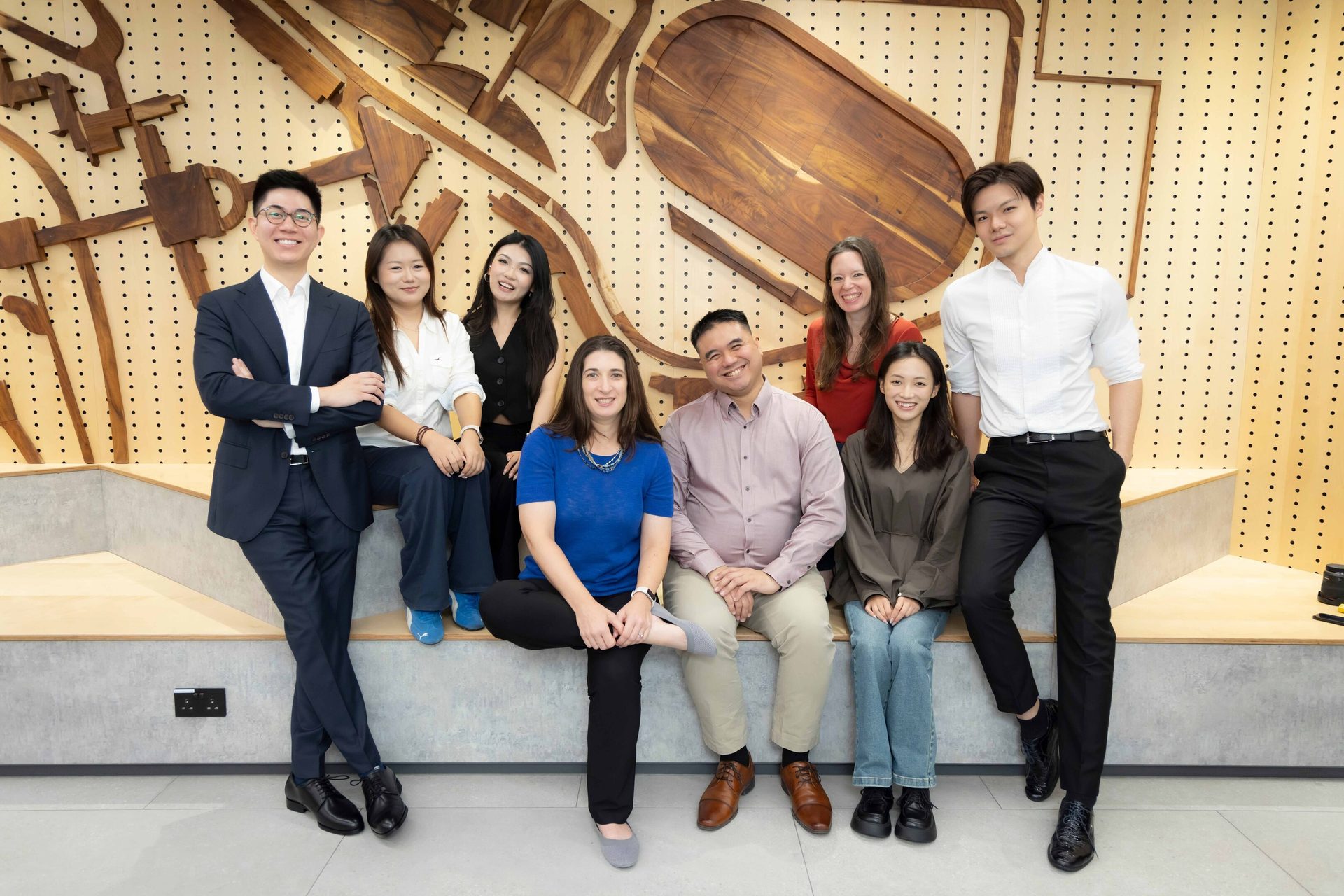
Professor Xiaofan Zhao
Assistant Professor, Division of Public Policy
Back to the future, from a public policy lens
Sometimes, to prepare for the future, you need to look to the past. Dr. Nicolo Ludovice is that person at the Division of Public Policy in HKUST. He’s a historian who is part of a forward-looking university, and while this may seem contradictory at first, his work and his role are very important. “All issues, policies, movements, trajectories are profoundly shaped by what happened in the past which makes learning and studying history inevitable and should be part of the toolkit of any serious policymaker,” he says.
Even more so, for those in Asia. Taking the example of Hong Kong, and how its institutions, architecture, modes of governance, and thinking are largely shaped by its colonial past, Dr. Ludovice argues, “We have to be reminded that by adopting British frameworks (or any Western framework for that matter), we’re also adopting the interests, assumptions, values, and biases embedded in these frameworks. It begins by thinking about the past: what shaped these frameworks, who imposed them, what mechanisms, etc., and their effect on the governed.”
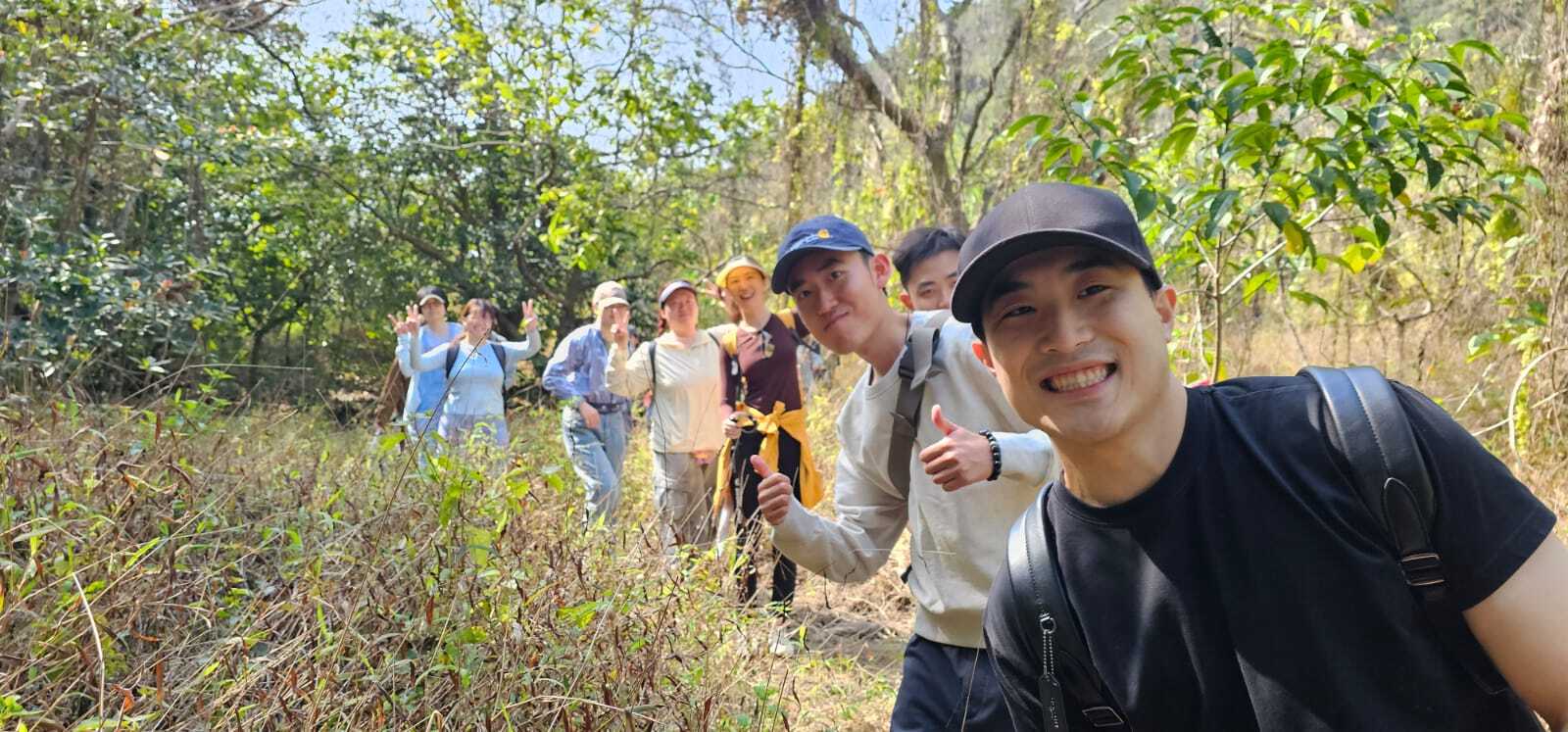
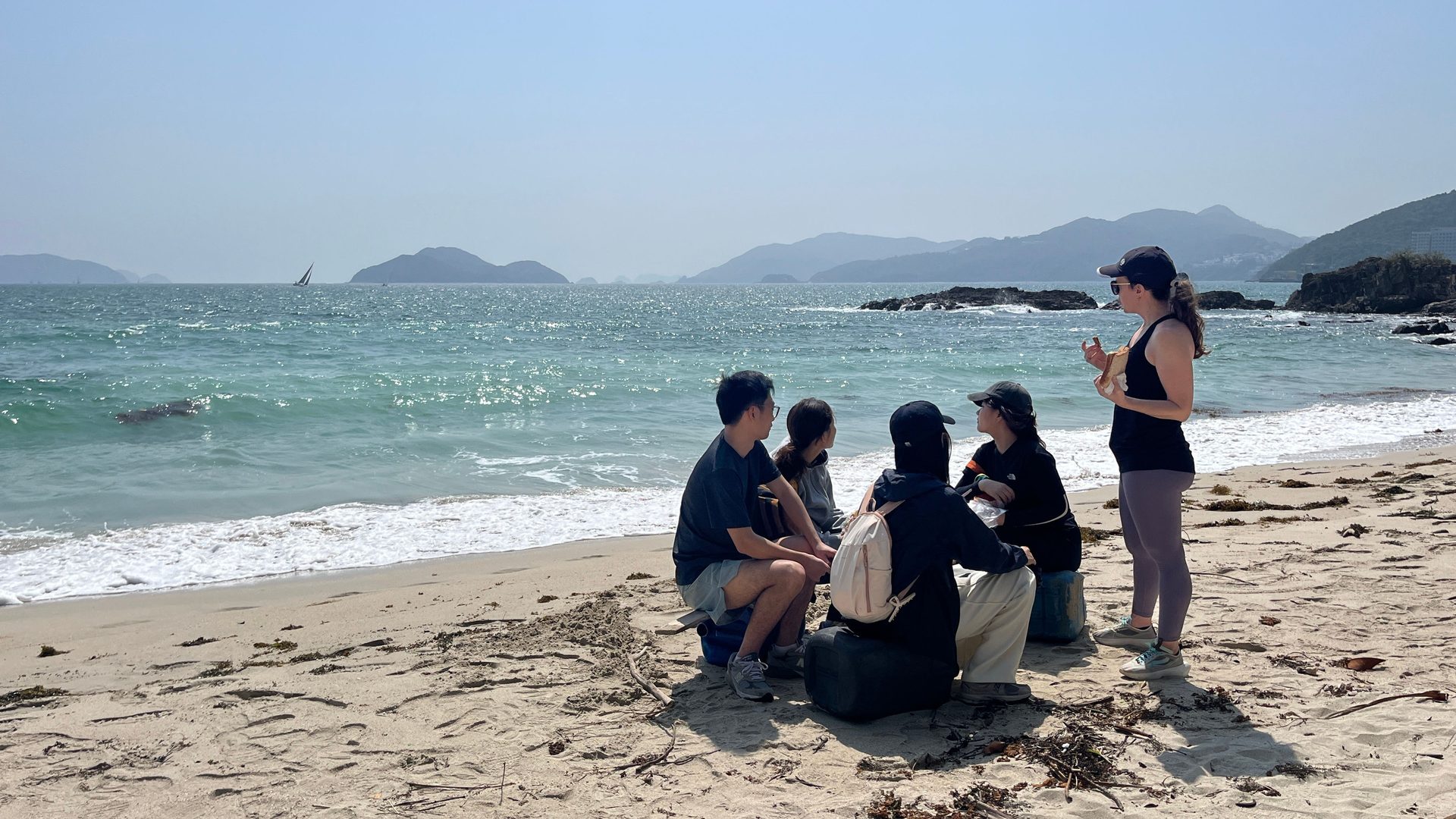
It’s really just a way of training yourself to look in both directions – forwards and backwards – at once. For Dr. Ludovice, that’s the core of how he teaches. Borrowing from Marc Bloch’s idea of “historical sensibility,” he nudges students to stop treating the past as something distant or neatly packaged and instead see it as something that’s still very much alive in the present.
“It’s my fervent hope for our students to be leaders with ‘historical sensibility,’ to become analytically rigorous decision-makers who navigate the complexities of the present by interpreting the latent patterns of the past and respecting the profound differences in human experience across time,” he says.
Hear from the students
1856
Founded in
Top 5
student organisations
Top Scoring
student organisations
Top 5
student organisations


TOP 5
in the UK for student satisfaction - Complete University Guide 2026
TOP 5
in the UK for creative facilities - Whatuni Student Choice Awards 2024 & 2025
TOP SCORING
arts university in the UK - National Student Survey 2022 - 2025
1856
Founded in

5
in the UK for student satisfaction - Complete University Guide 2026
TOP
Scoring
arts university in the UK - National Student Survey 2022 - 2025
TOP
1856
Founded in
5
in the UK for creative facilities - Whatuni Student Choice Awards 2024 & 2025
TOP