Partner content


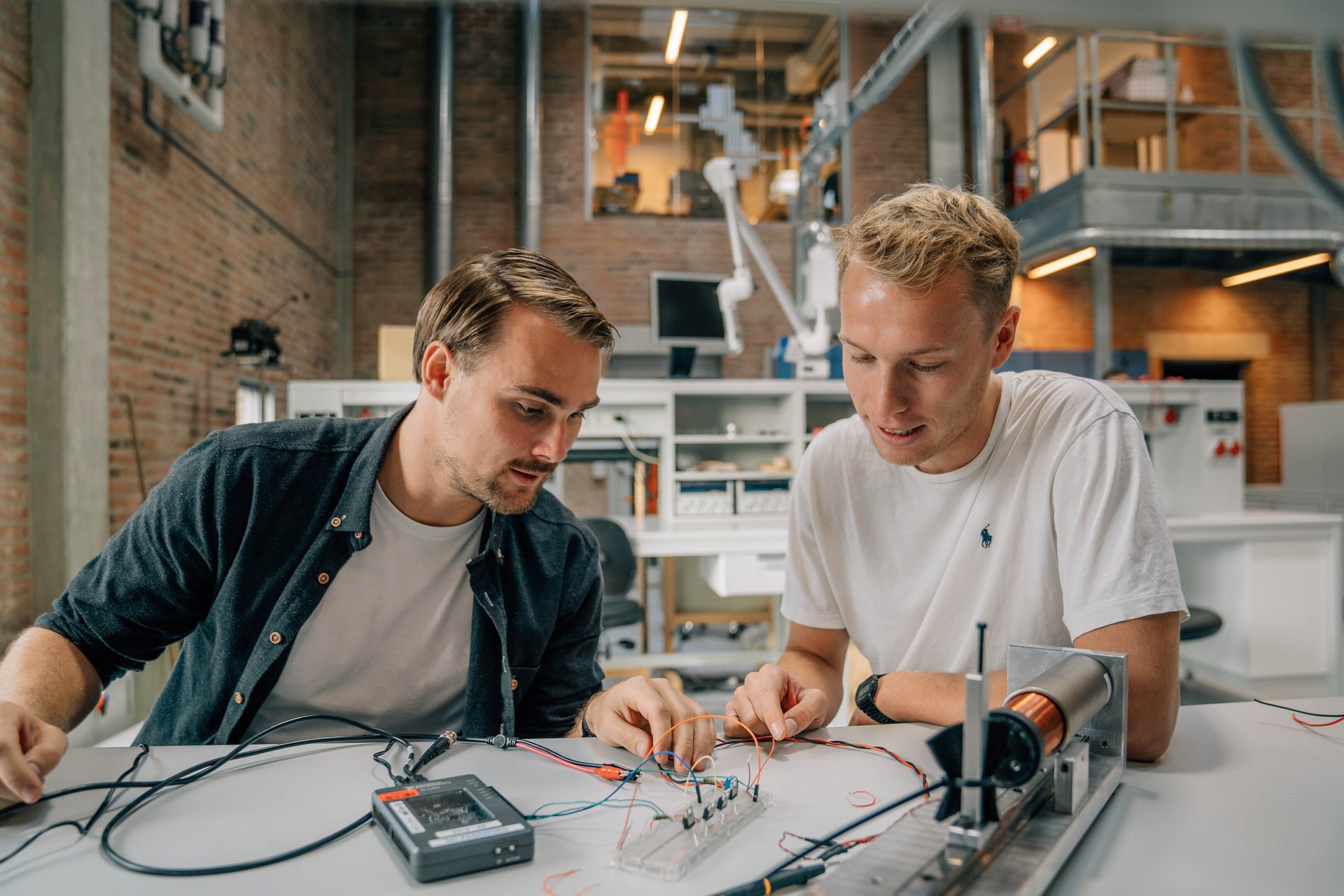
Study energy engineering where sustainability leads the agenda

In 2025, low-carbon sources generated more than 43% of the world’s electricity. That sounds like progress — until you realise it still isn’t enough to stop our overreliance on fast-depleting fossil fuels.
In Denmark, researchers at Aalborg University are working on just that. Ranked 36th globally in the UI GreenMetric index, the university has made sustainability a key goal across its five faculties. Nowhere is that clearer than at AAU Energy, which has made the green transition, one of the major challenges of our time, a very present priority.
At its labs, researchers tackle everything from renewable energy systems to smarter consumption and distribution, from conversion technologies to the precise control of energy flows. Its scholars rank among the world’s most cited, placing them in the top 1% to 2% globally.
34+
nationalities represented
Problem
Based Learning
PBL model
281million Danish krone
(US$44 million) was the department turnover in 2025.
122 million Danish krone
(US$17.5 million) was the project turnover in 2025.
#1
in Western Europe in the field of ‘Energy’, Aalborg University takes the top spot in the SCImago Institutions Rankings 2026.
#9
in the Times Higher Education Impact Rankings 2025, which assess universities’ contributions to the UN Sustainable Development Goals.
Discover AAU Energy’s solution-focused programmes
What graduates say
“Studying Urban Design at Aalborg University shaped how I approach real-world urban challenges — the collaborative and problem-based learning still influences my work today.”
Dr. Sung Woo Kim, Distinguished Professor
Animal nutrition
What graduates say
Grow your impact through focused programmes
At Rhodes Business School, part of the Faculty of Commerce, the AMBA-accredited MBA is grounded in the theme “Leadership for Sustainability.” You’ll find that every subject weaves in sustainable leadership principles. You’ll learn how to balance economic success with social and environmental responsibility. Teaching is guided by the school’s 4E model — Economy, Ethics, Ecology, and Equity. Your coursework will include a mix of core and elective modules, assessed through assignments, tests, or exams, which make up 67% of your degree. You’ll need to pass each module. The remaining 33% comes from a research mini thesis, which you must also complete successfully.
Master of Business Administration (MBA)
“I feel incredibly fortunate to have studied in such a great programme. Throughout the architectural master's programme, the emphasis on finding, developing, and strengthening my position in the field of architecture was a key focus.
The diverse range of engineering and architecture subjects, ranging from indoor climate and structural tectonics to materiality, transformation, and sustainability, allowed me to explore my passions, while the interdisciplinary nature of the programme provided invaluable support for this journey.
The PBL approach, which centres around real-world problems and addressing societal challenges, particularly in sustainability, equipped me with the practical skills and theoretical knowledge needed for life after graduation.
Furthermore, collaborative group work was a fundamental aspect of the programme, pushing us to develop the skills necessary to work effectively in a team-based environment. This experience taught me to work alongside people from different disciplines, tackling complex challenges that extend far beyond what any individual could address alone.”
Signe Glud,
Research Assistant at CREATE
“My master’s experience in Urban Design at Aalborg University was the greatest, thanks to the unique integration of social science and engineering. Engaged teaching and Problem-Based Learning (PBL) enhanced my teamwork skills, an invaluable asset for my future career.
As an urban design graduate, I have gained the ability to tackle complex urban, regional and societal challenges. With interdisciplinary knowledge from both engineering and social science, I am well-equipped to design cities for people that address these future challenges. I also appreciate the flexibility of my field, allowing me to pursue diverse career paths, from city planning and community engagement to engineering firms or small architectural firms. Whether working on small-scale urban details or large-scale city planning, the skills I have acquired empower me to contribute to sustainable and long-term urban development.”
Daniel Knud Hermansen,
Research Assistant at CREATE
“I really enjoyed project-based learning at AAU, where everyone engages with knowledge like clay, reshaping it into something new throughout the project development process. This approach to learning has continued to help me grow, even after graduation.”
Asami Ikeda,
Urban Designer and Business Developer at SquareOne ApS
“Studying Urban Design at Aalborg University shaped how I approach real-world urban challenges — the collaborative and problem-based learning still influences my work today.”
Ugne Noreikaite,
Research Assistant at CREATE
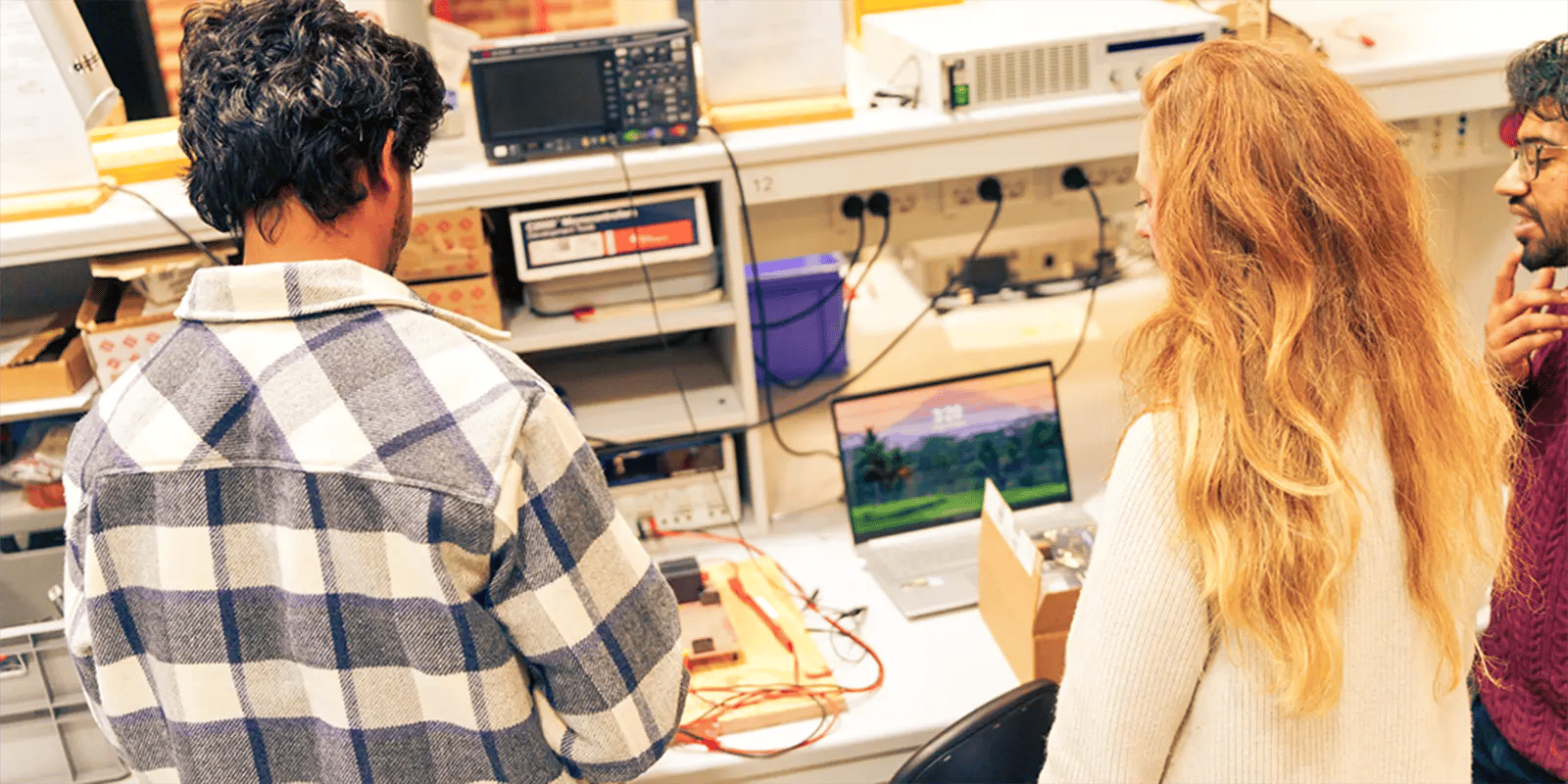
The BSc in Energy Engineering challenges you to develop improved energy systems for the future. You'll dive into thermal and electrical energy engineering, offshore energy systems, underwater drones, mechatronics, and control engineering. By the fifth semester, you can specialise in one of two fields: Dynamic Systems or Thermal Processes.
Location: Esbjerg
Duration: Three years
BSc in Energy Engineering
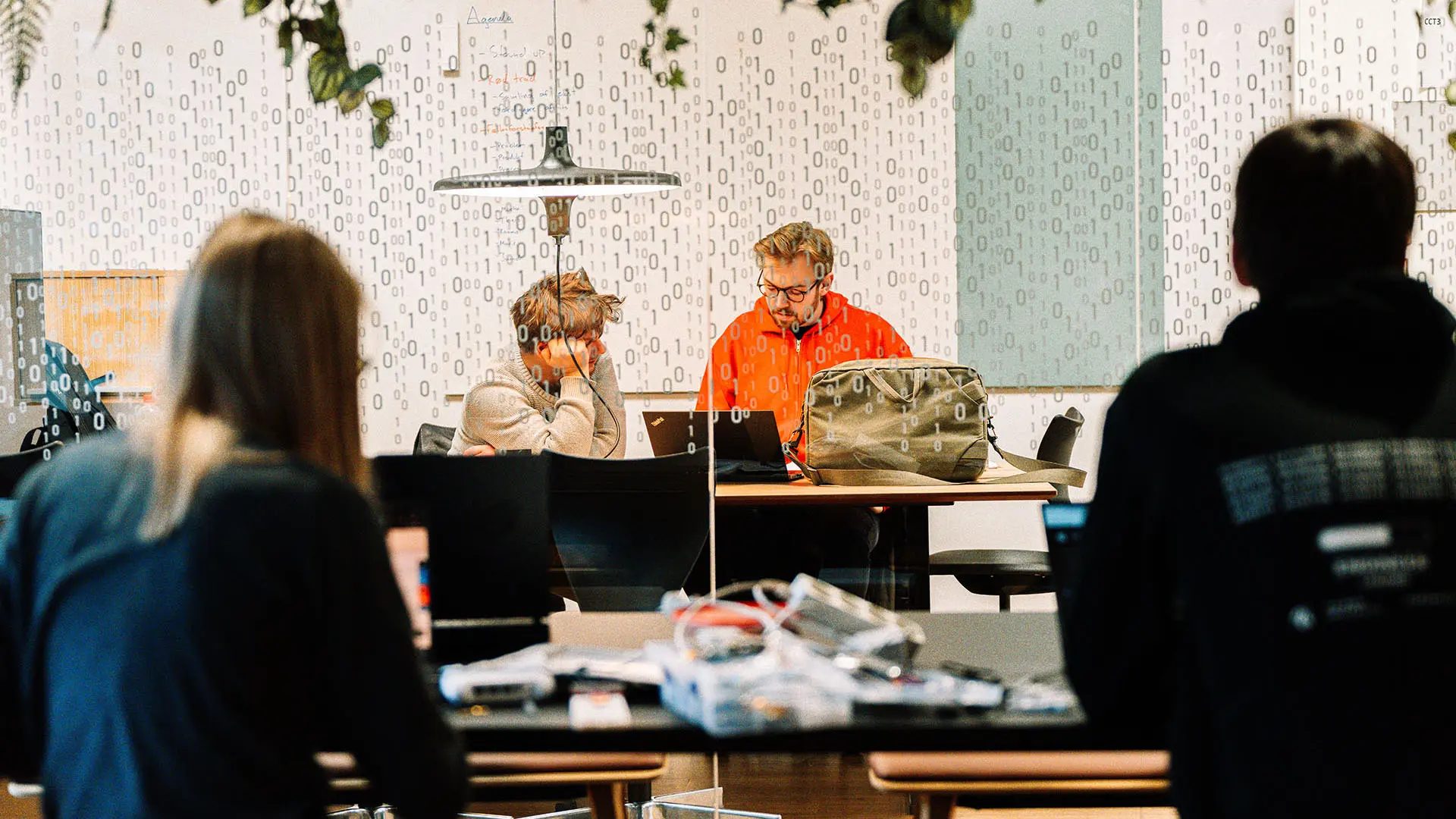
The BSc in Applied Industrial Electronics teaches you how to create electronics and programming that control everything from robotic arms to machines. As you specialise in either IT and Cyber Systems or Industrial Electronics by your fifth semester, you'll collaborate with your peers to find practical solutions to industry challenges.
Location: Esbjerg
Duration: Three years
Bachelor in Applied Industrial Electronics
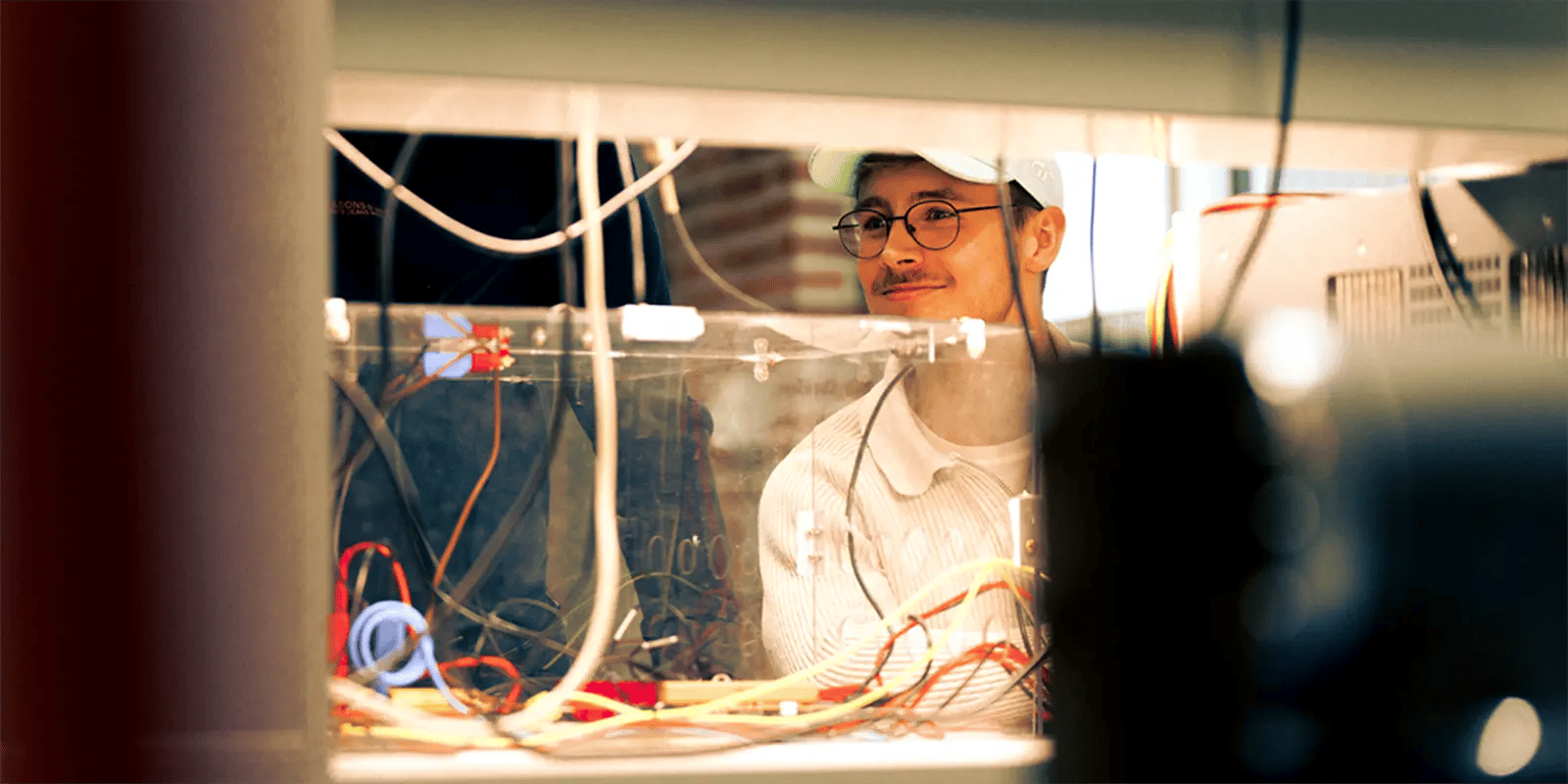
The MSc in Energy Engineering trains you to analyse, develop, and optimise a wide range of energy technologies while defining your professional profile. The program offers six specialisations, allowing you to build in-depth expertise within a specific field whether it is power systems, high voltage technology, thermal processes, renewable energy or energy systems. By applying your specialised knowledge of renewable energy resources and modern technologies to real-world challenges, you position yourself at the forefront of the green transition.
Location: Aalborg
Duration: Three years
MSc in Energy Engineering
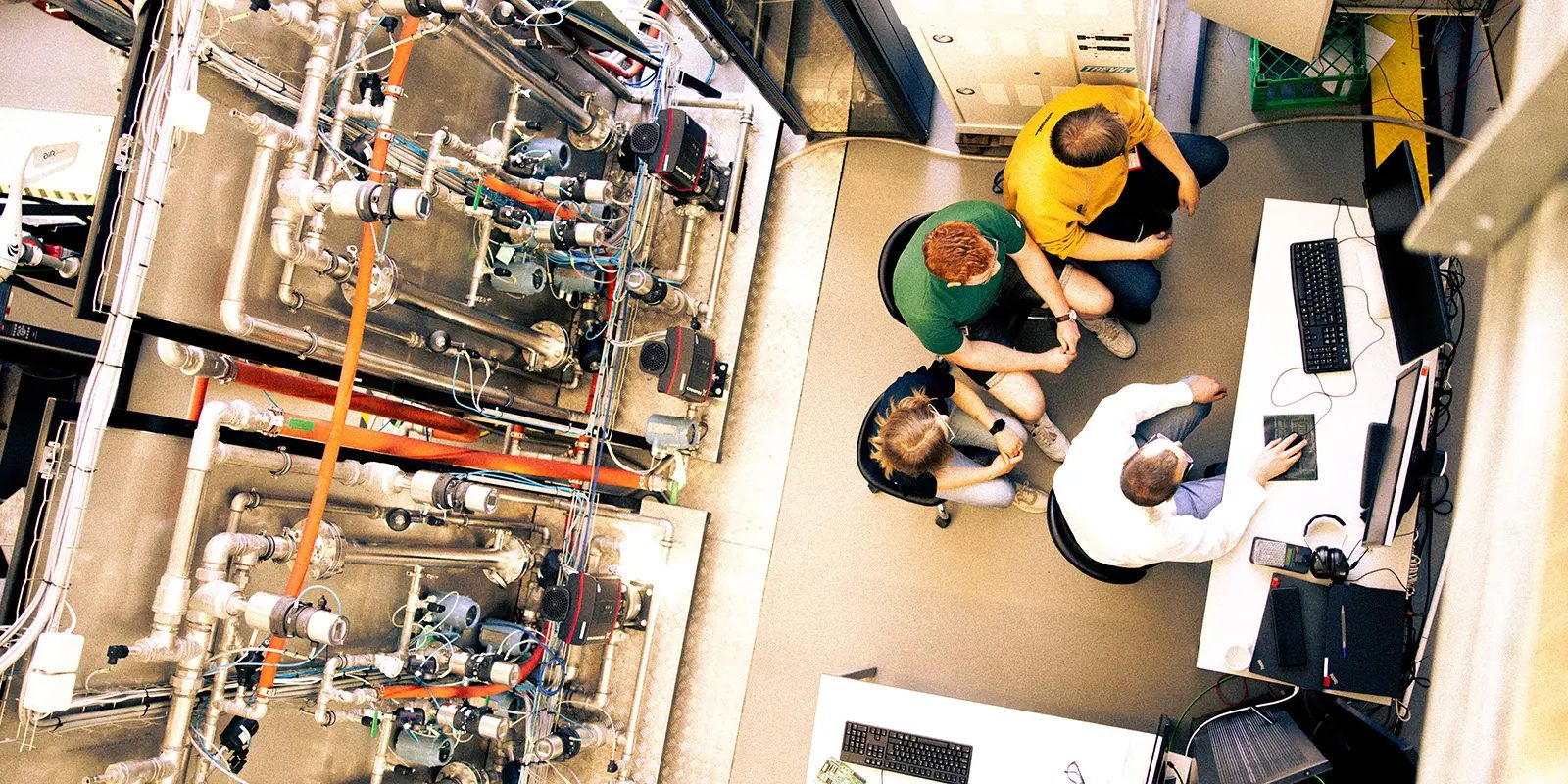
Looking to cross the intersection of advanced power electronics, regulation, and artificial intelligence? The MSc in Advanced Power Electronics is a cross-disciplinary programme that looks at the interplay between technology, the environment, and industry. It’ll guide you through the development of electronic systems, such as electronic motors, renewable energy plants, and optimisation and reliability.
Location: Esbjerg
Duration: Two years
MSc in Advanced Power Electronics
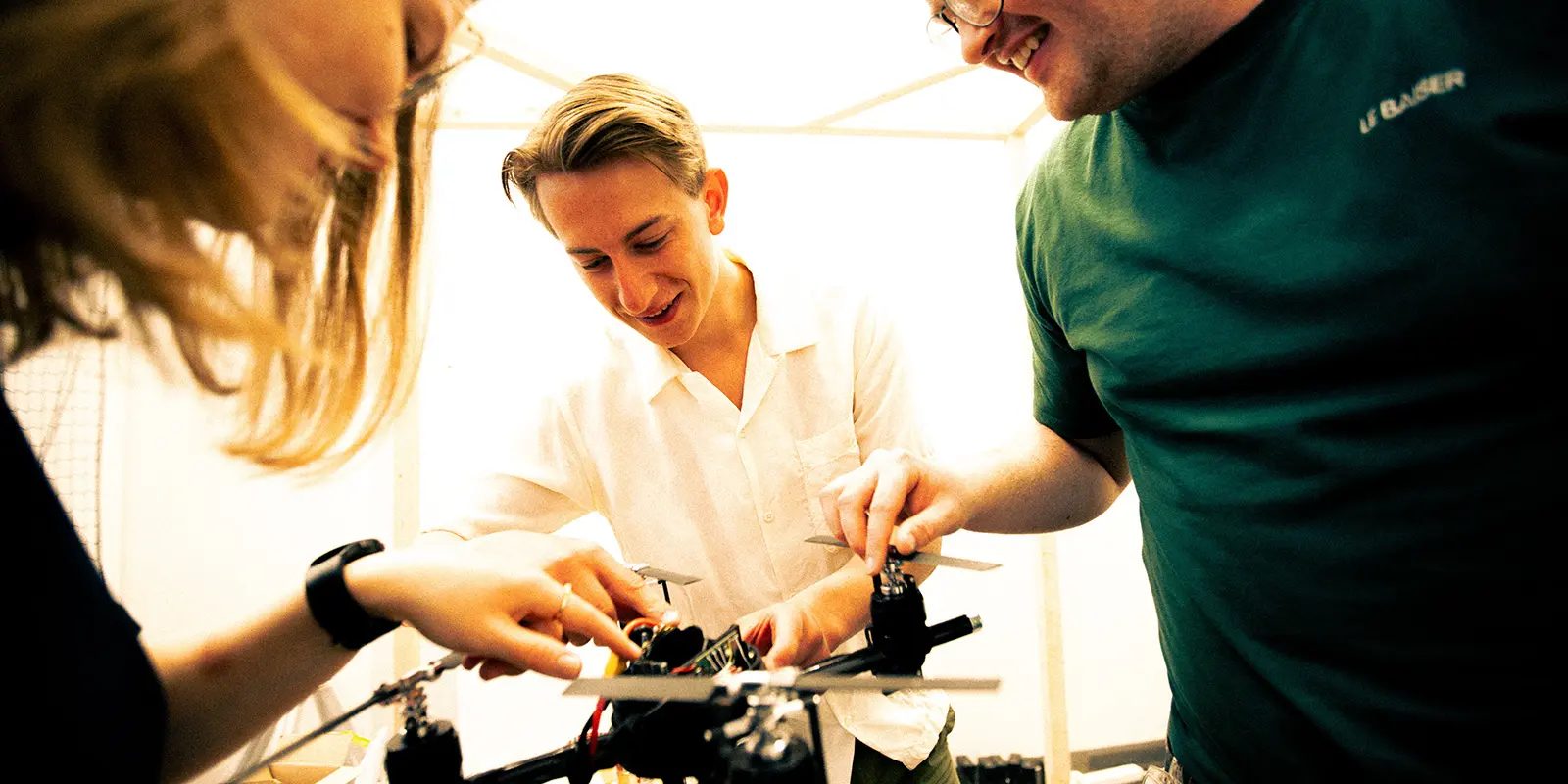
The MSc in Sustainable Energy Engineering centres the development of smarter sustainable energy systems to advance the green transition. You'll model systems such as PtX, CCUS, offshore wind turbines, and offshore robotics. Specialise in one of three focus areas, and understand the technical and societal frameworks needed to bring green technology to life.
Location: Esbjerg
Duration: Two years
MSc in Sustainable Energy Engineering
Hear from the students
Hear from the students
David Redondo Vinolo did not expect the MSc to be as customisable as it was. “You really can take it as far as your ambition allows,” he says. “What makes the experience even more valuable is how closely research in this faculty is connected with students, while collaborations with companies open even more doors for building a career.”
Coming from Spain, Vinolo had never felt like an outcast. Aalborg has a large international student community, and most teachers, staff, and students speak English.
“The university also hosted an international welcome week, which made it easy to meet many people right away,” he says. “The lectures are another strong point: the material is genuinely up to date and highly relevant, which is not something you find everywhere.”
David Redondo Vinolo, Spain, 24
MSc in Energy Engineering – Power Electronics and Drives
PROgramme
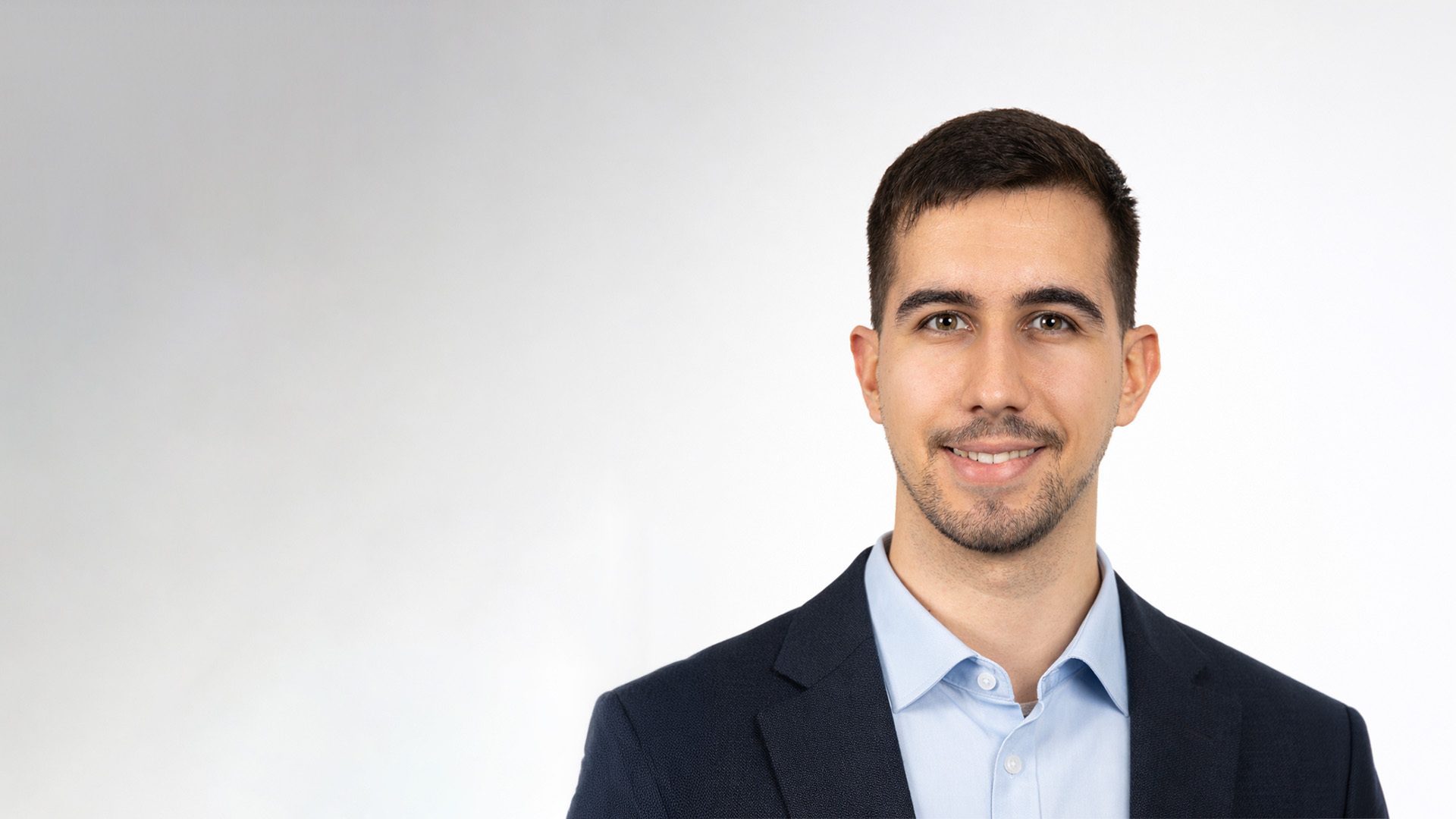
When choosing a bachelor’s programme in this field, Dawit Haileab Tadesse Seyoum sought one that would provide a deeper understanding of what is taught in the lecture halls. “AAU’s problem-based learning model has helped me apply what I learn by working on semester group projects that focus on real-world problems,” he says.
“I’ve had the opportunity to collaborate with supervisors who are experts in their fields, and, most importantly, fellow students who come from different parts of the world, which has helped me broaden my horizon and be more adaptable to other people’s way of thinking.”
Dawit Haileab Tadesse Seyoum, Spain, 21
Bachelor’s in Applied Industrial ElectronicS
PROgramme
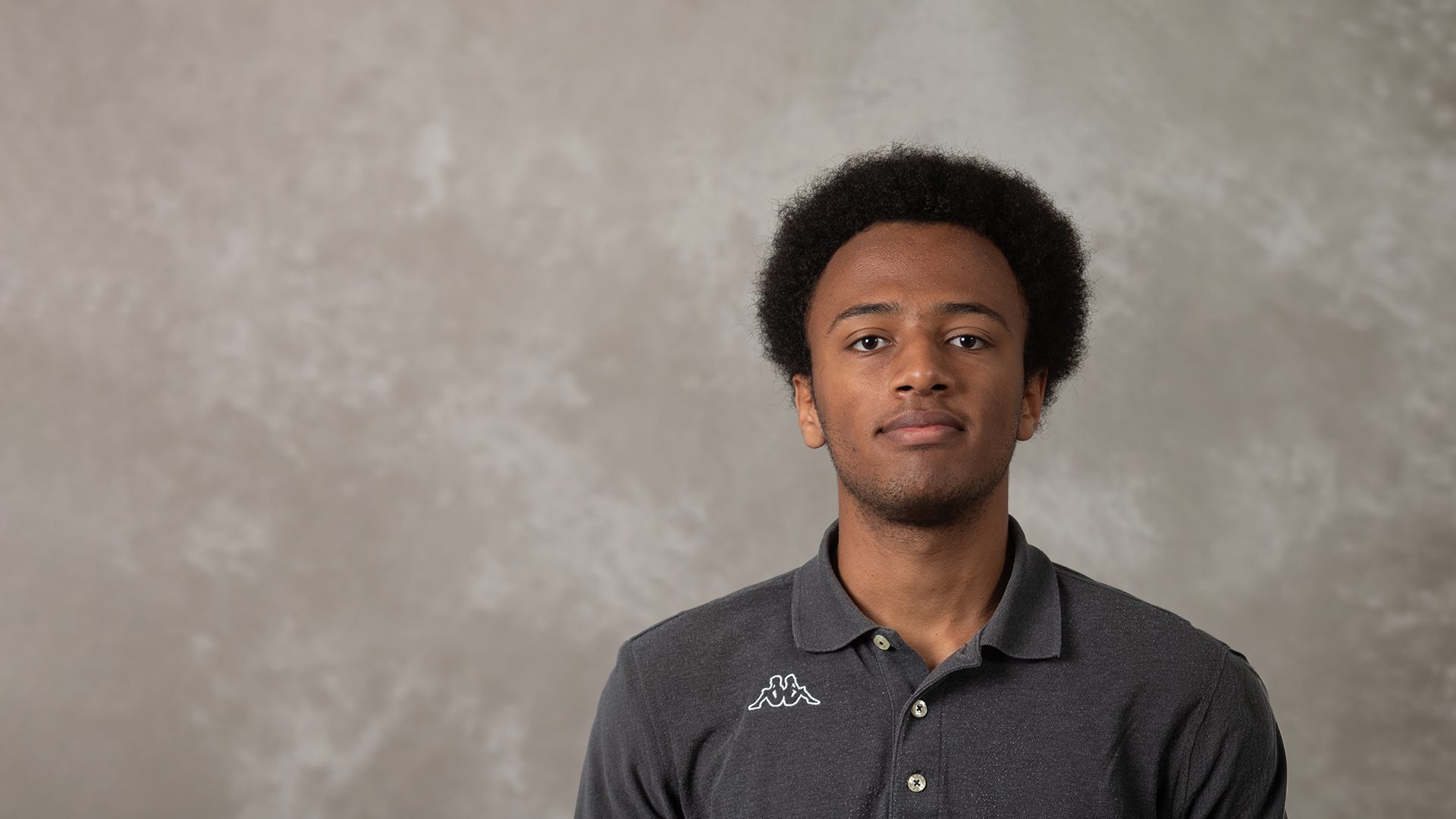
It’s easy to feel alone when you first arrive as an international student, but not at AAU. “The Danish students were willing to integrate us in their Easter or Christmas Dinners,” says Maria Teresa Cano Varela. “Everything is taught in English and most of the professors are also international, so that helped as they can relate to our struggles not only as students but as foreigners too.”
Like its campus community, the MSc felt just as student-focused. “Professors in general are very humble, and their work is to guide you, but the student is the one who searches for information, validates it and is critical of it before applying it to their work,” she says. “After my previous job experience, I feel like this is the kind of education [prepares] you for real-world challenges.”
Maria Teresa Cano Varela, Spain, 25
MSc in Energy Engineering – Thermal Energy and Process Engineering
PROgramme
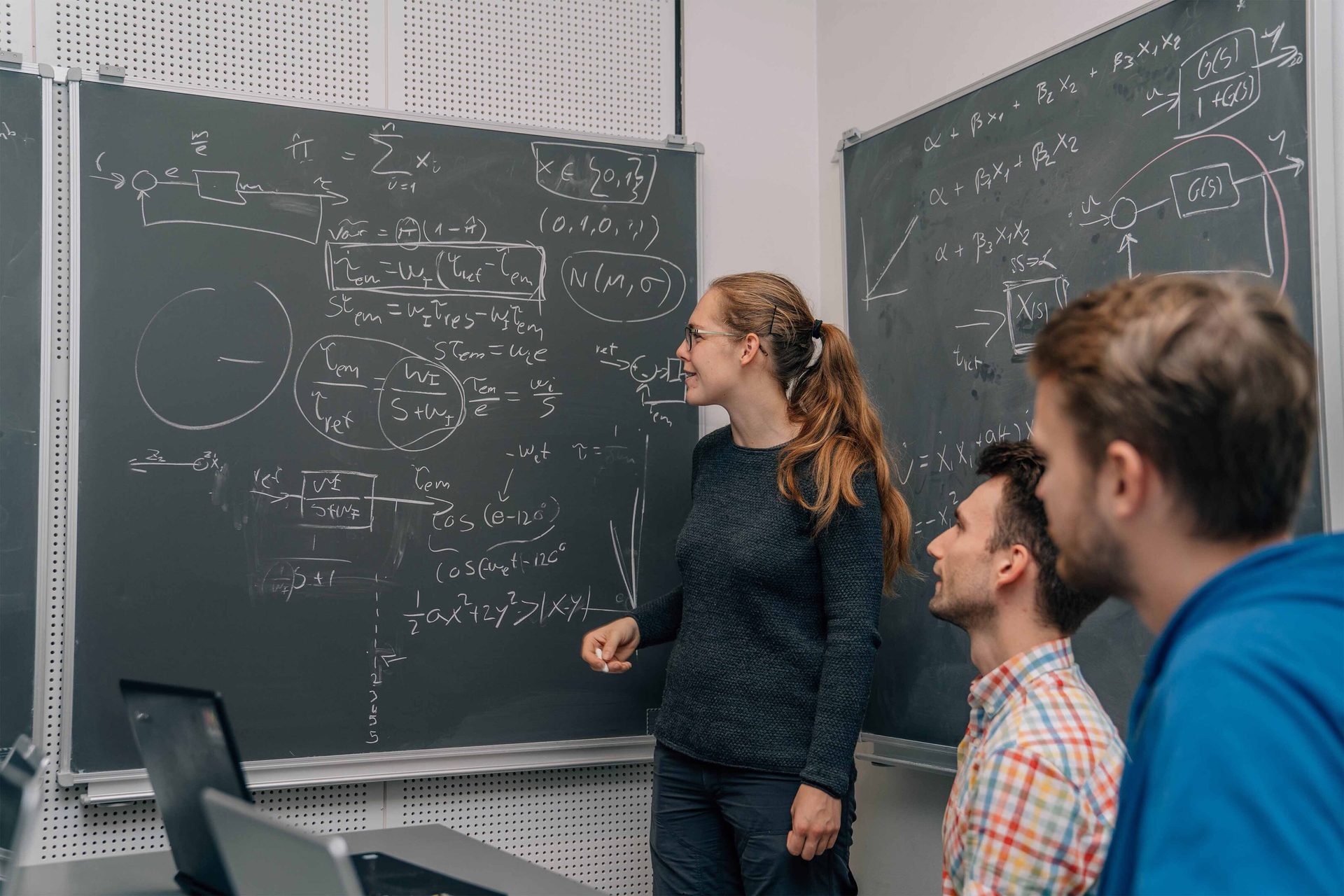
The image shown is not of the referenced student.
Carles Jiskoot Busquets enjoyed studying at Aalborg so much during an exchange programme that he chose to pursue a master’s at the same place.
“What I like most is that we are completely independent but, if needed, there’s always someone willing to help: from the study secretaries to the project supervisors,” he says. “There is also an incredibly close [relationship] between students and world-class scientists, and there is the possibility of extending this learning process by getting a work study [experience] at the university.”
Busquets finds the MSc well-rounded and designed for impact. “The problem-based approach provides hands-on experience on today and future’s challenges, as well as encouraging our curiosity to learn about what we are interested in,” he says.
Carles Jiskoot Busquets, Spain, 23
MSc in Energy Engineering – Electrical Power Systems and High Voltage Engineering
PROgramme
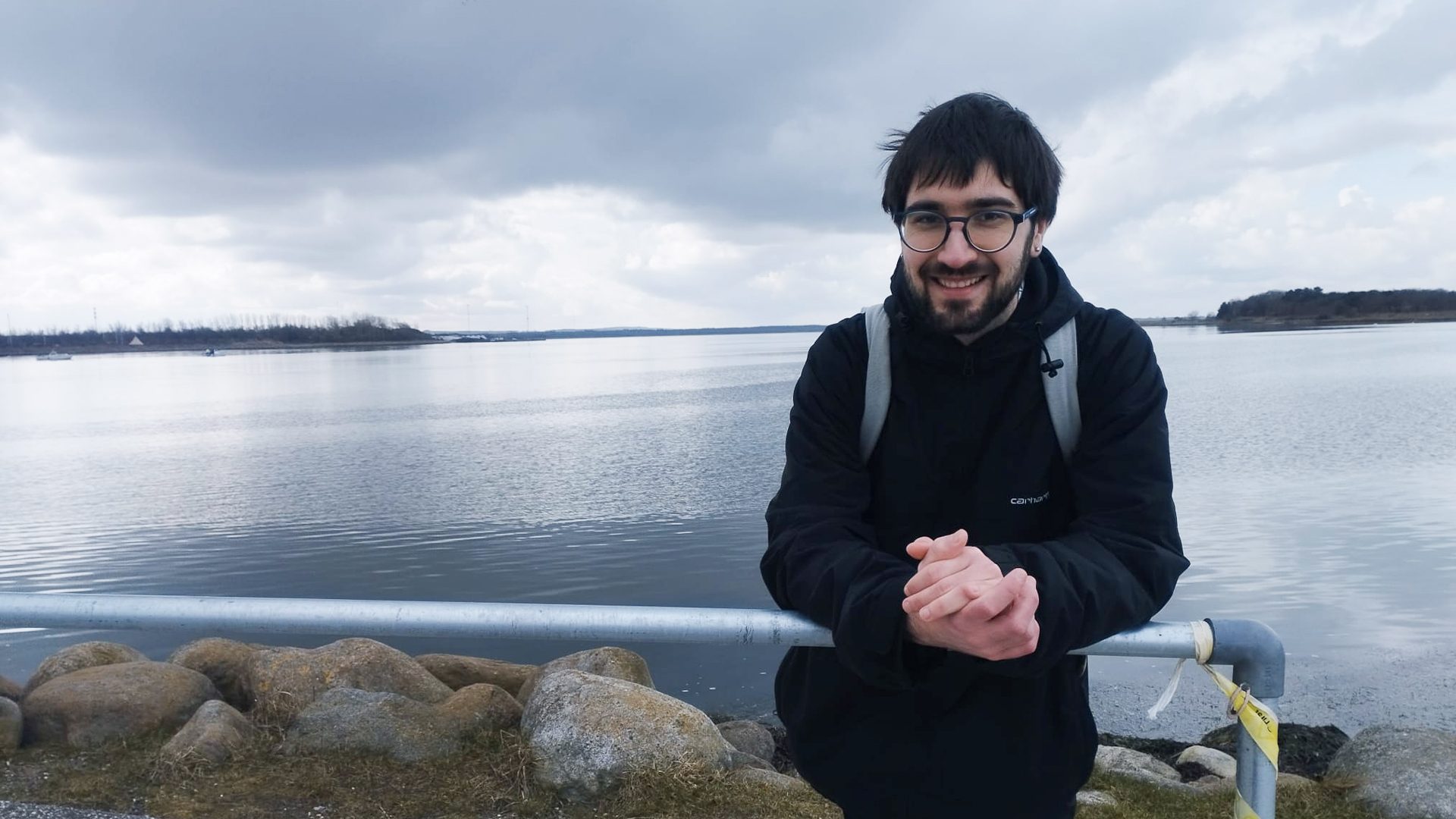
David Redondo Vinolo did not expect the MSc to be as customisable as it was. “You really can take it as far as your ambition allows,” he says. “What makes the experience even more valuable is how closely research in this faculty is connected with students, while collaborations with companies open even more doors for building a career.”
Coming from Spain, Vinolo had never felt like an outcast. Aalborg has a large international student community, and most teachers, staff, and students speak English.
“The university also hosted an international welcome week, which made it easy to meet many people right away,” he says. “The lectures are another strong point: the material is genuinely up to date and highly relevant, which is not something you find everywhere.”
David Redondo Vinolo, Spain, 24
MSc in Energy Engineering – Power Electronics and Drives
PROgramme
When choosing a bachelor’s programme in this field, Dawit Haileab Tadesse Seyoum sought one that would provide a deeper understanding of what is taught in the lecture halls. “AAU’s problem-based learning model has helped me apply what I learn by working on semester group projects that focus on real-world problems,” he says.
“I’ve had the opportunity to collaborate with supervisors who are experts in their fields, and, most importantly, fellow students who come from different parts of the world, which has helped me broaden my horizon and be more adaptable to other people’s way of thinking.”
Dawit Haileab Tadesse Seyoum, Spain, 21
Bachelor’s in Applied Industrial Electronics
PROgramme
It’s easy to feel alone when you first arrive as an international student, but not at AAU. “The Danish students were willing to integrate us in their Easter or Christmas Dinners,” says Maria Teresa Cano Varela. “Everything is taught in English and most of the professors are also international, so that helped as they can relate to our struggles not only as students but as foreigners tool.
Like its campus community, the MSc felt just as student-focused. “Professors in general are very humble, and their work is to guide you, but the student is the one who searches for information, validates it and is critical of it before applying it to their work,” she says. “After my previous job experience, I feel like this is the kind of education [prepares] you for real-world challenges.”
It’s easy to feel alone when you first arrive as an international student, but not at AAU. “The Danish students were willing to integrate us in their Easter or Christmas Dinners,” says Maria Teresa Cano Varela. “Everything is taught in English and most of the professors are also international, so that helped as they can relate to our struggles not only as students but as foreigners tool.
Like its campus community, the MSc felt just as student-focused. “Professors in general are very humble, and their work is to guide you, but the student is the one who searches for information, validates it and is critical of it before applying it to their work,” she says. “After my previous job experience, I feel like this is the kind of education [prepares] you for real-world challenges.”
Maria Teresa Cano Varela, Spain, 25
MSc in Energy Engineering – Thermal Energy and Process Engineering
PROgramme
The image shown is not of the referenced student.
Carles Jiskoot Busquets enjoyed studying at Aalborg so much during an exchange programme that he chose to pursue a master’s at the same place.
“What I like most is that we are completely independent but, if needed, there’s always someone willing to help: from the study secretaries to the project supervisors,” he says. “There is also an incredibly close [relationship] between students and world-class scientists, and there is the possibility of extending this learning process by getting a work study [experience] at the university.”
Busquets finds the MSc well-rounded and designed for impact. “The problem-based approach provides hands-on experience on today and future’s challenges, as well as encouraging our curiosity to learn about what we are interested in,” he says.
Carles Jiskoot Busquets, Spain 23,
MSc in Energy Engineering – Electrical Power Systems and High Voltage Engineering
PROgramme




Follow the Rhodes University on
Copyright © 2026 Study International, official representative of Aalborg University, Department of Energy